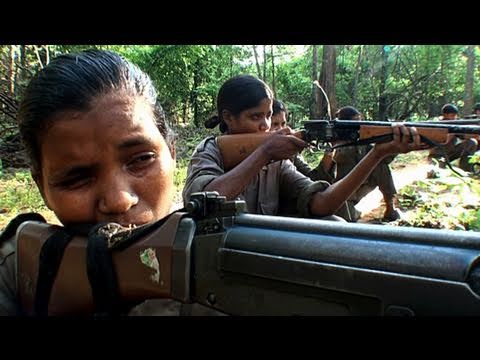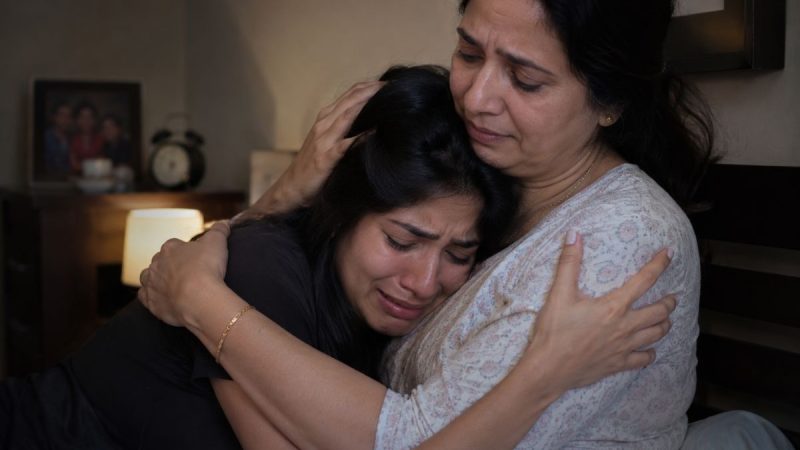
The Untold Story of Women and Maoism in India: Victims, Warriors, and Unseen Suffering
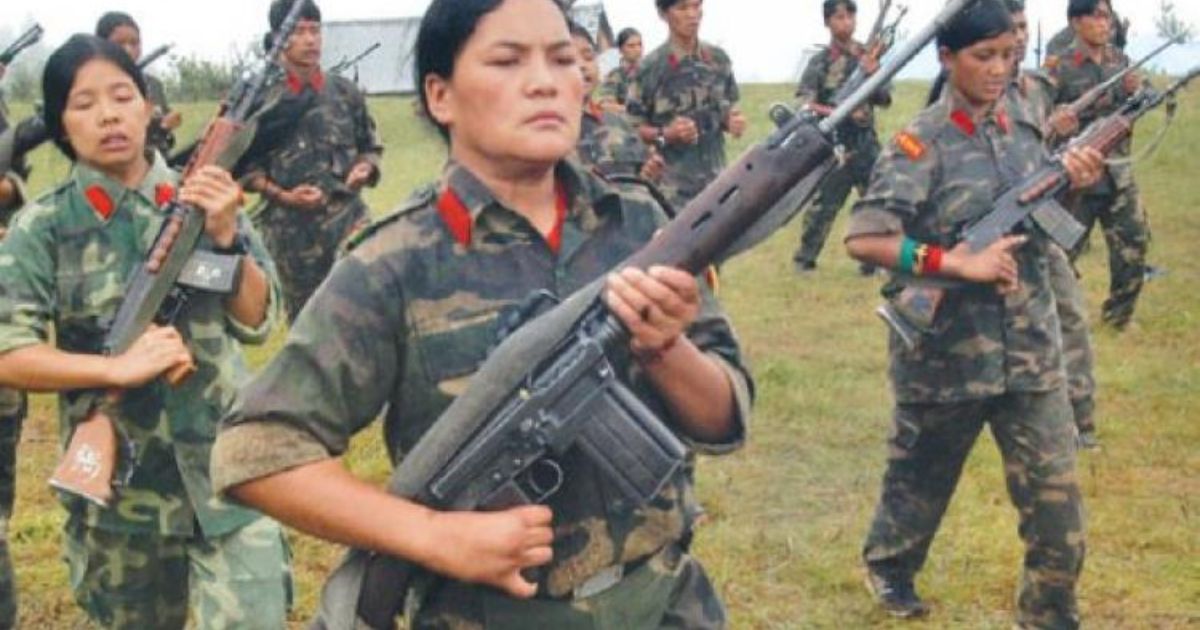
Maoism in India has left behind a trail of blood, broken homes, and shattered dreams. But beneath this grim reality lies another narrative that remains largely unheard—the story of women impacted by Maoism. From being victims of violence to becoming foot soldiers in the rebellion, the experience of women in India’s Maoist conflict is a complex, tragic, and often overlooked tale.
Table of Contents
Caught in the Crossfire: Women as Victims of Violence
Women in Maoist-affected areas are often caught between the security forces and Maoist rebels. They live in constant fear of violence, abduction, and sexual assault. According to a 2018 report by the National Crime Records Bureau (NCRB), around 2,800 women were reported missing from Maoist-affected regions in Chhattisgarh, Odisha, and Jharkhand. Many of them were forcibly recruited by Maoist cadres or trafficked.
Security forces have also been accused of committing atrocities against women in Maoist regions. A chilling case in 2015 revealed how tribal women in Bijapur, Chhattisgarh, were allegedly raped and sexually assaulted by police personnel during anti-Maoist operations. Human rights organizations have repeatedly highlighted that sexual violence is often weaponized in these conflict zones, leaving women doubly vulnerable.
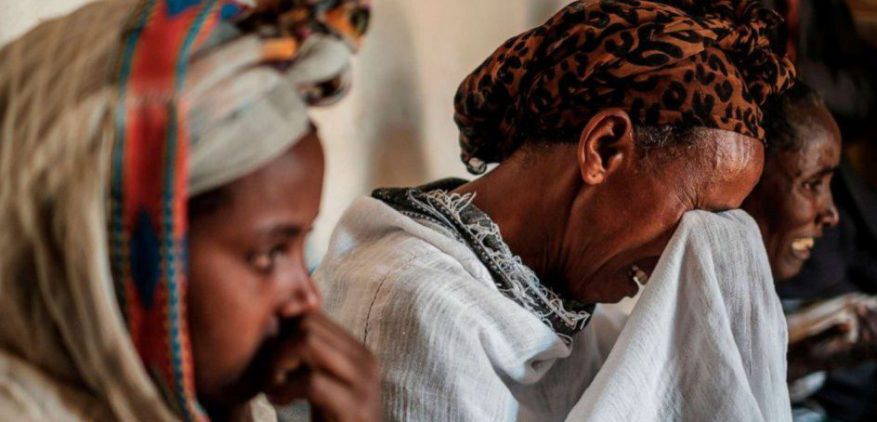
Read: Over 1400 women raped in Tigray
Forced Recruitment: Turning Women into Rebels
The Maoist movement, also known as the Naxalite insurgency, has a long history of recruiting women into its fold. The Communist Party of India (Maoist) encourages women to join its ranks by presenting the idea of gender equality and liberation from societal oppression. However, the reality is far from ideal.
Estimates suggest that 30-40% of Maoist cadres are women, with many serving as couriers, informants, and frontline fighters. A 2016 report by the Institute for Defence Studies and Analyses (IDSA) revealed that Maoists specifically target young tribal women for recruitment, exploiting their lack of education and poverty.
Yet, once inducted, these women face harsh treatment and gender-based discrimination within the movement. While they are trained in armed combat and guerrilla warfare, they often perform menial tasks and are subjected to violence by their male counterparts. Women who try to leave the ranks are frequently met with brutal punishments, including execution.
The Double Burden: Women Maoists as Fighters and Caregivers
Women in Maoist ranks not only fight on the frontlines but also take on the traditional roles of caregivers. They cook, clean, and look after wounded comrades, performing a double burden of labor that goes unnoticed. Interviews with former Maoist cadres reveal that women fighters often received fewer rations and were assigned physically exhausting duties, despite their equal participation in combat.
A 2018 interview with a former Maoist cadre named Meena (name changed) highlighted this grim reality. She recalled, “We were promised equality and respect, but inside the movement, we were treated as servants. Men commanded, and we obeyed.”
Read: Delhi Naxal Arrest: The Hidden Naxalite operative in Plain Sight
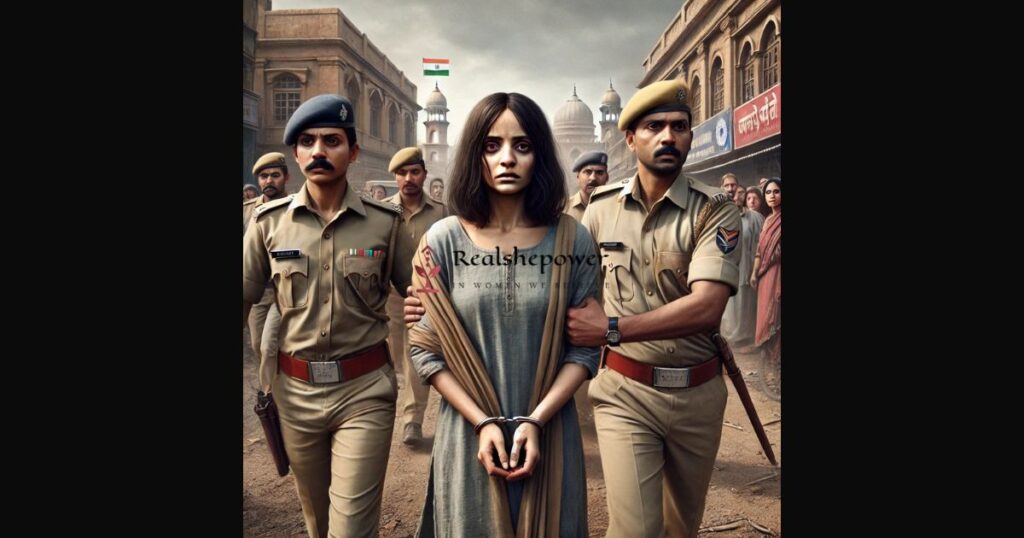
Exploitation and Abuse: A Hidden Reality
Sexual violence within Maoist ranks is a well-documented but rarely discussed issue. Former women cadres have revealed the prevalence of rape, forced marriages, and coerced sexual relationships within Maoist camps. Women fighters are often forced to marry senior leaders and are subjected to sexual abuse. Those who resist face execution or public humiliation.
A report by the Asian Centre for Human Rights (ACHR) documented over 100 cases of sexual violence against female Maoist cadres between 2010 and 2015. Many of these cases go unreported due to the fear of retaliation and lack of access to justice in these remote areas.
Women as Informants: Caught Between Two Worlds
In the battle between Maoists and security forces, many women become informants to escape violence or protect their families. Women in villages provide intelligence to security forces about Maoist activities, often putting their lives at immense risk. If caught, they are brutally punished by Maoists, leading to a vicious cycle of fear and violence.
In 2019, a 28-year-old woman from Dantewada, Chhattisgarh, was killed by Maoists after being accused of acting as a police informant. Her family was forced to flee the village after Maoists threatened them with death.
Women Who Left Maoism Behind: Stories of Redemption
Despite the horrific conditions they endured, some women have managed to leave the Maoist ranks and build new lives. Many of them have surrendered under the government’s rehabilitation policy aimed at reintegrating former Maoists into society. These women undergo vocational training and receive financial support to start afresh.
One such story is of Soni Sori, a tribal activist from Chhattisgarh who was falsely accused of being a Maoist and brutally tortured by the police. After her release, Sori dedicated her life to fighting for the rights of women in Maoist-affected areas, exposing the exploitation they endure on both sides of the conflict.
Government Response: Rehabilitation or Neglect?
The Indian government has launched several initiatives to rehabilitate surrendered Maoists, including financial aid, vocational training, and housing schemes. However, these programs often fall short in addressing the unique needs of women ex-Maoists. Many women who leave the movement face social ostracization, lack of family support, and trauma.
Experts have argued that gender-sensitive rehabilitation policies are necessary to address the complex realities faced by women leaving the Maoist fold. Without a supportive environment, these women remain vulnerable to exploitation and re-recruitment.
The Silent Suffering Continues
The untold story of women and Maoism in India is one of exploitation, violence, and shattered dreams. While some women fight on the frontlines believing they are contributing to a revolution, many remain trapped in cycles of abuse and exploitation. As India battles the remnants of Maoist insurgency, the voices of these women need to be heard, their pain acknowledged, and their stories brought to light.
FAQs
1. What percentage of Maoist cadres are women?
Approximately 30-40% of Maoist cadres are women, serving in various roles from fighters to informants.
2. Are women in Maoist ranks treated equally?
Despite promises of gender equality, women in Maoist ranks often face discrimination, violence, and exploitation.
3. What happens to women who try to leave the Maoist movement?
Women who attempt to leave the Maoist ranks risk facing harsh punishments, including execution or public humiliation.
4. Are surrendered Maoist women given proper rehabilitation?
Government rehabilitation programs exist, but they often fail to address the specific needs of women leaving the Maoist fold.
This is a harsh and often untold narrative of women impacted by Maoism in India. Their stories deserve to be told, not as mere footnotes in history but as a stark reminder of the unseen suffering they endure.
Maoism in India Exposed Shocking Truths About the Deadly Insurgency Still Ravaging the Nation