Pakistan Declares ‘Open War’ on Afghanistan: Airstrikes Hit Kabul Amid Escalating Border Clashes and Retaliatory Strikes
Open War
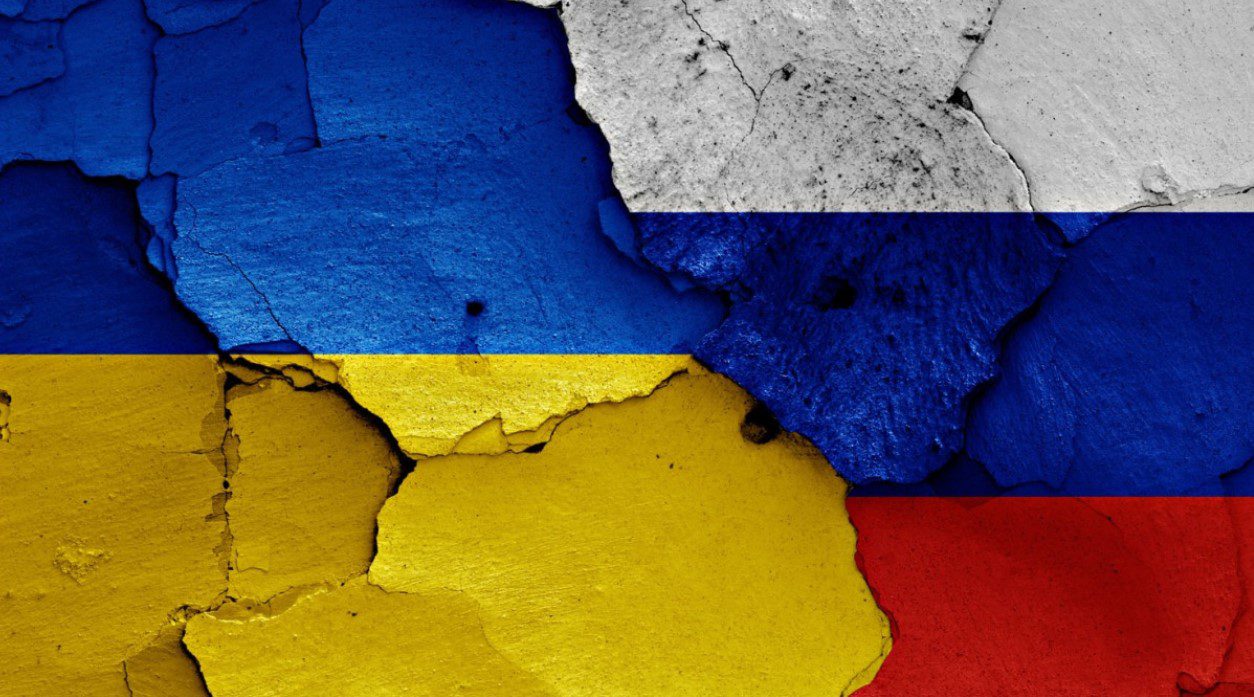
The Pakistan-Afghanistan border clashes have escalated dramatically in recent days, marking one of the most serious military confrontations between the two neighbors since the Taliban regained control of Kabul in 2021. What began as recurring skirmishes and airstrikes targeting militant hideouts has spiraled into direct retaliatory strikes deep inside each other’s territory, including Pakistani airstrikes on Afghan cities like Kabul.
Background and Trigger
Tensions stem from long-standing issues along the disputed Durand Line (the 2,600 km border), which Afghanistan has never fully recognized. Pakistan accuses the Taliban government of providing safe havens to the Tehrik-e-Taliban Pakistan (TTP), a militant group responsible for numerous attacks inside Pakistan. The Taliban denies these claims and views Pakistani border fencing and strikes as violations of sovereignty.The latest flare-up intensified in mid-February 2026:
- Pakistan conducted airstrikes on February 21–22 targeting alleged TTP and ISIS-K camps in Afghan provinces like Nangarhar, Paktika, and Khost, claiming to have hit militant infrastructure in response to recent terrorist incidents.
- Afghanistan reported civilian casualties from those strikes and vowed retaliation.
MUST READ
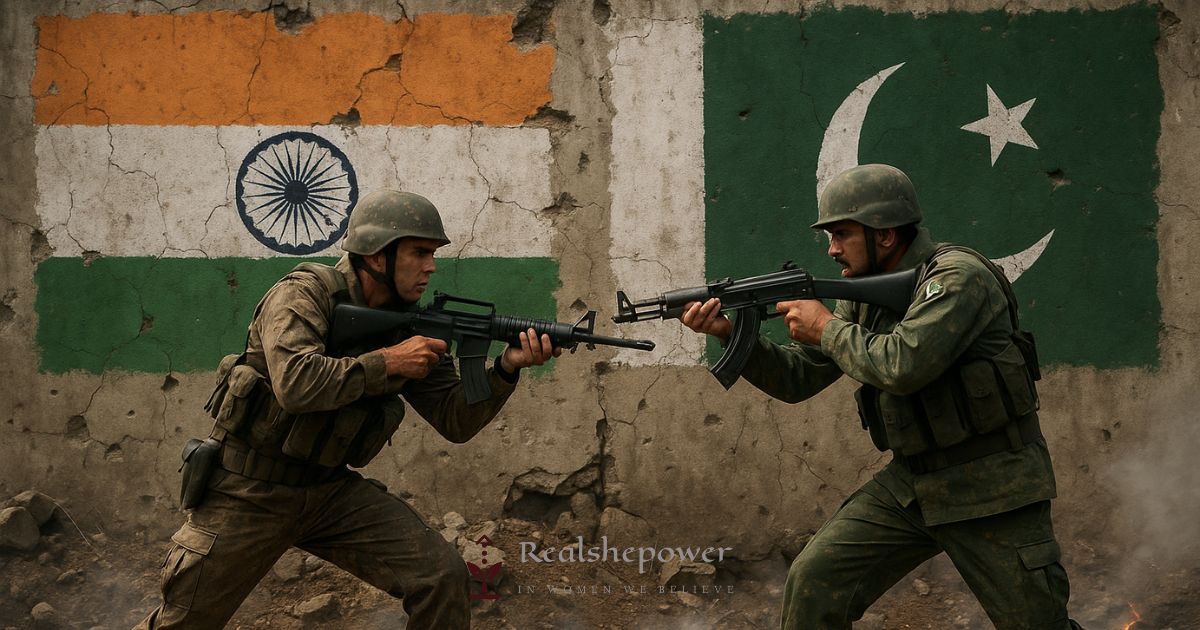
India-Pakistan Conflicts: From Kargil to Uri – A Detailed Timeline
A powerful breakdown of major India-Pakistan conflicts, military responses, and the strategic shifts that shaped South Asian geopolitics.
Recent Escalation (February 26–27, 2026)
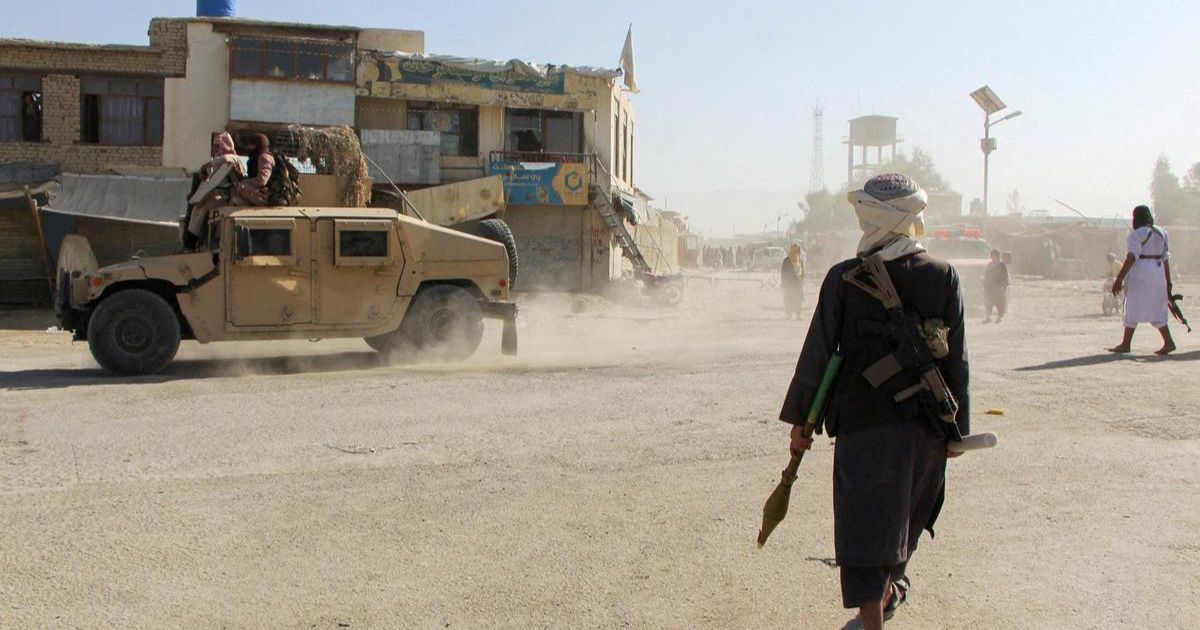
- On the night of February 26, Afghan forces (under Taliban command) launched what they described as a “large-scale offensive operation” against Pakistani military positions along the border. Taliban spokespeople claimed their troops captured over a dozen (up to 19) Pakistani army posts, killed around 55 Pakistani soldiers, and took some bodies and prisoners into Afghanistan.
- Pakistan described the Afghan actions as “unprovoked aggression” and responded swiftly with airstrikes and ground counter-operations overnight into February 27.
- Pakistani forces struck targets in multiple Afghan provinces, including the capital Kabul (multiple sites hit around 1:50 AM local time), Kandahar, Paktia/Paktika, and others. Explosions were reported in Kabul, with jets overhead and smoke plumes visible in some areas.
- Pakistan launched Operation Ghazab lil-Haq (or similar named ops), claiming to have killed 133 Taliban fighters, injured hundreds, and destroyed militant posts and facilities. Pakistani officials, including Defence Minister Khawaja Asif and Information Minister Attaullah Tarar, declared an “open war” or “all-out confrontation,” stating Pakistan’s “patience has run out” and vowing decisive action.
- Afghanistan’s Taliban spokesperson Zabihullah Mujahid condemned the strikes as “cowardly” and said retaliation was underway, though they reported no immediate casualties from the Kabul hits in some statements (conflicting reports exist).
MUST READ
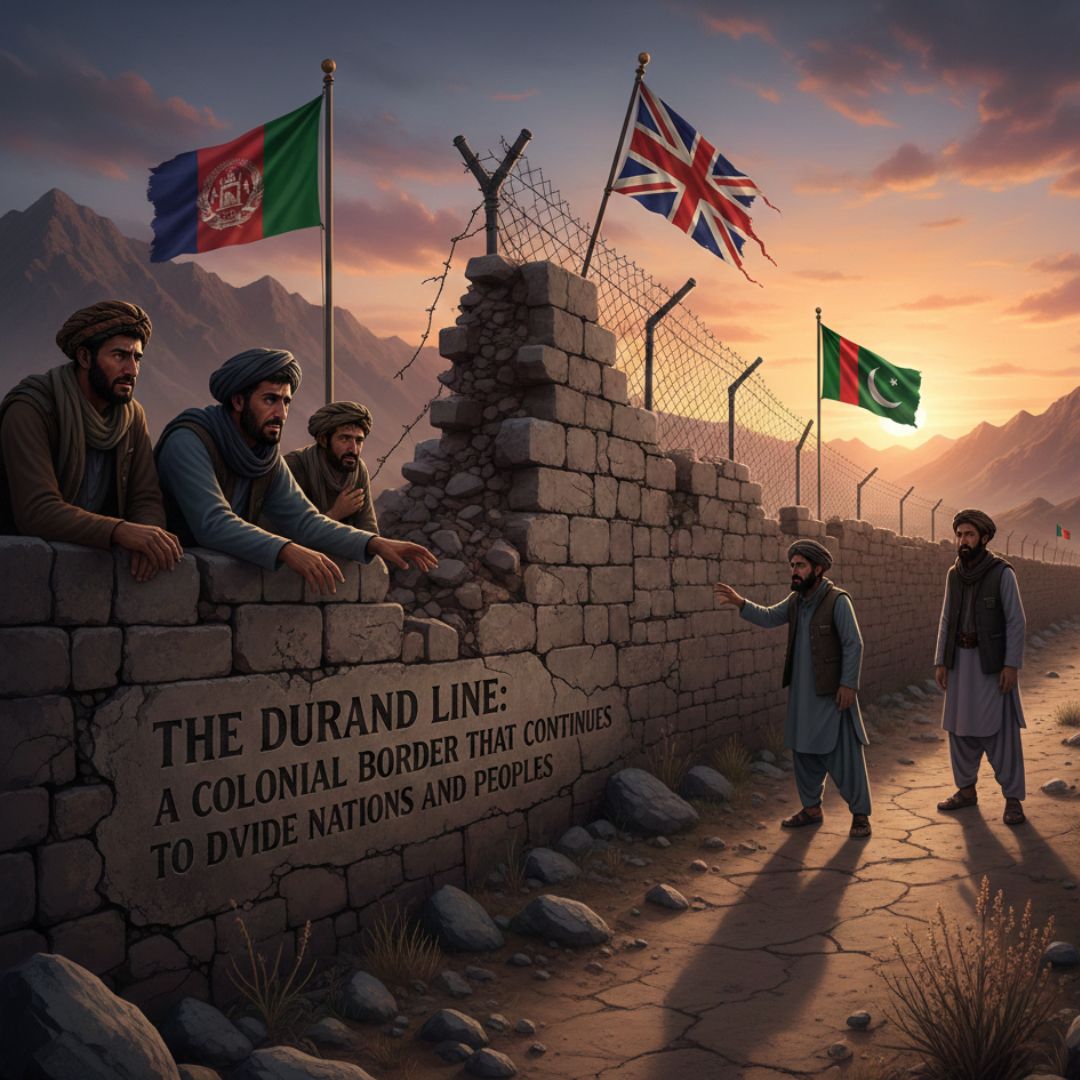
History of the Durand Line – A Colonial Border Explained
Explore the origin, geopolitical significance, and lasting impact of the Durand Line — the border that reshaped South Asian history.
Casualty and Damage Claims (Highly Conflicting)
Both sides issue vastly different figures, typical in such fog-of-war situations:
- Pakistan’s claims — Heavy Taliban/militant losses (133+ killed), destruction of bases; minimal Pakistani casualties in initial clashes.
- Afghanistan’s claims — Dozens of Pakistani soldiers killed/captured in border ops; civilian impacts from Pakistani strikes; some reports of downed Pakistani aircraft (unverified).
- Independent verification is limited, but explosions and clashes affected border regions and urban areas like Kabul, raising risks to civilians.
Broader Context and Implications
This escalation threatens a fragile Qatar-mediated ceasefire from late 2025 and follows failed diplomatic efforts (via Turkey, Qatar, and others). Domestic pressures play a role: Pakistan faces intense TTP violence at home, while the Taliban seeks to assert sovereignty amid internal challenges.
The fighting remains concentrated along the border and in targeted strikes rather than a full invasion, but rhetoric about “open war” and deep strikes (e.g., near Kabul) heightens fears of wider conflict. Regional powers like China (with investments in both), Saudi Arabia, and the UAE may push for de-escalation to protect trade corridors and stability.
As of February 27, 2026, hostilities continue with exchanges of fire and strikes. The situation is fluid, peace talks or third-party mediation could still pull it back, but the risk of miscalculation remains high.