Annual 61-Day Fishing Ban Begins Along India’s East Coast: Impact, Rules, and Relief Measures
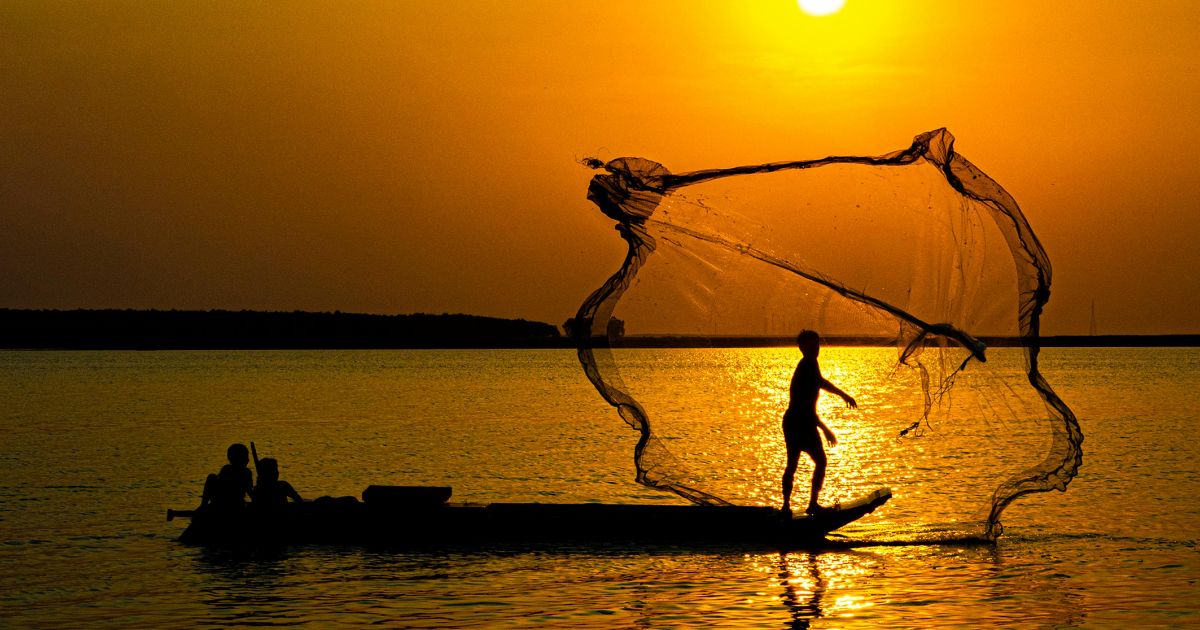
As of midnight on April 15, 2026, the silence of the sea has replaced the hum of engines across India’s eastern seaboard. The annual 61-day uniform fishing ban has officially come into force, extending from the northern tip of West Bengal down to the southern shores of Tamil Nadu and the Andaman & Nicobar Islands. This seasonal moratorium, which will remain in effect until June 14, 2026, is a critical environmental mandate designed to protect marine life during its peak breeding season.
By prohibiting mechanized trawlers from venturing into the Exclusive Economic Zone (EEZ), the government aims to allow fish populations to spawn and regenerate without the pressure of industrial-scale harvesting. While biologically necessary, the ban presents a significant socio-economic challenge for the millions of people whose livelihoods depend on the ocean.
Scope and Enforcement of the 2026 Ban
The restriction is strictly enforced by the Department of Fisheries in coordination with the Indian Coast Guard and State Marine Police. The ban specifically targets mechanized fishing vessels and motorized trawlers, which use large-scale nets that can disrupt the seabed and capture juvenile fish.
- Geographic Reach: The ban covers the territorial waters of Tamil Nadu, Andhra Pradesh, Odisha, West Bengal, Puducherry, and the Andaman & Nicobar Islands.
- Permitted Activities: Traditional, non-motorized crafts and small country boats (catamarans) are generally exempt from the ban. These fishers are allowed to operate within a few nautical miles of the shore, as their methods are considered “ecosystem-friendly” and essential for local food security.
- Penalties: Unauthorized entry of mechanized boats into the sea during this period attracts heavy fines and the potential seizure of the vessel under the Marine Fishing Regulation Act.
The Economic Impact on the Fishing Community
The two-month hiatus creates an immediate “dry period” for over 12,000 mechanized boats in regions like Rameswaram and Visakhapatnam alone. For the families of these fishers, the ban is a period of forced unemployment combined with high maintenance costs.
- Vessel Maintenance: Boat owners utilize this time for “dry docking”—essential repairs, engine overhauling, and painting. This can cost anywhere between ₹2 lakh to ₹5 lakh per vessel, adding financial strain when there is zero revenue.
- Market Prices: Consumers can expect a sharp spike in seafood prices. In major hubs like Chennai and Vizag, market arrivals are projected to drop by nearly 75%, often leading to price increases of 50% to 80% for popular varieties like pomfret, prawns, and seer fish.
- Alternative Livelihoods: Some fishers migrate to the West Coast (where the ban doesn’t start until June 1) to find temporary work, while others pivot to small-scale inland aquaculture.
Government Safety Net and Relief Schemes
To mitigate the hardship, the Government of India provides financial assistance under the Pradhan Mantri Matsya Sampada Yojana (PMMSY).
- Livelihood Support: Eligible socio-economically backward fishers receive a “lean period allowance.” In Tamil Nadu, for instance, the assistance has been set at ₹8,000 per family, with recent political promises suggesting a hike to ₹12,000.
- Savings-Linked Relief: A contributory scheme allows fishers to save a small portion of their earnings during the active season, which is then matched by the government and disbursed during the ban.
- Insurance: The government also provides group accidental insurance coverage for active fishers, ensuring a safety net for those who continue traditional near-shore operations.
Conservation Status: Why 61 Days?
The choice of the 61-day window is backed by research from the ICAR-Central Marine Fisheries Research Institute (CMFRI). Their data shows that approximately 91% of major fish stocks in Indian waters are currently sustainable, a health rating largely attributed to these seasonal bans.
Marine biologists argue that without this “breathing room,” the Bay of Bengal would face severe overfishing, leading to the collapse of high-value species like the Indian Mackerel and Oil Sardine. The ban ensures that the “next generation” of fish reaches maturity, ultimately leading to higher catch volumes when the season reopens in June.
Quick Facts: East Coast Fishing Ban 2026
| Feature | Details |
| Start Date | April 15, 2026 (Midnight) |
| End Date | June 14, 2026 |
| Total Duration | 61 Days |
| Primary Goal | Protection of Fish Spawning/Breeding |
| Affected Regions | TN, AP, Odisha, WB, Puducherry, A&N |
| Exemptions | Non-motorized country boats/catamarans |
| Relief Amount | ₹8,000 – ₹12,000 (State dependent) |
The 2026 fishing ban is a delicate balancing act between ecological preservation and economic survival. While the “empty nets” of April and May cause short-term pain for the fishing community and higher bills for seafood lovers, the long-term sustainability of India’s blue economy depends on these 61 days of silence. As surveillance drones and patrol boats monitor the coast, the focus remains on ensuring that the ocean remains a bountiful resource for generations to come.
➤ Up Next: The Passing of Legend Asha Bhosle