Digital India Steps into the Future: 1.4 Billion People to be Counted in Landmark 2026 Census
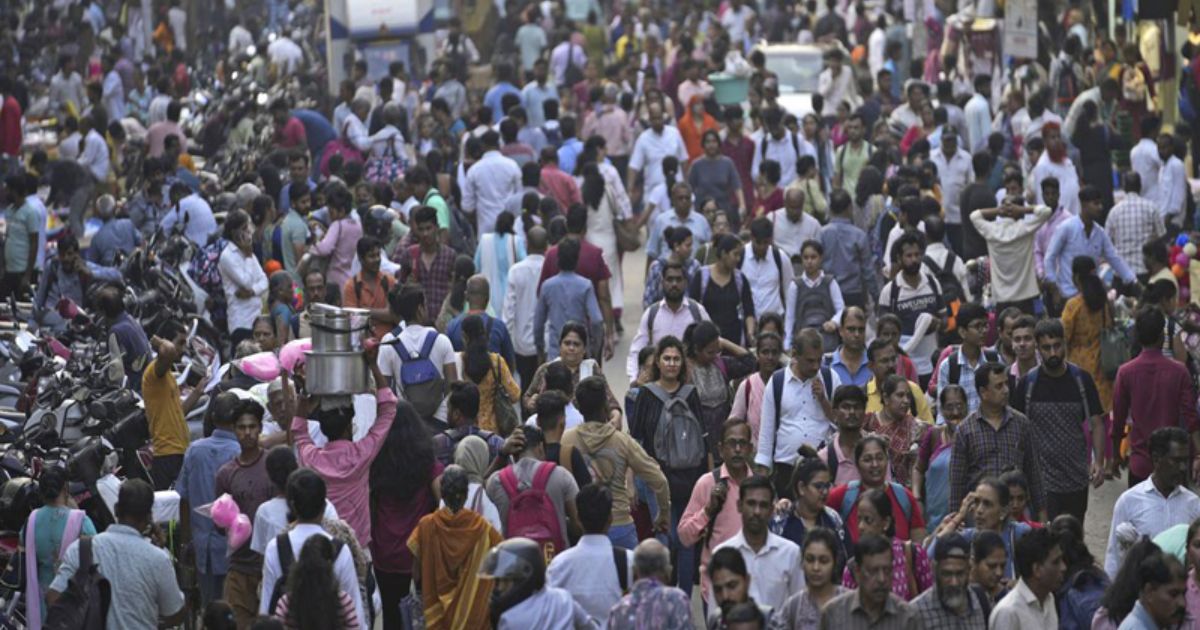
NEW DELHI – In what is being described as the largest administrative exercise in human history, India has officially launched its first-ever fully digital census. After a sixteen-year hiatus since the 2011 count, the 2026 Census (formally designated as Census 2027) began its first phase today, April 17, marking a paradigm shift in how the nation tracks its 1.4 billion citizens.
This morning, over 3 million officials—the majority of whom are primary and secondary school teachers—began the massive undertaking of “House Listing and Housing Operations” (HLO). Unlike previous decades, which relied on millions of physical registers and manual entries, every enumerator is now equipped with a government-issued mobile app capable of real-time data synchronization.
The Self-Enumeration Revolution
A highlight of today’s rollout is the Self-Enumeration (SE) portal, which officially went live for several key states this week. In a major push for “at-home” participation, residents in states like Bihar saw their 15-day online window open today, April 17. Meanwhile, citizens in Haryana, Chandigarh, Madhya Pradesh, Andhra Pradesh, Arunachal Pradesh, and Chhattisgarh began their self-enumeration yesterday.
“This is about putting the power in the hands of the citizen,” said a senior official from the Office of the Registrar General. “By logging into se.census.gov.in, residents can bypass the need for lengthy door-to-door interviews. They simply fill in their household details, receive a unique 11-digit SE ID, and present that code to the enumerator when they visit. It’s faster, more private, and significantly more accurate.”
The portal, available in 16 languages, has already seen over 1.2 million households participate in the first 24 hours of its opening for the initial eight states, which include Karnataka, Odisha, and parts of Delhi.
33 Questions: Assessing the Standard of Living
While Phase 2 (scheduled for February 2027) will focus on individual demographics and the highly anticipated caste enumeration, Phase 1 is focused strictly on infrastructure and amenities. Enumerators are asking a set of 33 notified questions designed to map India’s current standard of living. Key data points being collected include:
- Housing Quality: Materials used for roofs and walls, and the overall condition of the dwelling.
- Modern Amenities: Access to LPG/PNG for cooking, the primary source of drinking water, and the availability of toilets within the premises.
- Digital Footprint: Ownership of smartphones, laptops, and internet connectivity.
- Economic Indicators: Ownership of vehicles (bicycles vs. cars) and even the “main cereal consumed” in the household to track dietary patterns.
Economic Headwinds: The Soybean Crisis
Despite the domestic focus on the Census, India’s economic gears are feeling the friction of global instability. As the Census officials knock on doors, trade analysts are sounding the alarm over a “logistical nightmare” in the soybean sector.
The ongoing blockade and military tensions in the Strait of Hormuz have effectively bottlenecked India’s soybean meal exports. With shipping lanes through the Persian Gulf paralyzed, Indian exporters are facing massive “washouts”—contract cancellations—as insurance premiums for vessels entering the region have skyrocketed. Major ports like Jebel Ali remain unreachable for standard cargo, forcing Indian traders to seek alternative markets or face a mounting glut of supply that could crash domestic prices.
As India counts its people, the government is simultaneously navigating these global trade waters, proving that in 2026, a national milestone is never truly isolated from the tremors of the world. For the next 30 days, the focus remains on the doorstep, as the digital app records the evolving face of a nation.