“Slow Travel” and Offbeat Enclaves: The New Face of Indian Tourism
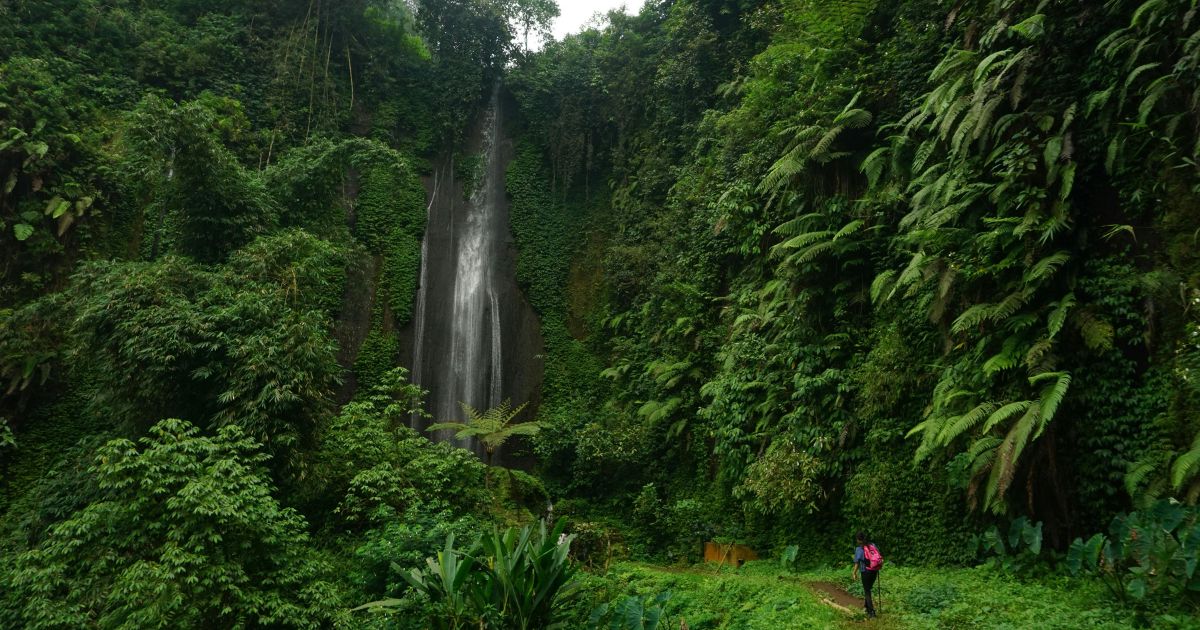
SHIMLA / MUNNAR — As the mercury climbs across the plains this April, a definitive shift is occurring in how Indians vacation. The era of “ticking off” ten sightseeing spots in two days is being replaced by “Slow Living” escapes—a movement characterized by extended stays, deep cultural immersion, and a deliberate avoidance of “over-tourism” hotspots.
While traditional magnets like Manali and Ooty grapple with traffic snarls and crowded malls, discerning travelers are pivoting toward high-altitude enclaves where the itinerary is often as simple as a long walk and a local meal.
The Rise of the “Mountain Workation”
The “work-from-anywhere” culture of 2026 has found its home in offbeat valleys. Destinations like the Sangla Valley in Himachal Pradesh and the secluded upper reaches of Munnar in Kerala have reported a 40% year-on-year surge in long-term “workation” bookings.
- Infrastructure Meets Nature: High-speed satellite internet and solar-powered heritage homestays have made it possible for professionals to trade glass office walls for views of the Kinner Kailash range or the Anayirangal Dam.
- Privacy First: Unlike the sprawling resorts of the past, today’s travelers are opting for independent cottages and boutique “glamping” sites that prioritize acoustic and visual privacy.
Culinary Pilgrimages and “Soul Food” Maps
The most significant driver of this trend is a renewed obsession with regional culinary heritage. Travelers are no longer satisfied with standard “multicuisine” hotel menus; they are seeking out “soul food” maps—curated guides that lead them to authentic, hyper-local flavors.
- Bhoe-Jha and Beyond: In the northern belts, there is a viral interest in traditional mountain beverages like Bhoe-Jha (a rich, salt-butter tea) and fermented buckwheat breads.
- Breakfast Traditions: In the South, travelers are exploring the “Puttu and Kadala” traditions of the high-range plantations, often participating in the harvest and preparation of the ingredients themselves.
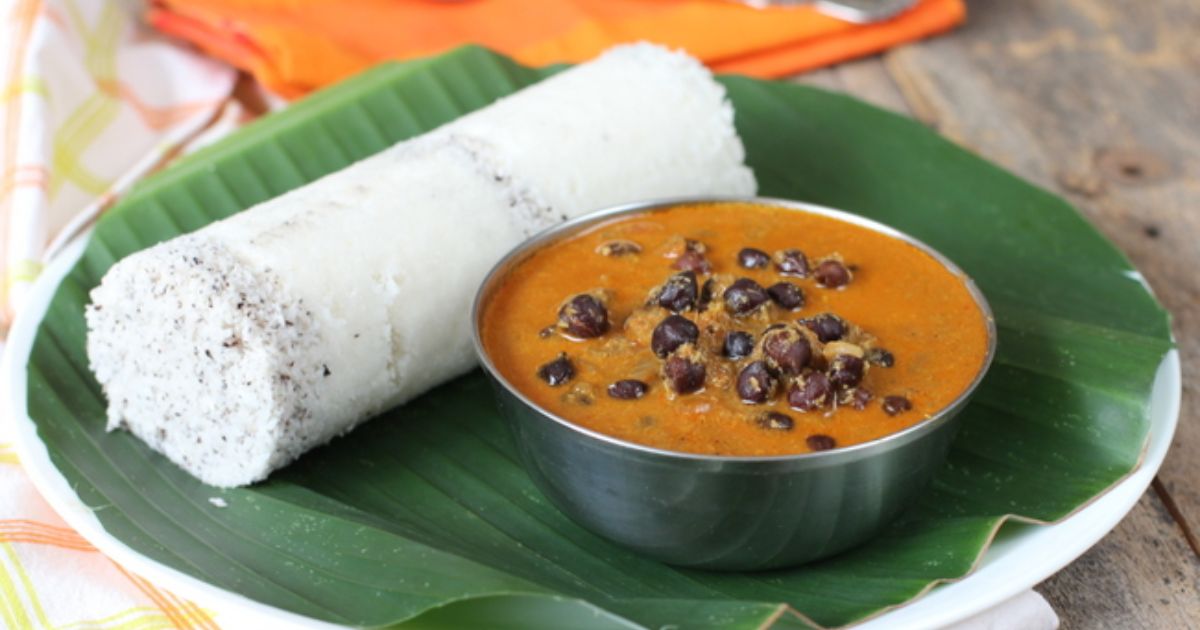
From farm-fresh produce to authentic Kerala flavors, discover why Kanthalloor is becoming a hidden paradise for food lovers and slow travel enthusiasts.
The Social Economy: Women-Led and Eco-Centric
Reshaping the hospitality landscape are women-led boutique stays and community-focused eco-cafes. These establishments have seen record occupancy this season by offering something larger hotels often lack: a sense of community and safety.
- Safe Spaces: Many of these stays cater specifically to solo women travelers and small family groups, offering curated workshops in local weaving, pottery, or organic farming.
- Eco-Conscious Travel: From zero-waste kitchens to plastic-free guest policies, these “slow” enclaves are setting the standard for sustainable tourism in fragile ecosystems.
Expert Perspective
“We are seeing a ‘quality over quantity’ mindset,” says Meera Iyer, a travel trend analyst. “People would rather spend a week in a single village in Sangla, learning the history of a local temple and drinking traditional tea, than spend that same week driving between five different crowded hill stations. It’s about mental decompression, not just a change of scenery.”
As the summer of 2026 progresses, this “Slow Travel” movement is proving to be more than just a passing trend—it is a sustainable evolution of the Indian travel industry, ensuring that the country’s hidden gems are preserved even as they are discovered.