
Digital Silence in the Himalayas: Kedarnath Enforces Strict Mobile Ban
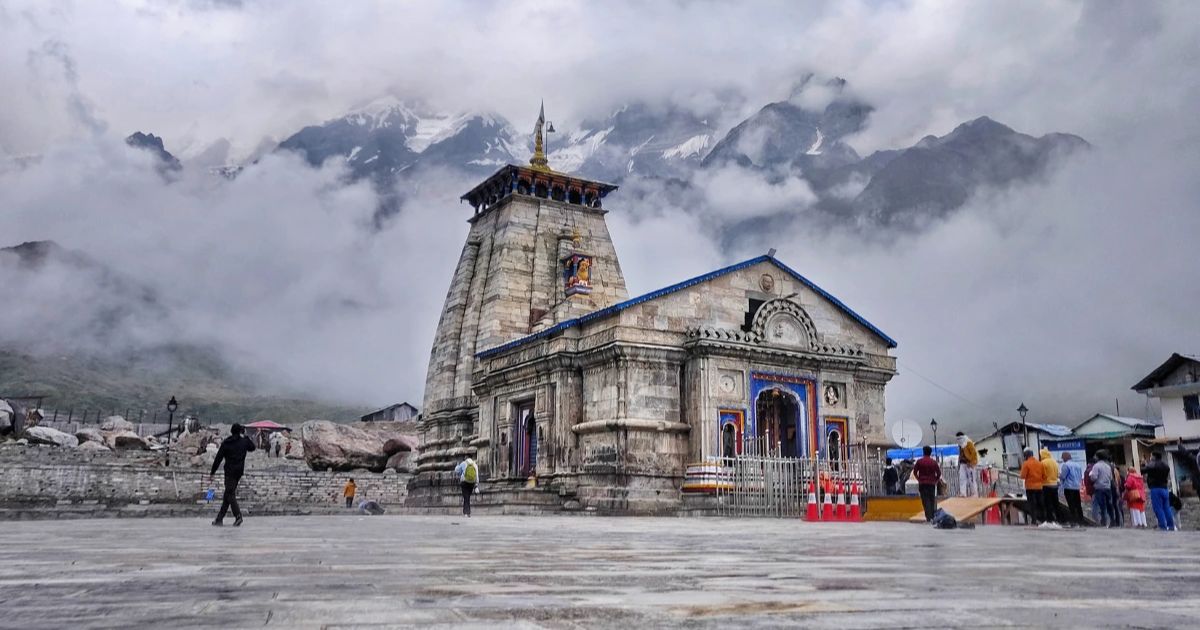
RUDRAPRAYAG / KEDARNATH — As of today, April 21, 2026, the Badrinath-Kedarnath Temple Committee (BKTC) has officially enforced a zero-tolerance ban on mobile phones within the Kedarnath Temple premises. The move comes just 24 hours before the ceremonial opening of the temple portals, scheduled for 8:00 AM tomorrow, April 22.
The restriction is part of a broader “Sanctity Initiative” aimed at curbing the rising trend of social media reels and photography that have recently disrupted the spiritual decorum of the Himalayan shrine.
The New Rules: What Pilgrims Need to Know
Temple committee member Vineet Posti confirmed the following strict guidelines:
- Total Prohibition: Carrying mobile phones inside the temple is strictly forbidden. This includes recording videos, clicking photos, or making social media reels.
- Legal Action: Any devotee found violating these rules will face prosecution under relevant legal provisions for disrupting religious decorum.
- Storage Facilities: To assist pilgrims, the administration has set up secure mobile deposit counters at the entry points near the shrine.
- Vigilance: Security personnel and temple volunteers have been instructed to monitor compliance across the entire temple complex.
Preparation for the “Kapat” Opening
The ban arrives as the temple is being decked with over 5,100 kg of flowers sourced from across India and abroad. The Panchmukhi Doli (the ceremonial palanquin) of Lord Shiva is scheduled to reach Gaurikund this evening before making the final ascent to the Dham for tomorrow’s opening.
Context: A Global Trend in Sacred Spaces
The BKTC’s decision follows similar measures taken at other high-footfall religious sites in India, such as the Badrinath Temple (where phones are banned 100 meters before the Singhdwar) and several temples in South India. Officials noted that “disputes triggered by people making vlogs” were a primary reason for the shift, as crowding around photography spots often caused safety risks in the high-altitude terrain.