The Emergency: When Indira Gandhi Turned India Into a Prison
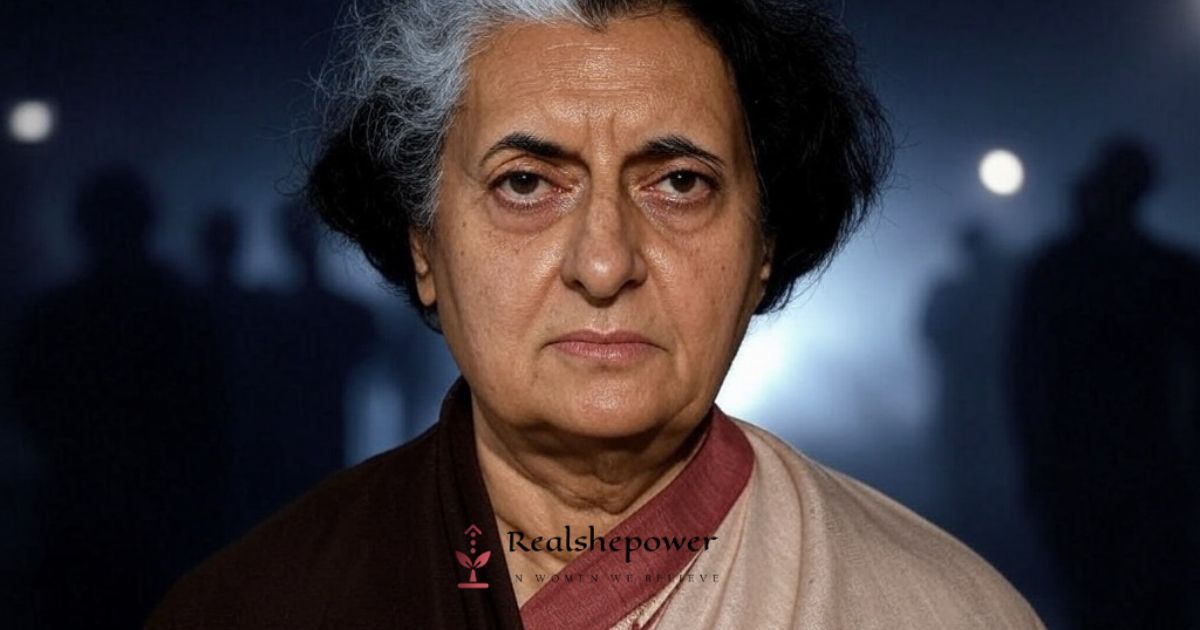
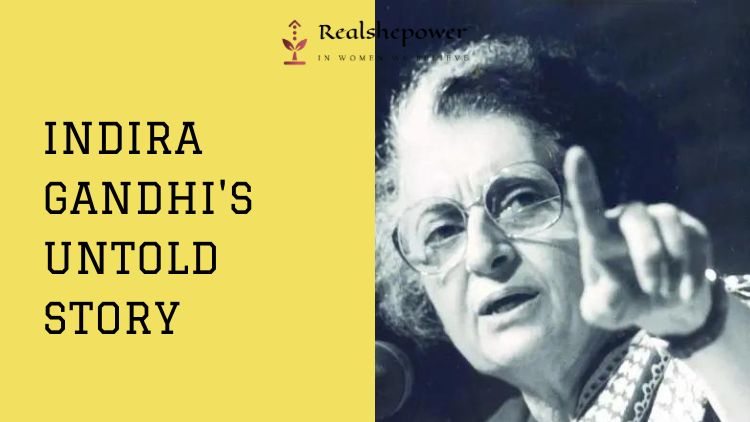
There are few moments in history that define the very essence of a nation. For India, the Emergency (June 25, 1975 – March 21, 1977) was that moment—a brutal reality check that exposed the fragility of its democracy. It was a time when power-drunk leadership strangled civil liberties, the press was muzzled, and the Constitution was used as a doormat for political convenience. The 21 months of Emergency declared by Prime Minister Indira Gandhi was nothing short of a dictatorship masquerading as governance.
Table of Contents
The Context: A Desperate Power Grab
Indira Gandhi was cornered. The 1971 general elections had given her a massive mandate, but by 1975, the political climate was turning against her. The economy was in shambles—an aftershock of the 1971 Indo-Pak war, global oil crisis, and skyrocketing inflation (over 26% in 1974). Joblessness was rising, labor strikes were intensifying, and opposition voices were growing louder.
But the final blow came on June 12, 1975, when the Allahabad High Court found Indira Gandhi guilty of electoral malpractice and declared her election to the Lok Sabha null and void. The ruling should have been a death knell for her political career. Instead, she responded like every insecure autocrat in history—by grabbing more power. On June 25, 1975, she convinced President Fakhruddin Ali Ahmed to declare a national Emergency under Article 352 of the Constitution, citing “internal disturbance.” What followed was a full-blown authoritarian nightmare.
The Suppression of Democracy
With the stroke of a pen, India ceased to be a democracy. Overnight, civil liberties vanished. Dissent became illegal. The press was shackled—legendary journalist Kuldip Nayar was arrested, The Indian Express ran blank editorials as a sign of protest, and newspapers were forced to submit articles for pre-censorship.
Over 100,000 people were jailed under the draconian Maintenance of Internal Security Act (MISA) without trial. Opposition leaders like Jayaprakash Narayan, Atal Bihari Vajpayee, and LK Advani were thrown behind bars. Anyone who dared to question the government was silenced, beaten, or worse. Students, activists, and intellectuals were hunted down, their voices choked under the iron fist of state power.
The Horror of Forced Sterilization
If there was one act that defined the horrors of the Emergency, it was Sanjay Gandhi’s forced sterilization drive. The Prime Minister’s son—an unelected, power-hungry bully—decided that India’s biggest problem was its growing population. His solution? A mass sterilization campaign that defied all ethics and human rights.
Between April 1976 and January 1977, over 8.3 million men were forcibly sterilized in a government-sponsored campaign that operated like a war machine. Police and bureaucrats threatened villagers with jail, confiscated ration cards, and even rounded up people from railway stations to meet sterilization quotas. Many died due to botched procedures, and countless families were shattered. It was state-sponsored bodily violation on an unimaginable scale.
The Judiciary: A Spineless Accomplice
The Supreme Court, the last line of defense for civil liberties, crumbled like a house of cards. In the infamous ADM Jabalpur v. Shiv Kant Shukla (1976) case, the court ruled that citizens had no right to life or liberty during the Emergency. Justice HR Khanna was the lone dissenter, and his career was destroyed for daring to stand up to the government. This was the ultimate betrayal—the judiciary, instead of protecting democracy, became its executioner.
Also Read: Kashmir Issue Explained In Simple Words
The Fall of Indira Gandhi’s Dictatorship
What brought down this dark era? Not an uprising, not a coup, but Indira Gandhi’s own miscalculation. Convinced that she still had the people’s support, she lifted the Emergency and called for elections in March 1977. The result was catastrophic for her—her party was obliterated. The Janata Party, a coalition of opposition forces, came to power, and India finally breathed the air of democracy again.
The Unforgivable Legacy of the Emergency
The Emergency was not just an aberration; it was a warning. It showed that democracy is fragile and that power, when unchecked, corrupts absolutely. Indira Gandhi may have lost the election, but the scars of her tyranny remain. The very Constitution she twisted for her advantage remains vulnerable to future abuses. Even today, elements of that authoritarian impulse linger in Indian politics—be it media control, arbitrary arrests, or the suppression of dissent.
The Emergency is not just a chapter in history. It is a mirror—one that reminds us that democracy, unless fiercely protected, can disappear overnight. It happened once. It can happen again.
Don’t Miss: 10 Lesser Known Facts about Indira Gandhi