The Electric Mandate: Decoding India’s ₹3,954-Crore “Hard Pivot” to EVs
India’s journey toward a carbon-neutral future has reached a defining inflection point. In a strategic redirection of industrial policy, the Government of India has launched the PM Electric Drive Revolution in Innovative Vehicle Enhancement (PM E-DRIVE) scheme. While the total outlay of ₹10,900 crore signals a massive commitment, the heartbeat of this transition lies in its ₹3,954-crore allocation specifically earmarked for demand incentives. This is not merely a budgetary increase; it is a “hard pivot” that redefines which segments will lead India’s electric charge.
From FAME to Focus: The Structural Shift
The transition from the previous FAME II (Faster Adoption and Manufacturing of Electric Vehicles) framework to PM E-DRIVE represents a move from broad market activation to surgical system-wide consolidation. Unlike its predecessor, which offered general support across most categories, the new mandate prioritizes the “mass-movers” of Indian roads.
The ₹3,954-crore demand incentive fund is strategically concentrated on electric two-wheelers (e-2Ws) and electric three-wheelers (e-3Ws). By narrowing the focus, the government aims to saturate the most price-sensitive segments of the market, where electrification provides the highest immediate impact on air quality and fuel import reduction. Notably, private electric four-wheelers have been excluded from these specific subsidies, signaling a clear policy stance: the “Electric Mandate” is first for the masses and the commercial backbone of the country.
The Breakdown of the ₹3,954-Crore Incentive
The allocation is designed to support approximately 28.47 lakh electric vehicles. The distribution reflects a calculated approach to urban mobility:
- Two-Wheelers: The lion’s share of the volume is directed here to convert the millions of daily commuters.
- Three-Wheelers: Significant support for e-rickshaws and L5 category vehicles ensures that last-mile connectivity becomes inherently green.
- New Frontiers: For the first time, the mandate includes dedicated pillars for e-ambulances (₹500 crore) and e-trucks (₹500 crore), addressing heavy-duty and emergency services that were previously overlooked.
Solving the Infrastructure Paradox
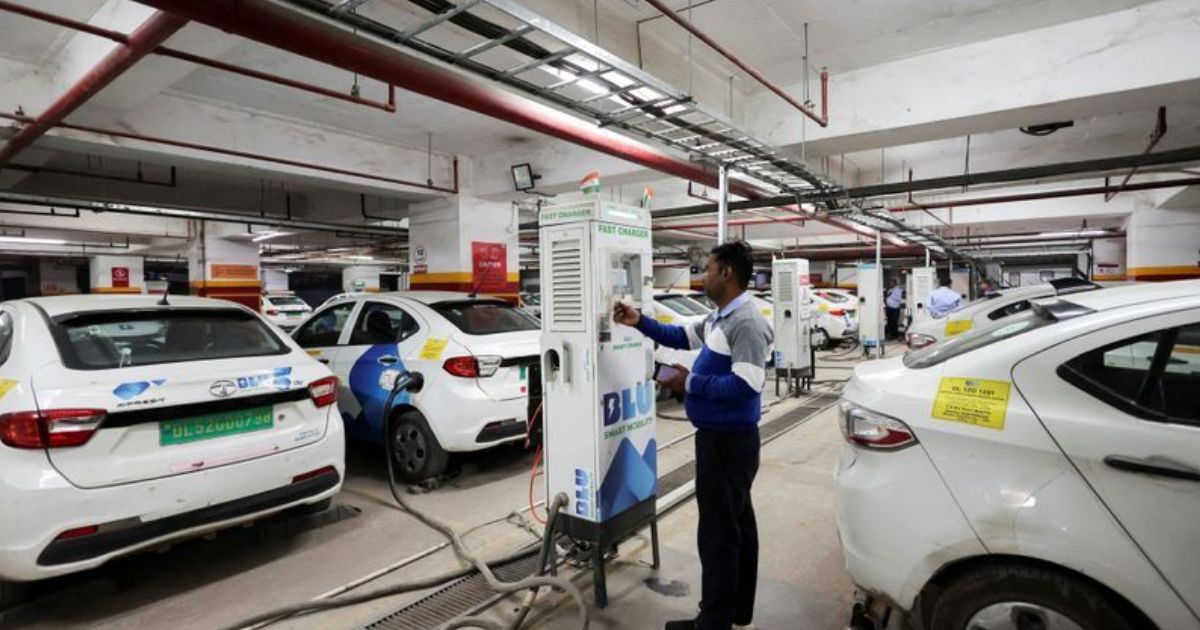
A pivot to EVs is only as strong as its charging network. Recognizing that “range anxiety” remains the primary barrier to adoption, the scheme allocates ₹2,000 crore for public charging infrastructure. The goal is ambitious: installing 72,300 public chargers across the country. This includes 22,100 fast chargers for e-4Ws and 48,400 for e-2Ws/3Ws. By focusing on high-traffic corridors and cities with populations over one million, the mandate seeks to create a “safety net” for EV owners, ensuring that charging is as accessible as a petrol pump.
Technology and Transparency: The E-Voucher Revolution
One of the most innovative aspects of this ₹3,954-crore pivot is the introduction of Aadhaar-authenticated e-vouchers. Under the old system, OEMs (Original Equipment Manufacturers) faced delays in subsidy reimbursements. The new system generates a digital voucher at the point of sale, which the buyer signs and the dealer uploads to the PM E-DRIVE portal. This tech-driven approach ensures that the financial benefits reach the consumer instantly while providing the government with real-time data to prevent the misuse of funds.
The Road Ahead: 2026 and Beyond
The PM E-DRIVE scheme is currently set to run until March 31, 2026. This tight two-year window creates a sense of urgency for both manufacturers and consumers. For the Indian automotive industry—which contributes over 7% to the national GDP—the message is clear: the future is electric, and the government is willing to bankroll the transition for those who adapt.
By focusing on public transport, commercial fleets, and mass-market vehicles, India’s ₹3,954-crore hard pivot isn’t just about selling cars; it’s about rewiring the nation’s DNA for a sustainable, self-reliant era of mobility. The mandate has been set; the wheels are now in motion.