Tech Pulse: The “Anti-AI” Attack and the Rise of the Silicon Workforce
The global tech landscape is currently grappling with a sharp paradox: while corporations race toward an autonomous future, a rising wave of social friction is manifesting in extreme violence. This week, the tech world was rocked by a chilling update in the investigation into an assassination attempt on OpenAI CEO Sam Altman.
On April 13, 2026, the FBI conducted a high-stakes raid on a residence in Spring, Texas, belonging to 20-year-old Daniel Moreno-Gama. The suspect was arrested in San Francisco after allegedly throwing a Molotov cocktail at Altman’s Russian Hill home and attempting to storm the OpenAI headquarters with incendiary devices. Federal prosecutors revealed that Moreno-Gama possessed a manifesto titled “Your Last Warning,” which contained a “hit list” of prominent AI CEOs and investors, signaling a radicalized escalation in the “anti-AI” movement.
The “Agentic Reality” Shift
While the legal battle unfolds in San Francisco, the industry is digesting the Deloitte Tech Trends 2026 report, which declares that 2026 is the year of “Agentic Reality.” Unlike the chatbots of 2024, the new era is defined by AI Agents—autonomous systems that move beyond answering questions to executing complex goals.
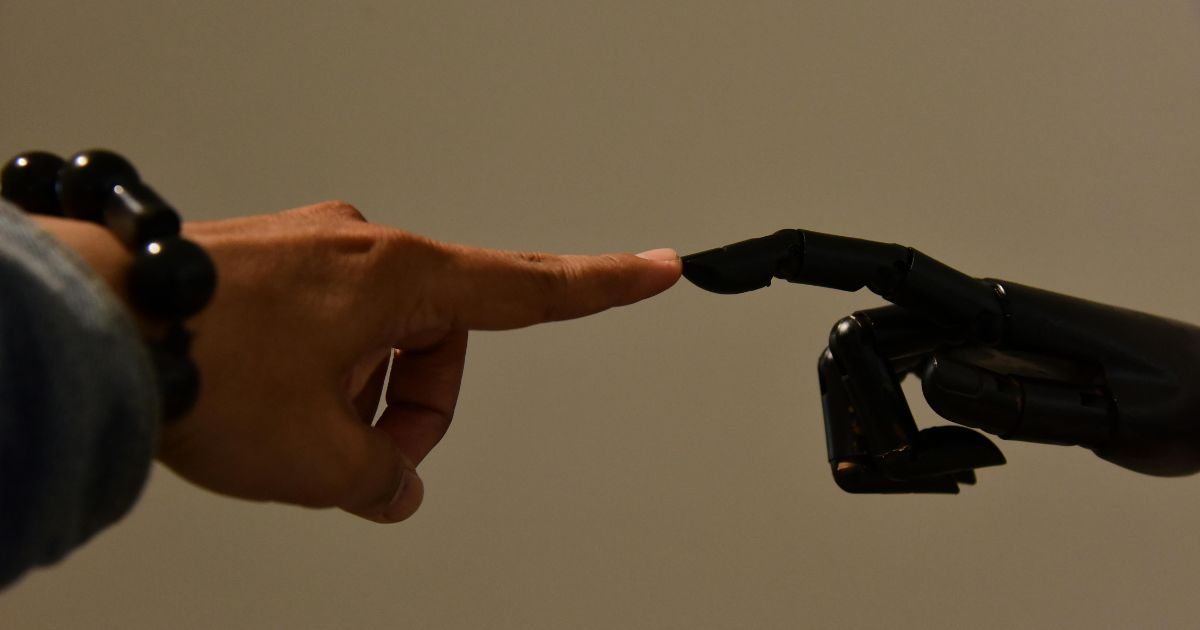
- Silicon-based Workforce: Deloitte researchers argue that enterprises are no longer just “using AI”; they are managing a digital labor force. These agents are now handling 24/7 operations in supply chains, legal auditing, and customer service.
- Redesign over Automation: The report warns that 40% of agentic projects will fail by 2027 if companies simply “pave the cow path” by automating old processes. Success in 2026 requires a “human-digital” redesign where humans move from execution to orchestration.
- Intent-Based Computing: We have officially transitioned from instruction-based computing (writing code) to intent-based computing (stating a desired outcome and letting agents determine the path).
Socio-Economic Friction and Security
The Moreno-Gama case has highlighted the “dilemma of displacement.” As Gartner predicts that 15% of all daily work decisions are now made autonomously, the social contract between labor and technology is fraying.
- Anti-AI Extremism: FBI Director Kash Patel noted that the Moreno-Gama incident is being treated as a potential act of domestic terrorism aimed at coercing technological policy through fear.
- Cyber Defense: Ironically, the Deloitte report notes that AI agents are the primary tool being used to defend against these rising threats, automating alert triages and threat hunting to protect the very infrastructure that extremists are targeting.
- The Upskilling Crisis: With the “half-life” of professional tech skills shrinking to just two years, the pressure on the “carbon-based” workforce to adapt has never been higher, contributing to the current climate of anxiety.
Tech Landscape Summary: April 2026
| Metric | Status / Trend |
| Primary Threat | Targeted violence against Tech Leaders (Altman Case) |
| Emerging Tech | Agentic AI (Silicon-based Workforce) |
| Economic Shift | From “Instruction-based” to “Intent-based” Computing |
| Market Stats | 52% of GenAI leaders have agents in production |
| Key Term | “Agentic Reality Gap” (Bridging pilot projects to scale) |
2026 is the year the “AI Revolution” got real—and messy. The transition to an Agentic Reality offers unprecedented efficiency, yet it is shadowed by the radicalized fallout of those who feel left behind by the “silicon-based workforce.” As federal agencies secure the physical safety of innovation leaders, the tech industry must now solve an even harder problem: how to bridge the “reality gap” without losing the human trust that sustains the entire ecosystem.