US H-1B Visa Pause: Impact of the $200,000 Salary Requirement
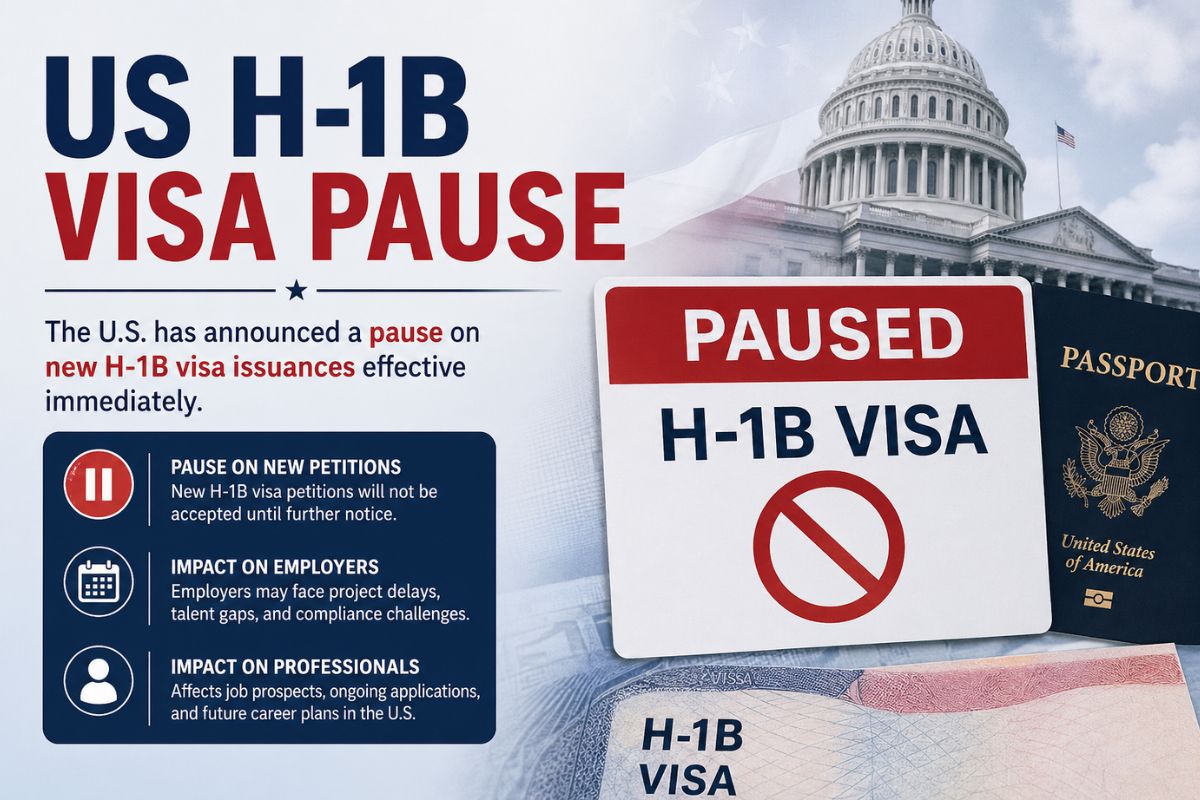
This legislative proposal has sent shockwaves through the global technology industry, as it targets the primary pipeline for high-skilled labor in the United States. If passed, the bill would represent the most significant overhaul of the H-1B visa program since its inception in 1990.
Key Provisions of the Proposal
The bill introduced by administration aides focuses on two aggressive levers to restrict foreign labor:
- The Three-Year Moratorium: A total pause on the issuance of new H-1B visas for 36 months. This is designed to “reset” the domestic labor market, with proponents arguing it will force companies to prioritize American graduates and displaced workers.
- The $200,000 Wage Floor: Currently, H-1B salary requirements are based on “prevailing wages” which vary by region and role, often starting around $60,000 to $80,000. Raising this to a flat $200,000 would effectively eliminate the visa for all but the most senior executives and specialized researchers, making entry-level or mid-tier international talent economically unfeasible for most firms.
Impact on the Tech Sector
The Silicon Valley reaction has been swift, with industry leaders warning of a “brain drain” to hubs like Vancouver, London, and Bangalore.
- Talent Shortages: Large tech firms rely on the H-1B for specialized roles in Artificial Intelligence (AI), cybersecurity, and semiconductor design—fields where the domestic talent supply currently does not meet demand.
- Increased Operating Costs: Small-to-medium enterprises (SMEs) and startups would be hit hardest. While a company like Google might be able to afford a $200,000 salary for a niche engineer, a fledgling startup cannot, potentially stifling innovation.
- Global Outsourcing Acceleration: Analysts predict that if talent cannot come to the US, the work will go to the talent. This could lead to a massive expansion of “offshore” development centers as companies seek to maintain their R&D velocity outside of US jurisdiction.
Political and Economic Context
The move is a cornerstone of the “Hire American” platform, aimed at protecting domestic wages. Proponents argue that the H-1B system has been abused by outsourcing firms to undercut local salaries. However, critics point to economic data suggesting that H-1B holders actually complement the American workforce and drive the creation of indirect jobs.
Next Steps and Outlook
The bill still faces significant hurdles:
- Legislative Pushback: Even within the President’s own party, there is division between those favoring protectionism and those representing tech-heavy districts.
- Legal Challenges: Major tech coalitions are already preparing lawsuits, arguing that such a drastic shift exceeds executive authority and violates existing labor statutes.