Mumbai Restaurants Must Now Disclose Fake Paneer and Cheese
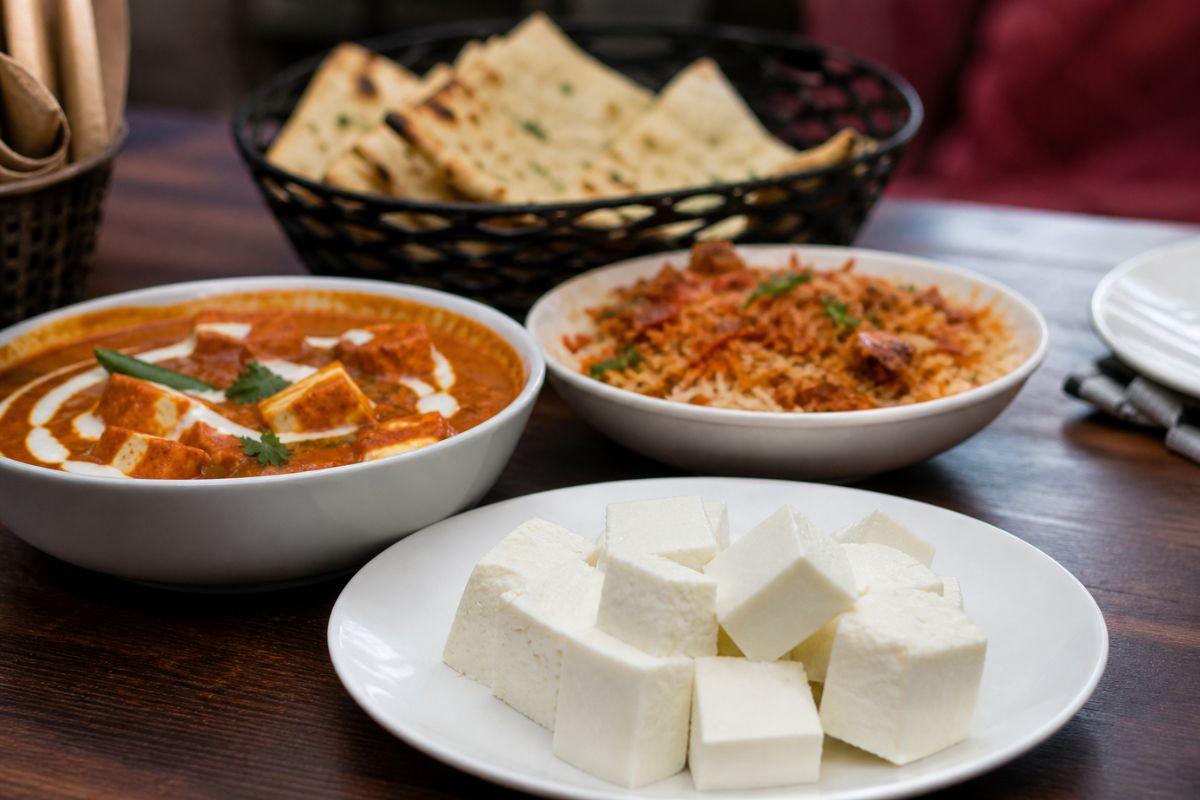
| Quick Summary: Effective May 1, 2026, the Maharashtra FDA has made it mandatory for all food service establishments to disclose the use of cheese and paneer analogues (made from vegetable fats and oils). The rule requires clear labeling on menus, display boards, and invoices to prevent consumers from being misled by cheaper substitutes. While the analogues are safe to consume, the focus is on transparency and preventing the misrepresentation of non-dairy products as pure dairy. |
Mumbai’s food scene is currently buzzing with a new regulatory “flavor” that has nothing to do with spices and everything with transparency. As of May 1, 2026, the Maharashtra Food and Drug Administration (FDA) has enforced a strict mandate requiring all restaurants, hotels, and street vendors to explicitly disclose whether they are using genuine dairy or vegetable-fat analogues popularly known as “fake” paneer or cheese.
Breaking Now: You’re in the right place. RealShePower is your news genie granting your wish for the latest trending stories before they even hit the mainstream.
Why the Crackdown?
The order stems from growing consumer complaints regarding “analogue” products. These substitutes, often made from palm oil, starch, and emulsifiers rather than milk, are significantly cheaper for establishments but offer a different nutritional profile.
The FDA’s directive is clear: while these analogues are not necessarily “unsafe” or “harmful,” passing them off as pure dairy is a grave violation of consumer rights. Under Section 18(2)(e) of the Food Safety and Standards Act, customers have the right to know exactly what is on their plate so they can make informed dietary and financial choices.
The New Rules for Eateries
The mandate isn’t just a suggestion; it’s a full-scale transparency overhaul. Establishments must now:
- Update Menus: Clearly label items as “Cheese Analogue” or “Dairy Analogue” if they aren’t using 100% milk-based products.
- Visible Display: Prominent boards must inform diners of the difference between paneer and its vegetable-fat counterparts.
- Billing Transparency: Even the final invoice must reflect the use of substitutes to avoid any post-meal ambiguity.
Major industry bodies like the Hotel and Restaurant Association (Western India) and have already pledged full compliance, conducting seminars to help chefs and procurement teams distinguish between genuine blocks and their rubbery, oil-based lookalikes.
The Foodie Verdict
For Mumbai’s discerning foodies, the move is a welcome win. Many have long suspected that the “rubbery” texture of certain street-side paneer tikkas or the “oily” sheen on budget pizzas was the result of these analogues. While the low cost of analogues helps keep prices down for fast-food lovers, the consensus is that honesty is the best ingredient. Whether you prefer the creamy melt of real Malai Paneer or don’t mind the cost-effective analogue, you’ll no longer be left guessing in the dark.