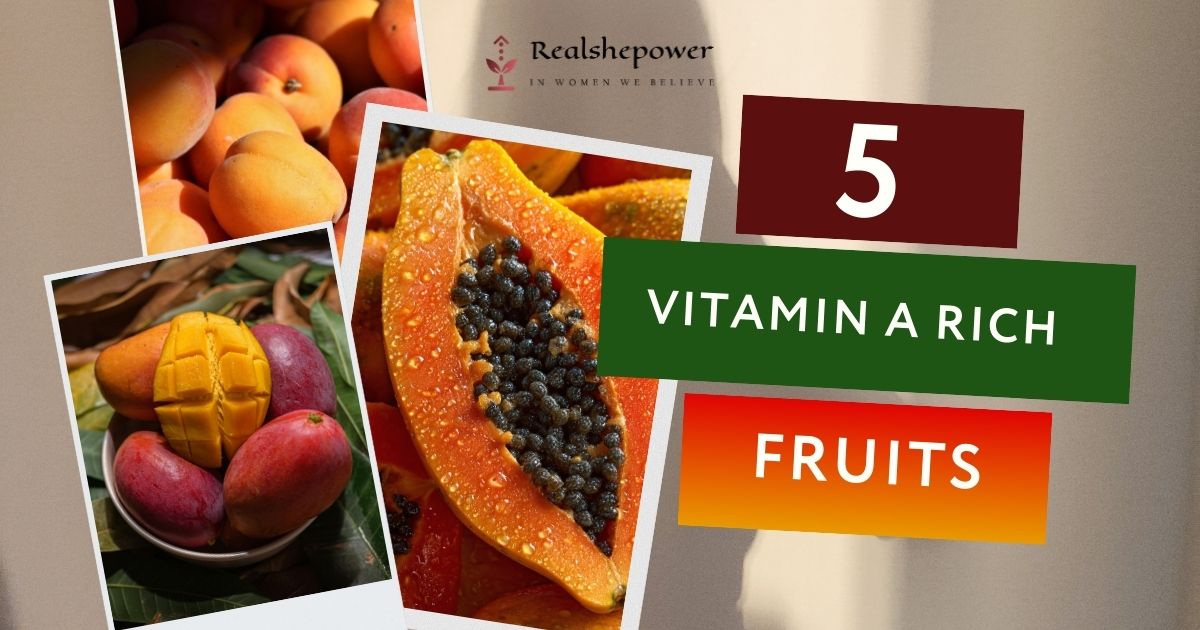
Vitamin A is essential for eyesight, immunity, skin repair, hormone function, and cellular growth. Many people turn to pills and capsules for Vitamin A, but over-supplementation can be dangerous and cause toxicity.
The safest, most effective approach is getting Vitamin A naturally from fruits, vegetables, herbs, and healthy fats that improve absorption.
This guide explains how to increase Vitamin A levels naturally, what to eat, how to pair foods correctly, symptoms of deficiency, and precautions to maintain balance.
Vitamin A is fat-soluble, meaning the body stores what it does not use, and excess through supplements may cause liver strain. Natural food sources avoid toxicity, provide antioxidants, fiber, and enzymes, and allow the body to regulate conversion naturally.
Core Functions of Vitamin A:
If multiple symptoms persist, testing levels professionally is recommended.
To complement the fruit list from your previous article, here are additional foods that significantly boost Vitamin A naturally.
One sweet potato can provide over 400% of the daily Vitamin A requirement. It is rich in beta-carotene and supports eye moisture, gut immunity, and skin healing.
How to consume:
Discover the top natural home remedies that help support liver health in women — simple, effective, and easy to incorporate into your daily wellness routine.
→ Read Full ArticleSpinach, fenugreek (methi), kale, and moringa leaves are Vitamin A powerhouses. They also provide iron and antioxidants that support hemoglobin and cellular power.
Best combinations:
Raw, juiced, or steamed carrots provide a stable supply of Vitamin A. The body converts beta-carotene to retinol based on need, making it safer than supplements.
Smart consumption tips:
Unlike plant-based sources that require conversion, eggs offer preformed Vitamin A (retinol), which the body can use instantly.
Ideal intake:
Cow’s milk, paneer, curd, and ghee contain Vitamin A and healthy fats that help nutrient absorption.
How to consume:
Eating rich sources alone is not enough—your body must properly absorb them.
Do This:
Avoid This:
| Time | Food Recommendation |
|---|---|
| Morning | Papaya or watermelon + handful of nuts |
| Breakfast | Spinach omelette / methi paratha with curd |
| Lunch | Dal, rice, sabzi + 1 tsp ghee + sweet potato |
| Snack | Carrot sticks or cantaloupe |
| Dinner | Eggs/Paneer + leafy greens |
| Before Bed | Warm milk or moringa tea |
This pattern gradually restores Vitamin A levels without artificial supplementation.
From food, toxicity is unlikely. From supplements, risk is higher.
Potential symptoms of excess supplementation:
Pregnant women must avoid high-dose supplements without medical supervision.
You do not need supplements to increase Vitamin A levels. A consistent, balanced diet containing fruits, leafy greens, sweet potatoes, eggs, dairy, and healthy fats can restore Vitamin A naturally. Pair nutrients correctly, avoid overprocessing food, and maintain hydration for best absorption.
Discover the top fruits packed with Vitamin A — delicious, nutritious, and easy to include in your daily diet for better eye health, immunity, and overall wellness.
→ Read Full ArticleThe Pashtunistan Movement: Seeking Unity Across a Divided Homeland The Pashtunistan Movement is a nationalist…
Stretching approximately 2,640 kilometers from the tripoint with Iran in the west to the border…
Open War The Pakistan-Afghanistan border clashes have escalated dramatically in recent days, marking one of…
Dearest Gentle Reader, The ink is barely dry on Lady Whistledown’s audacious return, and already,…
Dearest Gentle Reader, the ink hadn’t even dried on Penelope Bridgerton’s retirement announcement before a…
The "Benophie" wedding in the Season 4 finale of Bridgerton wasn't just a romantic milestone—it…
This website uses cookies.