
5 Best Fruits You Should Eat To Get Vitamin A
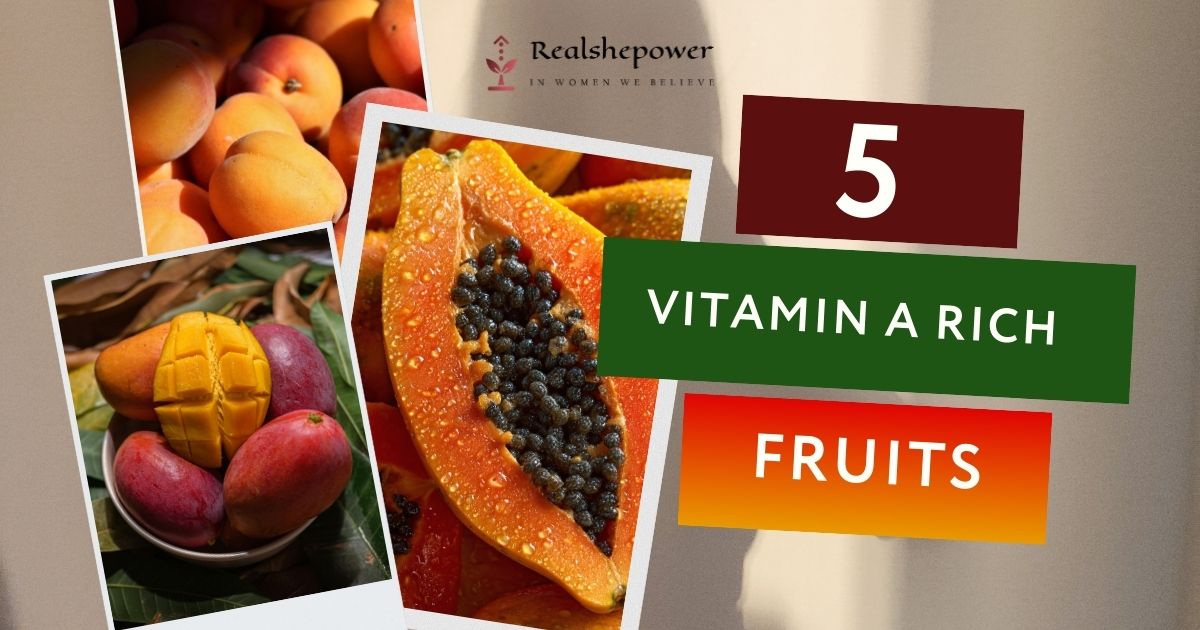
The Ultimate Guide for Better Eyesight, Immunity & Skin Health
Summary (Quick Overview)
Vitamin A is crucial for vision, immunity, skin renewal, reproductive health, and cellular repair. While carrots are known for their Vitamin A content, several fruits actually provide significant amounts of this nutrient and are easier to digest, naturally sweet, and loaded with antioxidants.
This guide covers the five best fruits rich in Vitamin A, their benefits, recommended intake, and how to maximize absorption naturally.
Snapshot of the Article
- Mangoes, Papayas, Cantaloupe Melons, Apricots, and Watermelon are top Vitamin A fruits.
- They support eyesight, skin glow, immunity, and heart health.
- Eating these fruits with healthy fats increases Vitamin A absorption.
- Moderation is key; fruits are safe, but supplement abuse can cause toxicity.
Why Vitamin A Matters
Vitamin A is a fat-soluble nutrient responsible for:
- Preventing night blindness and supporting retina function
- Enhancing immune defense
- Improving skin cell turnover, elasticity, and brightness
- Supporting lung, heart, and kidney function
- Acting as an antioxidant that fights free radical damage
Recommended Daily Intake (RDI):
- Men: 900 mcg/day
- Women: 700 mcg/day
- Pregnant Women: 770 mcg/day (doctor consultation advised)
Top 5 Fruits Rich in Vitamin A
1. Mango – The King of Vitamin A Fruits
Vitamin A content: 54 mcg per 100g
Mangoes are loaded with beta-carotene, which the body converts into Vitamin A. They also contain digestive enzymes and immunity-boosting antioxidants. Regular intake assists with night vision, clarity, and overall eye comfort.
Benefits:
- Improves low-light vision and reduces eye strain
- Replenishes skin cells and reduces dullness
- Supports immunity and gut health
How to Eat: Mid-morning or pre-lunch for maximum nutrient utilization.
2. Papaya – Skin Radiance & Immunity Booster
Vitamin A content: 47 mcg per 100g
Papaya contains carotenoids, lutein, and zeaxanthin that protect the retina and enhance skin healing. It is gentle on digestion and suitable for most age groups, including seniors and those with weak immunity.
Benefits:
- Reduces pigmentation and supports skin repair
- Protects the eyes from age-related degeneration
- Helps regulate digestion and inflammation
How to Eat: Breakfast bowl, smoothie, or post-meal fruit.
3. Cantaloupe (Kharbooja) – Hydrating & Nutrient Dense
Vitamin A content: 169 mcg per 100g
Cantaloupe is one of the highest Vitamin A fruits. Its water and electrolyte content make it ideal for hot climates, dehydration, and fatigue. The nutrient profile assists with vision, skin protection from UV damage, and immune stability.
Benefits:
- Prevents dry, irritated eyes
- Repairs sun-damaged skin cells
- Supports hydration and electrolyte balance
How to Eat: Combine with nuts or flaxseeds to enhance nutrient utilization.
Must Read

Lip-Friendly Vitamins and Supplements
Discover essential vitamins and supplements that support healthy, soft lips — tips for nourishment, hydration, and beautiful results.
→ Read Full Article4. Apricots – Small but Vitamin A Heavyweights
Vitamin A content: 96 mcg per 100g
Apricots, both fresh and dried, provide concentrated Vitamin A that supports hormone balance, eye lubrication, and brighter skin. They also offer fiber, making them a suitable snack for people with digestive issues or low metabolism.
Benefits:
- Reduces skin dryness and eczema irritation
- Protects retinal cells from long-term degeneration
- Supports iron absorption when paired with Vitamin C
How to Eat: 2–3 fresh apricots or 4–5 dried ones per day.
5. Watermelon – Cooling Fruit for Eye & Skin Health
Vitamin A content: 28 mcg per 100g
While milder in concentration, watermelon’s high water content lets you consume more, leading to effective Vitamin A intake. It is soothing for the liver, supportive for skin elasticity, and calming for inflammation.
Benefits:
- Prevents dehydration-linked blurred vision
- Supports collagen formation and skin firmness
- Acts as a natural anti-inflammatory fruit
How to Eat: Ideal as a standalone snack or hydrating mid-afternoon portion.
How to Maximize Vitamin A Absorption
Since Vitamin A is fat-soluble, pairing it with healthy fats significantly improves bioavailability.
Pair with:
- Almonds, walnuts, chia, flax
- Greek yogurt or paneer
- Olive oil in smoothies
- Peanut butter or almond butter
This assists the conversion of beta-carotene → retinol, the usable form of Vitamin A.
Possible Side Effects
Vitamin A from fruits is safe, but caution is advised if:
- You are taking Vitamin A supplements alongside these fruits
- You have a liver condition
- You are pregnant and on high-dose supplements
In such cases, medical guidance is recommended.
Conclusion
The top Vitamin A fruits you should add to your daily diet are:
- Mango
- Papaya
- Cantaloupe
- Apricots
- Watermelon
Each of these supports better eyesight, glowing skin, immune strength, and overall cellular repair. With consistent intake and proper food pairing, you can improve Vitamin A levels naturally without relying on supplements.
Must Read

Heal Indian Skin After Brightening Damage
Learn how to repair and restore Indian skin after damage from brightening treatments — expert tips for soothing, hydration, and glowing recovery.
→ Read Full Article