India’s Safest Hidden Destinations for Women Travelers: The Real Guide Nobody Has Written Yet
Every list of safe destinations for women in India mentions the same places.
Rishikesh. Udaipur. Goa. Kerala. Manali.
These are good places. Some of them are genuinely wonderful. But they are also the places that every travel article written in the last ten years has already covered in the same words with the same photographs and the same advice about staying in well-reviewed guesthouses and not walking alone after dark.
This is not that article.
This article is about the places that experienced women travellers have quietly been going to for years without telling everyone about them. The small towns. The hill districts. The coastal villages. The valley settlements. The places where a woman travelling alone is met not with predatory attention or commercial hunger but with the particular warmth of communities that have always known how to treat a guest.
These destinations are safe not because they have been declared safe by a government tourism board. They are safe because of their culture, their geography, their community structure, and the lived experience of the women who have already been there and come back wanting to return.
This is the real guide.
For women drawn to the spiritual geography of these safe destinations, our guide to the mystical Himalayan temples hidden above the clouds covers the sacred sites that sit inside some of India’s most welcoming mountain communities.
What Actually Makes a Destination Safe for Women
Before the list, a framework. Because safe means different things in different contexts and a list without a framework is just a list.
A destination is genuinely safe for women when four things are true simultaneously.
The community has a culture of respect for women moving independently through public space. This is not the same as a low crime rate on paper. It is about whether a woman sitting alone at a chai stall at 7am is treated as a normal human being or as an anomaly requiring commentary.
The accommodation options include properties where solo women are a known and welcomed guest profile. Not just tolerated. Welcomed. There is a difference and you feel it within five minutes of checking in.
The transport within and around the destination does not require a woman to negotiate her safety every time she needs to get somewhere. Reliable autos, shared jeeps with regular routes, walkable town centres, or good connectivity to the next town.
The local women are visible and active in public life. This is the single most reliable indicator of how a destination will treat a woman traveller. If the local women are running shops, sitting in chai stalls, walking unaccompanied, working in visible roles, the destination’s culture has made space for women in public and that culture will extend to you.
Every destination in this article passes all four tests.
Gokarna, Karnataka: The Beach That Stayed Itself
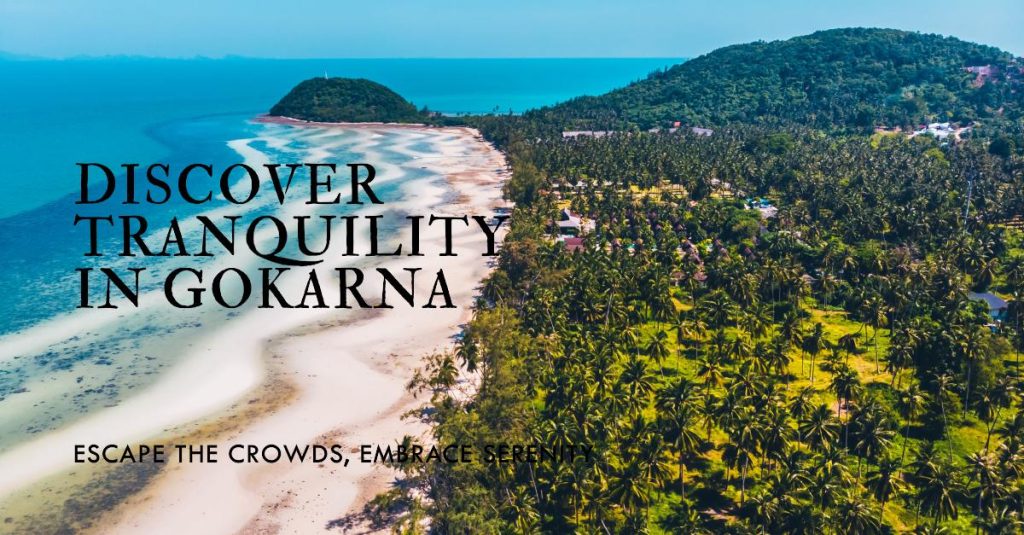
Gokarna provides a peaceful beach atmosphere which allows visitors to relax and decompress while listening to ocean waves, attracting slow travelers who prefer spending entire weeks away from home.
Gokarna is what Goa was before Goa became what Goa is now. A small temple town on the Karnataka coast with beaches that require a short walk or a boat ride to reach, which naturally filters out the kind of crowd that makes certain beach destinations uncomfortable for women travelling alone.
The town itself is a pilgrimage centre built around the Mahabaleshwara temple. This gives it a specific social character. It is not a party destination. It is not a place where men go specifically to pursue women. It is a place where pilgrims come and where travellers who have found it stay longer than they planned because the pace and the atmosphere make extension feel like the only sensible response.
Om Beach and Kudle Beach are the most accessible. Half Moon and Paradise Beach require more effort and reward it with genuine solitude. Women camping or staying in guesthouses on these beaches consistently report a quality of safety and ease that surprises them because the word beach in India has been complicated by experiences elsewhere.
The local fishing community and the temple community set the social tone of Gokarna and that tone is one of purposeful daily life that has no particular interest in interfering with yours.
Where to stay: Small guesthouses on Kudle Beach from 800 to 2,500 rupees per night. Several women-run homestays in the town itself. Book ahead for October to March peak season.
How to reach: Train to Gokarna Road station on the Konkan Railway. Well connected from Mumbai, Goa, and Mangalore. The station is 9 kilometres from town. Autos available.
Best time: October to March. Avoid monsoon as the seas are rough and several beach guesthouses close.
Pelling, Sikkim: The Mountain Town With a Different Atmosphere
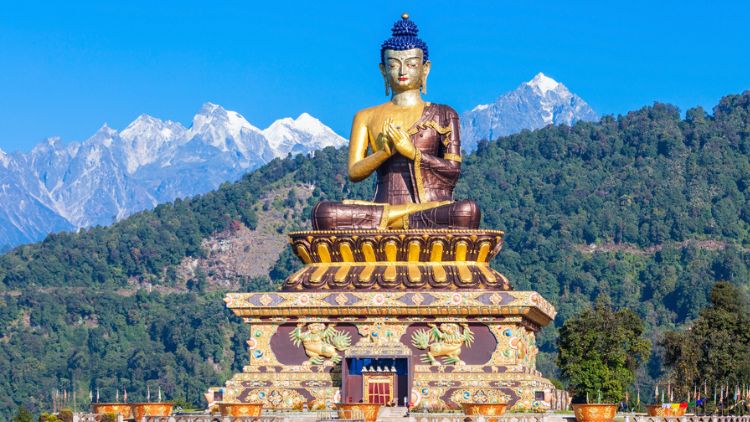
Sikkim as a state has a specific quality for women travellers that sets it apart from almost every other mountain destination in India.
Sikkim stands out as one of the best spots for solo female travellers in India in 2026, offering a combination of safety, welcoming locals, and a variety of enriching experiences providing a balance of tranquility and cultural immersion.
Pelling specifically, rather than the more visited Gangtok, offers the Sikkim experience at a quieter register. It sits at 2,150 metres in West Sikkim with direct views of the Kanchenjunga range on clear mornings that are among the finest mountain views accessible without serious trekking anywhere in India.
The community here is predominantly Lepcha and Bhutia with a significant Nepali community, and the mountain Buddhist culture that shapes daily life in West Sikkim creates a social environment that women travellers consistently describe as genuinely relaxed. Not performing safety. Actually safe in the way that comes from a community that has never organised itself around the harassment of women as entertainment or sport.
The Pemayangtse Monastery above Pelling is one of the oldest and most significant monasteries in Sikkim. The Rabdentse ruins nearby are the remnants of Sikkim’s ancient capital. The walk between them through rhododendron forest on a clear morning is the kind of thing that makes you question every life choice that kept you in a city.
Where to stay: Several good mid-range hotels in Pelling from 2,000 to 5,000 rupees per night with Kanchenjunga views. Book rooms on the mountain-facing side. The view from bed in the morning is worth specifying when you book.
How to reach: Fly to Bagdogra and drive approximately 140 kilometres to Pelling through Jorethang. Shared jeeps run from Jorethang. Alternatively take the train to New Jalpaiguri and hire a car from there.
Best time: March to May for rhododendron bloom and October to December for clearest mountain views.
Chettinad, Tamil Nadu: The Village That Preserves Everything
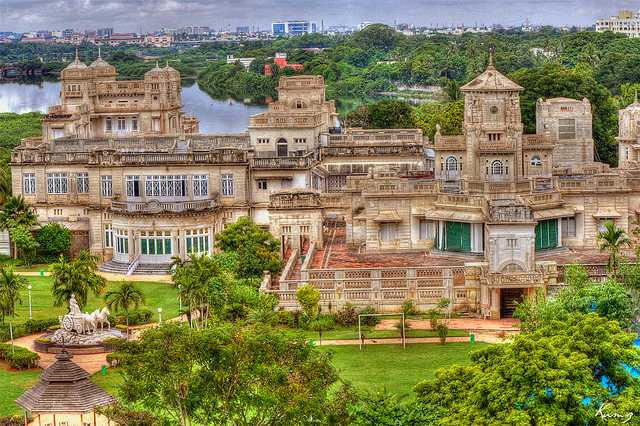
Chettinad is a cluster of villages in the Sivaganga district of Tamil Nadu built by the Nattukotai Chettiars, a mercantile community whose trading wealth in the 18th and 19th centuries produced some of the most extraordinary domestic architecture in India.
The mansions here, called nalukettu, are built around open courtyards and decorated with Burmese teak, Italian marble, Belgian glass, and Athangudi tiles made in the region using a technique that has not changed in two centuries. These houses are not in a museum. They are in villages. Some are still family homes. Some have been converted into heritage homestays. Walking through Karaikudi or Kanadukathan in the early morning while families are going about their day around you, with these extraordinary houses as the backdrop, is an experience that has no equivalent in India.
Chettinad is safe for women travellers for a specific reason that goes beyond general pleasantness. The Chettiar community has historically been mercantile and cosmopolitan, with trading connections across Southeast Asia that brought a certain outward-looking worldliness to their culture. Women travelling here are read as guests with legitimate purpose and treated accordingly.
The food of Chettinad is its own reason to go. The cuisine is considered among the most complex and flavourful in India, built on a spice palette that is specific to this region and not fully reproducible anywhere else. Eating at a traditional Chettiar household that takes in guests for meals is an experience that a restaurant cannot replicate regardless of its star rating.
Where to stay: Several heritage homestays in the mansions themselves from 3,000 to 8,000 rupees per night. The Bangala in Karaikudi is the most established. Visalam in Kanadukathan is extraordinary. Both include meals and both are run with the kind of personal hospitality that makes you feel like a family guest rather than a paying customer.
How to reach: Train to Karaikudi from Chennai, approximately 5 to 6 hours. Well connected. Autos available within the village cluster.
Best time: November to February. Tamil Nadu summers are intense and Chettinad has no natural cooling from altitude or coast.
Majuli, Assam: The River Island That Exists on Its Own Terms

Majuli is the largest river island in the world, sitting in the Brahmaputra in Assam, and it is one of those places that changes something in you before you have fully understood what it is doing.
Assam stands out as one of the best spots for solo female travellers in India in 2026, offering safety, welcoming locals, and diverse enriching experiences.
Majuli is the centre of the Vaishnavite Sattra tradition, a monastic and cultural system established by the 16th century saint-philosopher Srimanta Sankardeva. The Sattras are monastery-cum-cultural institutions that maintain traditions of classical music, mask-making, dance, and manuscript preservation that are specific to this island and found nowhere else on earth.
The island is reached by ferry from Jorhat and the ferry crossing itself, the Brahmaputra wide and brown and powerful around you, sets the psychological tone for what Majuli offers. You have crossed something. You are somewhere different now.
The Mishing tribal community on Majuli are known for their hospitality to travellers and their bamboo stilt houses are available as homestay accommodation in some villages. Staying in a stilt house above the Brahmaputra floodplain, waking to river mist and the sound of the island starting its day, eating Mishing food cooked on a wood fire, is a complete and sufficient travel experience in itself.
Women travelling alone to Majuli report a consistent quality of being looked after without being managed. The island is small enough that people know each other and know when someone is new and that community knowledge translates into a kind of informal hospitality infrastructure that no app can replicate.
Where to stay: Homestays in Mishing villages from 800 to 1,500 rupees per night including meals. La Maison de Ananda is a more comfortable option for those who want private bathroom facilities. Book ahead as the island has limited beds.
How to reach: Train or fly to Jorhat. Ferry from Nimati Ghat in Jorhat to Majuli, approximately one hour crossing. Ferries run morning and afternoon. Check current schedule locally as times change seasonally.
Best time: October to March. The island floods partially in monsoon and the Brahmaputra in heavy rain is not a comfortable crossing.
Hampi, Karnataka: The Ruins That Welcome Everyone
Mysuru and parts of Karnataka are among the safest destinations in India for solo female travellers.
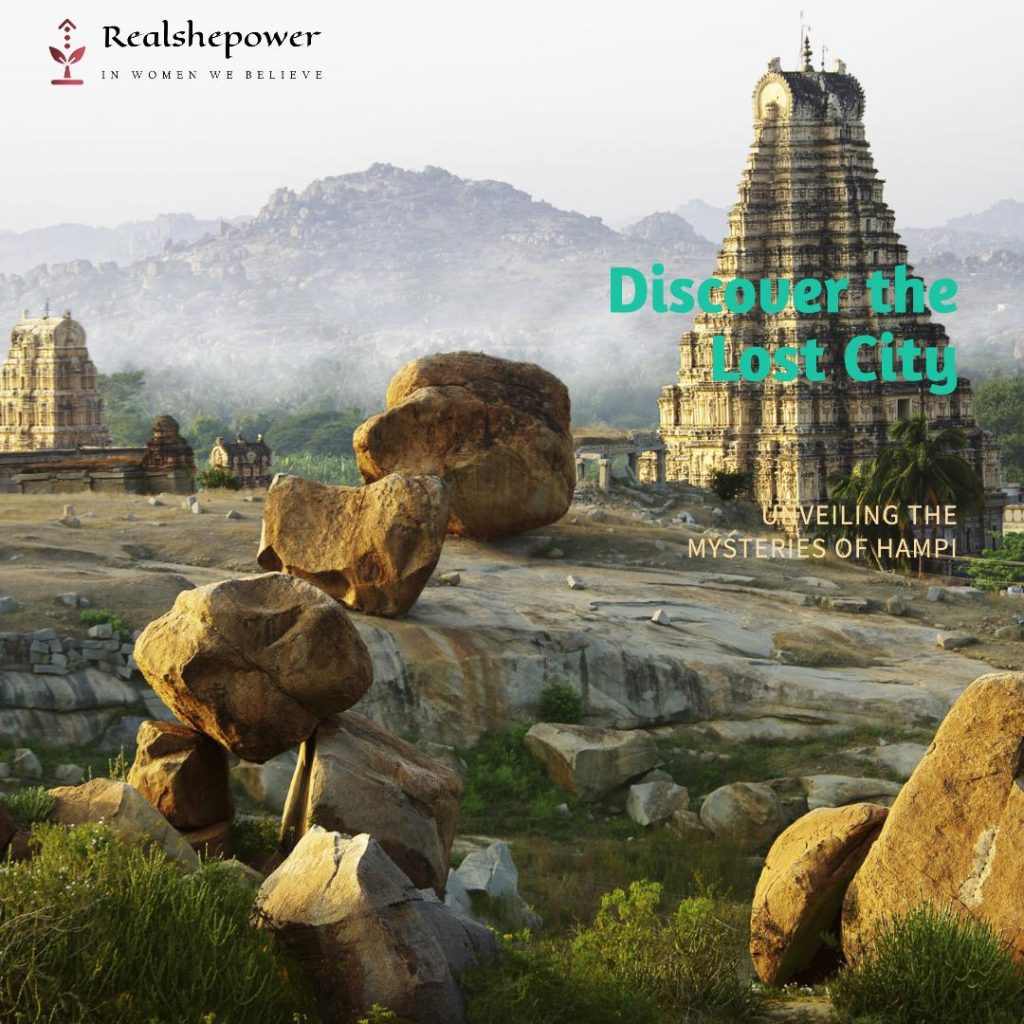
Hampi specifically deserves its own entry because it has developed over the past decade a traveller culture that is uniquely inclusive and unusually safe for women travelling alone.
The ruins of the Vijayanagara Empire spread across a boulder-strewn landscape beside the Tungabhadra river in northern Karnataka and the scale and beauty of what remains after five centuries is genuinely staggering. The Vittala temple complex with its stone chariot and musical pillars. The Virupaksha temple that has been in continuous worship since the 7th century. The royal enclosure. The elephant stables. The stepped tanks. All of it spread across a landscape of extraordinary boulders and river and sky that makes the ruins feel like they grew from the earth rather than being built on it.
The traveller community that has gathered around Hampi over the years, particularly on the quieter north side of the river reachable by coracle, is one of the most genuinely mixed and mutually respectful in India. Solo women, couples, families, international travellers, Indian travellers from every state. The shared experience of being somewhere extraordinary together creates a social warmth that makes Hampi feel safer than its remote location might suggest.
The coracle crossing of the Tungabhadra to the north bank is one of those small travel experiences that disproportionately stays with you. A circular bamboo boat barely large enough for four people, a riverman paddling in a specific circular motion, the current doing most of the work, the ruins visible on both banks.
Where to stay: The north bank has simpler, cheaper guesthouses from 600 to 1,500 rupees per night. The south bank near the main Virupaksha temple has a wider range from 1,000 to 4,000 rupees. Several women-friendly guesthouses on both sides with good reviews from solo female travellers specifically.
How to reach: Overnight buses from Bangalore, approximately 8 hours. Train to Hospet, 13 kilometres from Hampi, and auto from there.
Best time: October to February. Hampi in summer is extremely hot and the boulders retain heat making late afternoon exploration very uncomfortable.
Tirthan Valley, Himachal Pradesh: The Valley Before the Valley

Most people driving to Kasol or Kheerganga pass through the turnoff for Tirthan Valley without noticing it. This is their loss and the valley’s ongoing gift to the travellers who do turn.
Tirthan Valley sits in the Kullu district of Himachal Pradesh beside the Tirthan river, a tributary of the Beas, and it is one of those places where the landscape is so immediately and completely beautiful that the first response is to sit down and look at it for a while before doing anything else.
The Great Himalayan National Park begins here and the biodiversity of the forest above the valley, Himalayan brown bear, snow leopard, monal pheasant, over 375 bird species, makes Tirthan one of the finest wildlife observation areas in the western Himalayas for people willing to sit quietly and wait.
The safety profile of Tirthan Valley for women comes from its smallness and its specific traveller culture. This is not a party destination. The people who come here come for the river, the forest, the silence, and the particular quality of Himachali village hospitality that the smaller valleys still offer. The guesthouse owners know their guests. The village community is intact and functional in a way that provides an informal safety net for everyone passing through.
Women travelling here alone consistently describe the experience as the closest they have come to complete relaxation because there is simply no social pressure of any kind operating in this valley. Nobody cares what you look like. Nobody is selling you anything aggressively. Nobody is paying attention to you at all except to make sure you have what you need.
That specific quality of benign inattention is rarer than it sounds and more valuable than any safety feature a hotel can advertise.
Where to stay: Riverside guesthouses and homestays from 1,000 to 3,000 rupees per night. RAHI Tirthan Guest House is well regarded. Several family-run homestays in villages like Gushaini and Banjar offer meals included.
How to reach: Drive from Kullu or Manali to Aut and then take the turnoff for Banjar and Gushaini. Approximately 65 kilometres from Kullu. Buses run from Kullu to Banjar.
Best time: April to June and September to November. The valley is accessible in winter but cold and some guesthouses close.
If the Himachal and Uttarakhand hills are calling you, read our complete guide to the offbeat temple villages of Devbhoomi Uttarakhand where the mountains hold traditions even older than the trails.
Pondicherry: The Town That Understood Pace
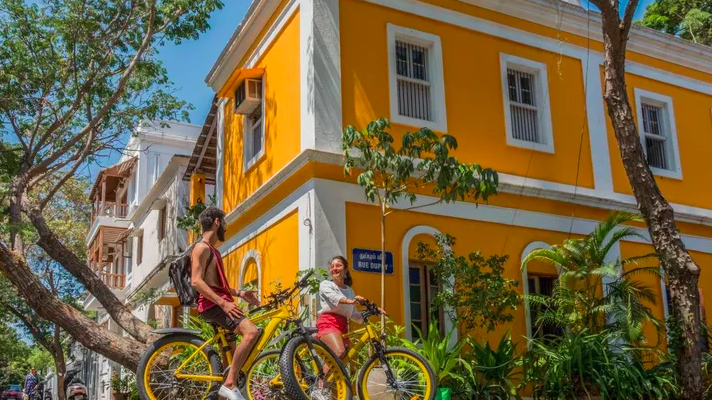
Pondicherry is among the safest cities in India for solo female travellers, with its French Quarter, ashram culture, and cafe-lined streets creating an atmosphere that is consistently described as the most relaxed urban environment in South India.
Pondicherry works for women travellers for reasons that are both practical and atmospheric. The French Quarter, with its wide tree-lined streets, coloured colonial buildings, and seafront promenade, is walkable, well-lit, and populated at almost every hour with a mix of residents and travellers that creates natural safety in numbers without the noise or chaos of larger cities.
The Auroville community nearby and the Sri Aurobindo Ashram in the town itself attract a specific kind of visitor, thoughtful, inward-looking, interested in something more than surface tourism, and that visitor profile shapes the social atmosphere of the town in ways that make it genuinely comfortable for women travelling alone.
The cafés of the French Quarter deserve specific mention because they are one of the practical mechanisms of safety that nobody writes about directly. A town with good cafés where a woman can sit alone for two hours with a book and a coffee without being bothered or made to feel conspicuous is a town where she has access to daytime refuge, to wifi, to conversation if she wants it, and to the specific comfort of being in a public space that functions normally around her. Pondicherry has an unusual number of these cafés and that is not a small thing.
Where to stay: The French Quarter has guesthouses ranging from 1,500 to 6,000 rupees per night. Dumas Street and Mission Street have good options. Several women-specific recommended properties in the solo travel community including Palais de Mahe at the higher end and several family guesthouses at the budget end.
How to reach: Bus or train from Chennai, approximately 3 hours. Pondicherry has its own railway station with limited direct connections. The bus from Chennai CMBT to Pondicherry is frequent, comfortable, and takes about 3.5 hours.
Best time: October to March. The town is pleasant year-round but the northeast monsoon hits in November so November requires rain tolerance.
Khajjiar, Himachal Pradesh: The Meadow That Nobody Rushes
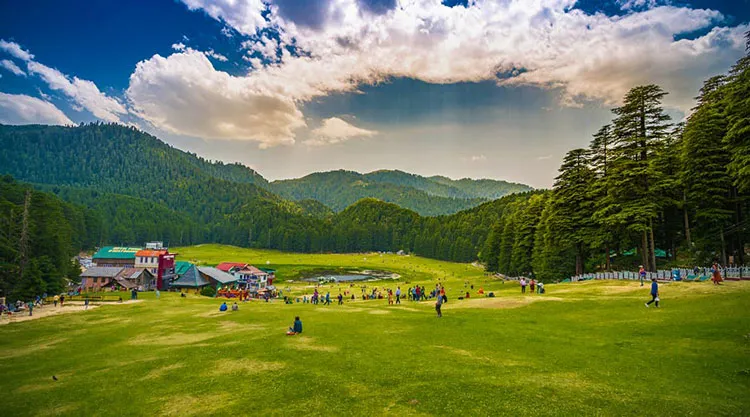
Khajjiar sits at 2,000 metres in the Chamba district of Himachal Pradesh and is called India’s Switzerland with the kind of hyperbole that usually oversells a place entirely. In this case the meadow is genuinely extraordinary. A circular deodar forest surrounds a flat green meadow with a small lake at its centre and the Dhauladhar range visible above the treeline and the whole thing is so precisely beautiful it looks arranged.
The Chamba district more broadly is one of the most undervisited in Himachal Pradesh and that undervisitation is its primary virtue. The infrastructure is less developed than Shimla or Manali or Dharamsala but the communities are intact and functional in ways that the more heavily touristed areas have partially lost.
Women travelling to Khajjiar and the Chamba valley report a quality of welcome that feels genuinely unhurried. The tourism here has not yet reached the scale where it becomes transactional rather than human. Guesthouse owners in this region still have time to talk to their guests, to recommend the walk that is not in the guide, to warn about the road condition after rain, to send you to the dhaba that their cousin runs because the food is better and you should eat well while you are here.
That human quality of small-scale tourism is what makes these destinations not just safe but genuinely nourishing for women travelling alone. You are not a booking reference. You are a person who came a long way to be here and the community around you knows the difference.
Where to stay: Small guesthouses in Khajjiar from 1,000 to 2,500 rupees per night. Chamba town, 24 kilometres away, has a wider range including the HPTDC Hotel Iravati which is reliable and well located.
How to reach: Drive from Pathankot, approximately 120 kilometres through Dalhousie. Buses run from Pathankot to Chamba with connecting services to Khajjiar.
Best time: April to June and September to November. December to February brings snow which is beautiful but requires preparation.
The RealShePower Safety Framework: What To Do Wherever You Go
Beyond destination choice, here are the practical things that experienced solo women travellers do consistently across every destination:
Tell someone your itinerary before you leave. Not as a safety performance. As a practical measure that means someone knows where to look if you go quiet. Share your accommodation details and a rough daily plan with a friend or family member.
Download MySafetipin before any solo trip. The app maps safety scores for areas across Indian cities and towns based on factors including lighting, crowd presence, and reported safety incidents. It is not perfect but it is better than nothing and nothing is what most women are currently using.
Book your first night accommodation before you arrive anywhere new. The most vulnerable moment in solo travel is arriving in an unfamiliar place after a long journey without knowing where you are going. Remove that vulnerability by booking even just the first night in advance.
Trust the women. In any new destination the fastest route to reliable local knowledge is to talk to local women. The woman running the guesthouse kitchen. The woman at the chai stall. The woman at the temple. They know which roads are fine, which auto drivers are reliable, which areas to avoid at which hours, and they will tell you directly if you ask directly.
Use the women-only compartment on overnight trains without apology or self-consciousness. It exists for a reason and using it is practical intelligence not timidity.
✦ RealShePower Travel Genie
The single most useful safety tool for solo women in India is not an app or a self-defence class. It is a local contact in every destination you visit. Before you travel anywhere, find one person in that town, through a travel community, through a women’s travel Facebook group, through a previous guest review that mentions the owner by name, and message them. Introduce yourself. Say you are coming alone. Ask one specific question about the destination. That exchange creates a human connection before you arrive and human connections are the actual safety net that keeps solo women travellers safe. Also carry a portable door lock for guesthouses and budget hotels. It weighs nothing and takes ten seconds to install and gives you complete control over who can enter your room regardless of what the hotel lock situation is. And the one thing no safety guide says directly: if something feels wrong it is wrong. Not maybe wrong. Not possibly wrong. Wrong. Leave the situation immediately and figure out where to go next once you are somewhere that feels right. Your instincts have been calibrated by a lifetime of navigating this world as a woman. Trust them more than you trust any checklist including this one.
RealShePower — World’s Best Women Empowerment Portal
A Final Word on Safety and Freedom
Safety is not the opposite of adventure. Safety is the condition that makes adventure possible.
Every woman in this article’s intended audience already knows how to assess risk. She has been doing it since childhood. Since the first time she was told to come home before dark without being told why. Since the first time she changed her route because something felt wrong. Since the first time she held her keys a certain way in a parking lot.
She does not need to be told to be careful. She has been careful her entire life.
What she needs is information about where her carefulness can relax slightly. Where the baseline is higher. Where the community around her is genuinely on her side. Where she can sit at a chai stall alone at 7am and be treated as a person having tea rather than a situation requiring management.
The destinations in this article are those places. They are not perfect. No place is. But they are places where the ratio of warmth to hostility is reliably better than average. Where women who have travelled alone have gone back. Where the things that exhaust a solo woman traveller in India, the constant calculation, the hypervigilance, the managing of attention, are required less than usual.
That is what freedom looks like in practice for Indian women right now.
Not the absence of all risk. The presence of enough safety to breathe.
Go breathe somewhere beautiful.
RealShePower. Because she was never asking for permission. She was asking for better information.