Minjar Festival is The Golden Threads of Himachal’s Summer Celebration
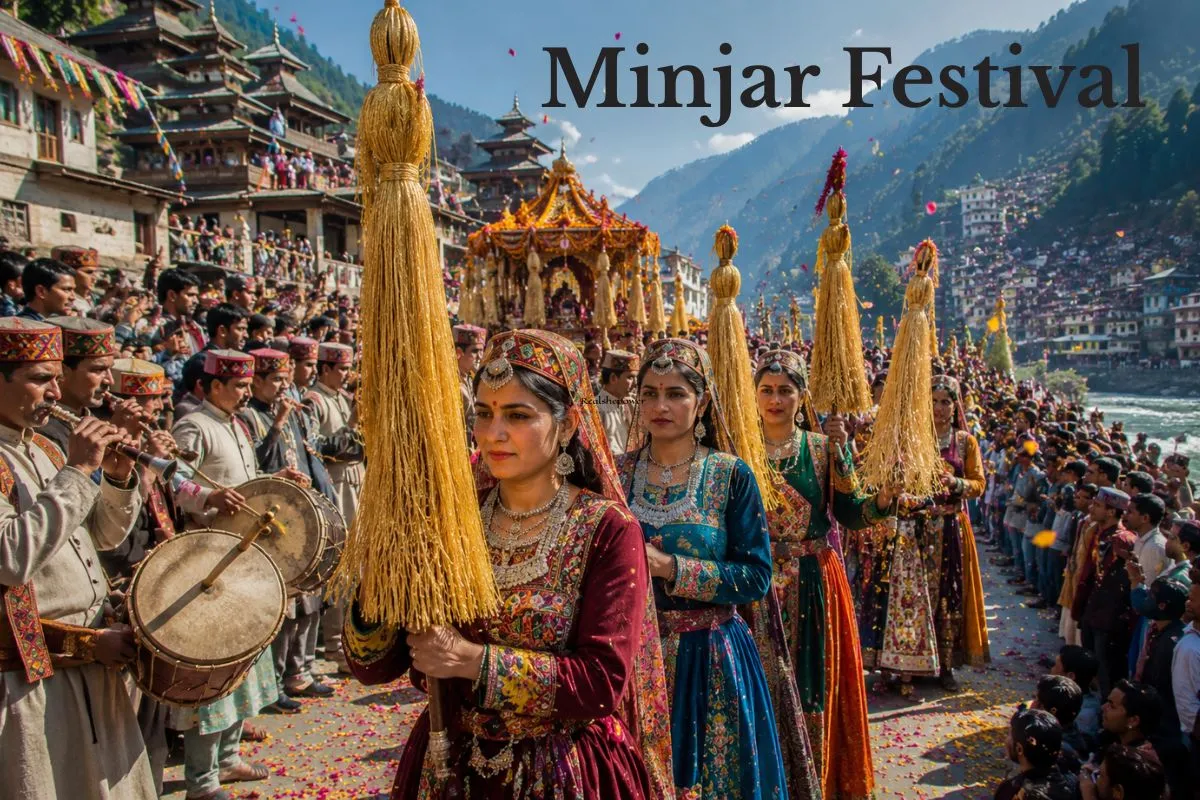
Minjar Festival is Woven in Threads of Gold
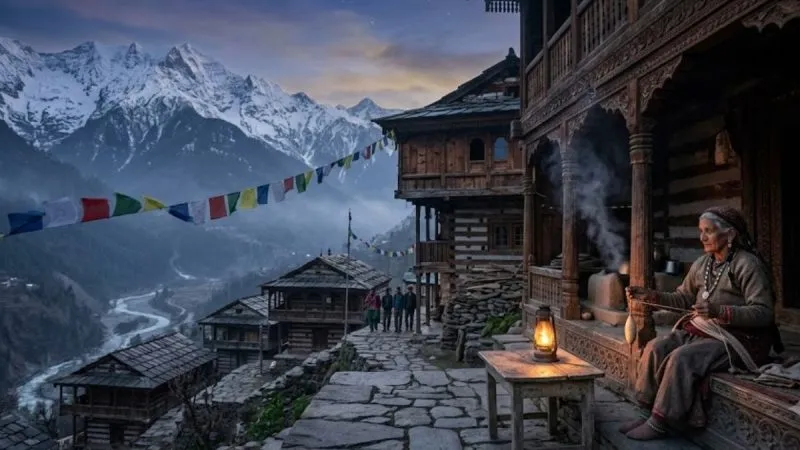
In the quiet valleys of Himachal Pradesh, where rivers cut through mountains and time seems to move a little slower, a festival unfolds that feels both intimate and deeply rooted in history.
The Minjar Festival in Chamba is not loud in the way many celebrations are. It carries a different energy. One that is grounded, rhythmic, and connected to the land.
Among the many summer festivals in India, Minjar stands out because it reflects a relationship between people, agriculture, and tradition that has remained largely unchanged.
Look no further — you’re exactly where you need to be. Real SHEE Power is your ultimate travel genie, granting your wanderlust wishes with everything you need to know for the perfect journey.
What Is the Minjar Festival
The Minjar Festival is celebrated in the town of Chamba, usually in July or August.
It marks the harvesting of maize and is closely linked to the agricultural cycle of the region.
The word “Minjar” refers to a silk tassel, often golden in color, symbolizing the maize plant. These tassels are worn by people during the festival as a sign of prosperity and gratitude.
The Ritual: Offering to the River

One of the most significant moments of the festival is the offering made to the Ravi River.
Devotees carry coconuts, fruits, and Minjar tassels in a ceremonial procession and offer them to the river.
This act is symbolic. It represents gratitude for a good harvest and a prayer for continued prosperity.
The river, much like in other Indian traditions, becomes a witness to human intention.
The Procession: Tradition in Motion

The festival begins with a grand procession that includes traditional music, folk performances, and participation from local communities.
People dress in vibrant attire, carrying forward customs that have been preserved for generations.
The movement is not hurried. It feels measured, almost ceremonial.
This is not just a celebration. It is continuity.
Culture and Craft: A Living Heritage

Minjar Festival is also a space where local culture comes alive.
Handicrafts, textiles, and regional art forms are displayed and shared.
For visitors, it offers a glimpse into Himachal’s cultural identity beyond landscapes and tourism.
It is an opportunity to engage with traditions that are still practiced, not just preserved.
A Festival That Feels Close
Unlike large-scale festivals that can feel overwhelming, Minjar retains a sense of intimacy.
You are not lost in the crowd. You are part of it.
There is space to observe, to interact, and to understand.
This closeness is what makes Minjar unique among summer festivals in India.

Experiencing Minjar Festival
Chamba is relatively less crowded compared to major tourist destinations, but during the festival, it sees increased activity.
Booking accommodation in advance is recommended.
The weather is pleasant compared to the plains, making it an ideal summer escape.
For a broader exploration of seasonal celebrations, visit
👉 summer festivals in India
A Festival That Stays Grounded
Minjar Festival does not try to impress. It stays rooted.
It reflects a way of life that values rhythm, connection, and continuity.
It reminds you that celebration does not always need scale. Sometimes, it just needs meaning.
And in that meaning, it becomes something worth returning to.
FAQs
Where is Minjar Festival celebrated
It is celebrated in Chamba, Himachal Pradesh.
What is the significance of Minjar Festival
It marks the maize harvest and expresses gratitude for prosperity.
When does Minjar Festival take place
It usually takes place in July or August.
Why is Minjar Festival unique
Its connection to agriculture and its intimate cultural setting make it distinctive.