
Raigad: The Pride of Marathas and the Legacy of Chhatrapati Shivaji Maharaj
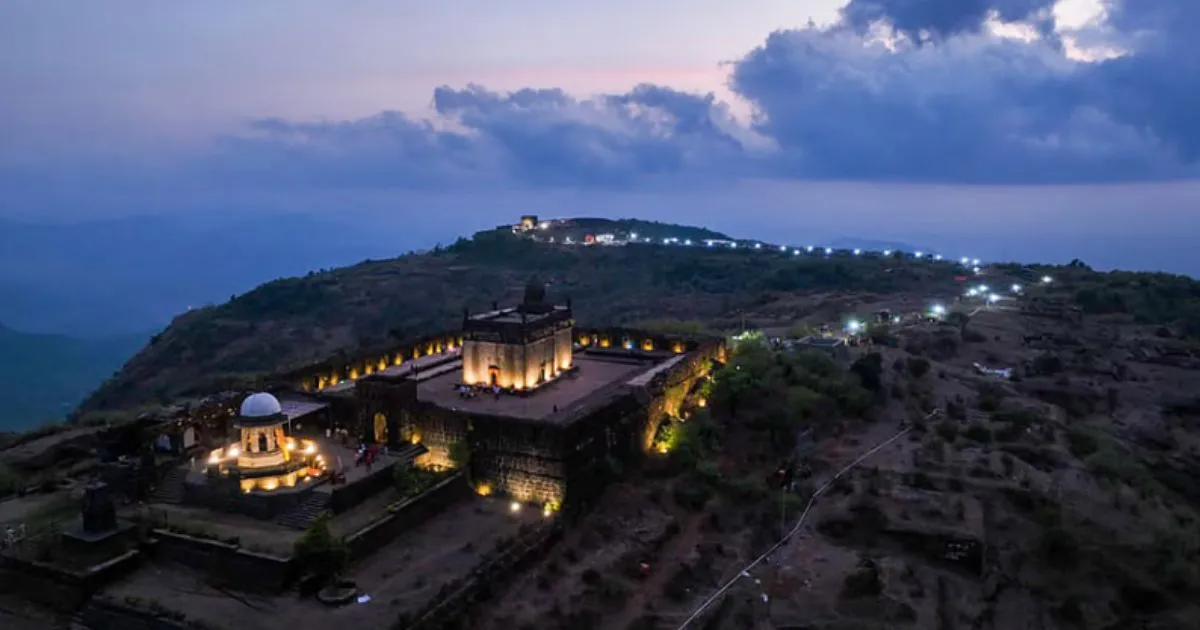
Raigad is not just a fort; it is a symbol of valor, pride, and the unbreakable spirit of the Marathas. Nestled in the Sahyadri mountains of Maharashtra, Raigad Fort stands as a testament to the might of Chhatrapati Shivaji Maharaj, the founder of the Maratha Empire. It was here that he was crowned as the Chhatrapati, and from here, he laid the foundation of Swarajya—self-rule.
The Strategic Importance of Raigad
Perched at an altitude of 2,700 feet, Raigad was an impenetrable stronghold. It was surrounded by deep valleys and dense forests, making it nearly impossible for enemy forces to breach its defenses. The only way to access the fort was through the Maha Darwaja (Great Gate), a massive entrance that still stands tall, narrating tales of history.
Shivaji Maharaj strategically chose Raigad as his capital in 1674 due to its geographical advantage and security. From here, he planned and executed military campaigns that shook the foundations of the Mughal and Adil Shahi empires.
The Glorious Coronation of Chhatrapati Shivaji Maharaj
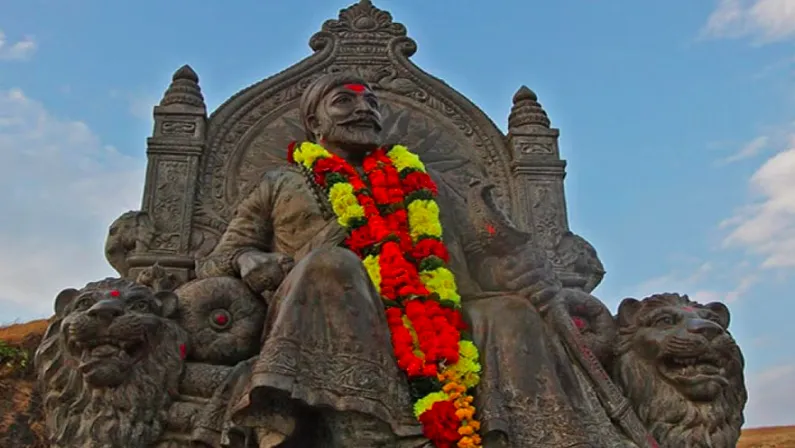
June 6, 1674, remains one of the most significant dates in Indian history. On this day, Shivaji Maharaj was coronated as the first Chhatrapati of the Maratha Empire at Raigad. The grand ceremony was conducted with Vedic rituals, where he was bestowed with the title of Kshatriya Kulavantas (Protector of the Kshatriyas).
This event was more than a mere ritual—it was a declaration of Swarajya. With the sacred waters brought from seven holy rivers across India, Shivaji Maharaj took an oath to protect his land and people. His coronation marked the beginning of a new era, where Hindavi Swarajya flourished against the oppression of foreign rulers.
The Architectural Brilliance of Raigad

Raigad Fort is an architectural marvel. Despite the passage of centuries, its ruins still echo the grandeur of the Maratha Empire. Some of the most remarkable structures within the fort include:
- Raj Bhavan (Royal Palace): This was the residence of Shivaji Maharaj, built with wood and stone. Though in ruins now, its foundations reveal the brilliance of Maratha architecture.
- Raj Sabha (Royal Court): This was the grand assembly hall where Shivaji Maharaj held important meetings with his ministers and commanders.
- Jagadishwar Temple: A temple dedicated to Lord Shiva, where Shivaji Maharaj used to offer prayers.
- Takmak Tok (Execution Point): A cliff from where traitors and criminals were punished by being thrown into the deep valley below.
- Hirakani Buruj (Hirakani Bastion): Named after Hirakani, a brave woman who climbed down the fort’s steep walls to return to her infant child. Her story is a remarkable example of courage and determination.
The Indomitable Spirit of Raigad
Raigad was not just a fort; it was the heart of the Maratha Empire. Under Shivaji Maharaj’s leadership, it became a hub of governance, military planning, and cultural revival. The fort’s walls have witnessed the formulation of strategies that expanded the empire beyond the Deccan.
Even after Shivaji Maharaj’s demise in 1680, Raigad remained a stronghold of the Marathas. However, in 1689, it fell into the hands of the Mughals under Aurangzeb. But the Maratha spirit never wavered. The fort changed hands multiple times, with the Marathas reclaiming it whenever possible.
Raigad: A Pilgrimage for Every Maratha
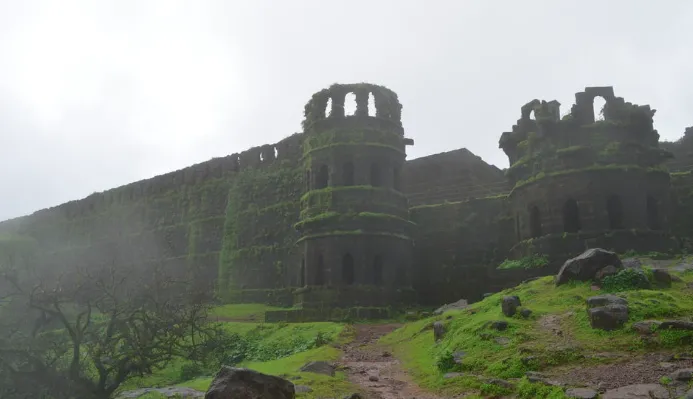
Today, Raigad stands as a sacred site for every Indian, especially for those who admire Shivaji Maharaj’s legacy. Thousands of visitors trek up the 1,737 steps to pay homage to their beloved king. The Samadhi (memorial) of Shivaji Maharaj at Raigad is a place where emotions run high—where people bow down in respect and remember the glorious past of the Marathas.
The fort is now preserved as a historical monument, and the Maharashtra government has taken significant steps to maintain its legacy. The Raigad Ropeway allows visitors to experience the fort’s grandeur without the strenuous climb, making it accessible to all.
Conclusion: The Eternal Legacy of Raigad
Raigad is more than just bricks and stones; it is the soul of Maharashtra. It symbolizes the unbreakable resolve of Chhatrapati Shivaji Maharaj and his vision of a free and prosperous land. Every stone of Raigad whispers tales of heroism, sacrifice, and Swarajya.
To stand at Raigad is to stand in the presence of history. It is to feel the echoes of war drums, the chants of Swarajya, and the vision of a leader who dared to dream beyond his time. Raigad is, and will always remain, the pride of the Marathas and the heart of India’s glorious past.