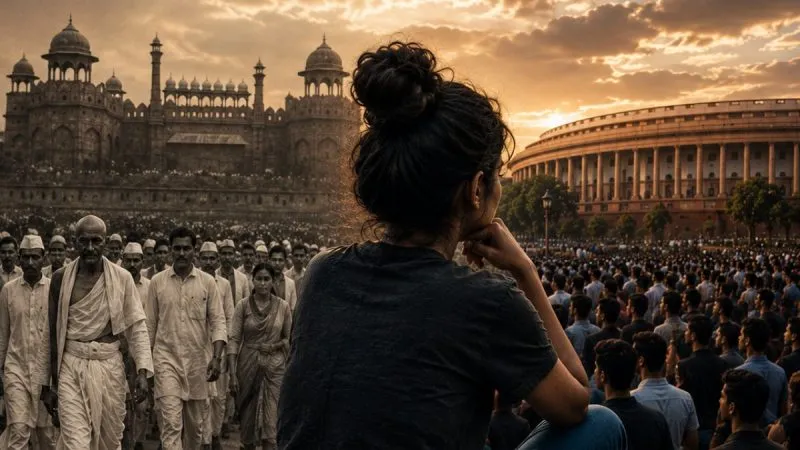
The CEOs You’ve Never Heard Of: How Middle-Class Grahnis Secretly Run the Show!
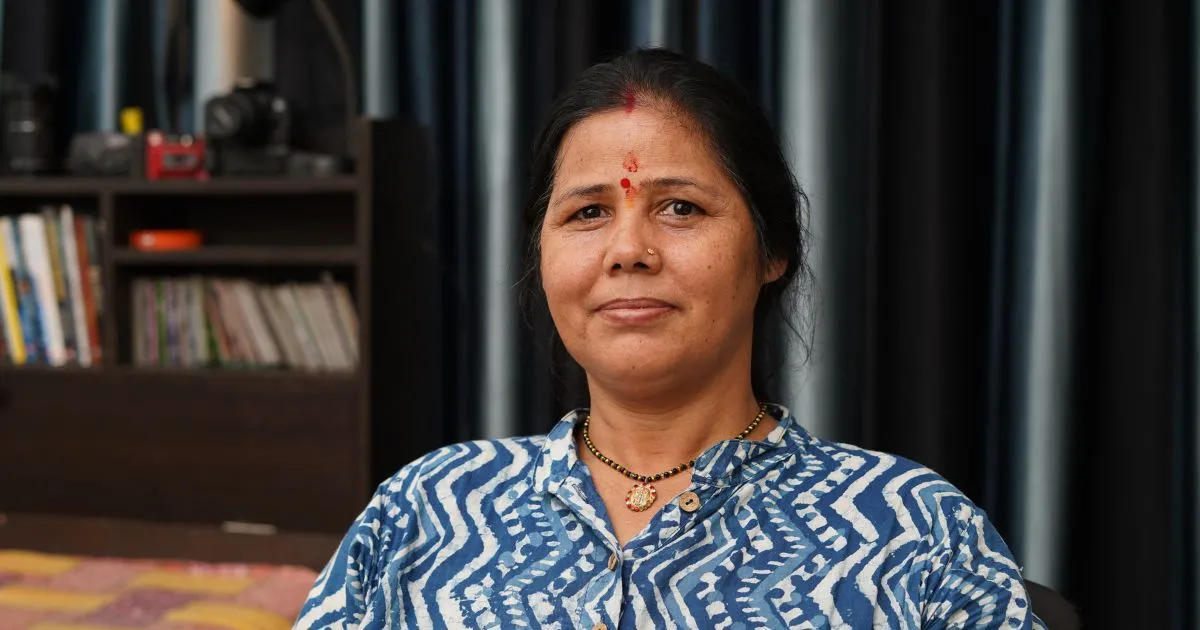
Step into any middle-income household in India, and you’ll find a woman at its core—managing, maneuvering, and making ends meet with an efficiency that would put corporate CEOs to shame. These are the ‘grahnis‘—the homemakers, the budget wizards, the crisis managers, and the emotional anchors of countless families. They don’t sit in boardrooms, but their daily negotiations with sabziwalas, their strategic investments in gold, and their unparalleled crisis-management skills could give any executive a run for their money.
The CFOs of Every Household: The Grahnis
Who decides whether this month’s budget can accommodate an extra packet of biscuits or a slightly better brand of tea? Who skillfully juggles rising school fees, unplanned medical expenses, and the ever-increasing price of LPG cylinders, all while ensuring that no one in the house feels the pinch too hard? It’s the grahni. She might not have an MBA, but she understands money better than most financial analysts.
The middle-income housewife knows how to stretch every rupee to its maximum potential. She’s a master of hidden savings—stashing away small amounts from the grocery budget, collecting cashback points from ration shops, and making mental notes of which shopkeeper gives the best deals. Her ability to plan and predict household expenses is nothing short of economic genius.
The HR Head Who Keeps It All Together: The Grahnis
A typical middle-class home is a melting pot of personalities. The ever-stressed husband trying to keep up with EMIs, the cranky in-laws with their traditional values, the hyperactive kids who demand the latest toys, and the nosy neighbors who thrive on unsolicited advice—all co-exist under one roof. And who ensures that peace is maintained? The grahni.
She knows how to handle an irritated husband returning from work with a well-timed cup of chai. She expertly maneuvers through her mother-in-law’s constant “hamare zamane mein…” lectures while also finding ways to give her children the modern upbringing they need. She is both the peacemaker and the referee in a household where tensions flare up over the smallest of things—whether it’s the wrong brand of toothpaste or who gets to control the TV remote.
The Marketing and PR Genius: The Grahnis
A grahni is also the best PR strategist within the family. She knows how to maintain the family’s ‘image’ in society, ensuring that they appear respectable and well-put-together at weddings, community gatherings, and school meetings. She networks with neighborhood women, gathers vital information about sales, scholarships, and loan options, and ensures that her children’s prospects remain strong.
She is also an expert negotiator—whether it’s convincing her husband to agree to a long-pending home repair, persuading the cable guy for a discount, or subtly hinting to her sister-in-law that it’s her turn to host Diwali this year. A grahni is always one step ahead, handling things with a mix of grace and steel.
The Emotional Backbone of the Family: The Grahnis
Amidst all the calculations, planning, and negotiations, she is also the one who holds the family together emotionally. She celebrates everyone’s victories, however small, and absorbs their failures without a word. She is the one who wakes up first and sleeps last, ensuring that the house functions like clockwork. She is the silent force that keeps things running, often without any acknowledgment or appreciation.
Why It’s Time to Acknowledge Their Worth
Despite all this, society still often reduces the role of a grahni to mere “housework.” There are no promotions, no increments, and certainly no awards for handling a household with perfection. If anything, the system penalizes homemakers—no retirement funds, no job security, and no formal recognition of their contributions to the economy.
But perhaps it’s time we start looking at these women differently. Perhaps it’s time we acknowledge that managing a middle-income household in India is no less than running an entire corporation—complete with financial planning, crisis management, HR, and public relations. Perhaps it’s time we stop asking, “Tum poora din ghar pe kya karti ho?” and start appreciating the invisible labor that keeps millions of families afloat.
So the next time you see a middle-income grahni expertly balancing her house, give her the respect she deserves. Because without her, the entire foundation of our society would crumble in an instant.