The Great Indian Identity Shift: Balancing Ethnic Pride and Economic Growth in 2026
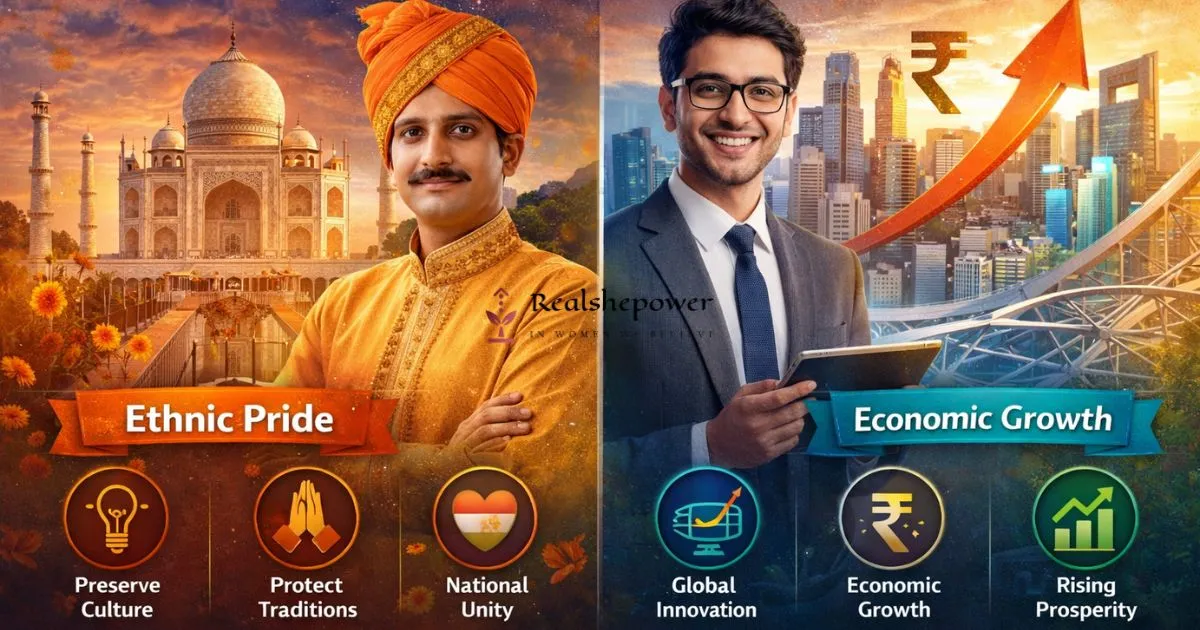
The Dual Pulse of 2026
In 2026, India stands at a crossroads. On one hand, the nation is the world’s third-largest economy, a digital powerhouse where AI-driven Global Capability Centers (GCCs) define the urban skyline. On the other hand, the foundational pulse of the country remains rooted in identity—caste, religion, and ethnicity.
The upcoming elections, particularly in Assam, serve as a microcosm for this national struggle. The central question for the 2026 voter is no longer just “Who represents my community?” but rather, “Can my identity thrive in a world that demands global skills?”
The Human Edge: Skills That Actually Matter in the AI Era
As AI reshapes jobs, discover the human skills—critical thinking, emotional intelligence, creativity, and adaptability—that will truly define success in 2026 and beyond.
Read Full Article →I. Assam 2026: The Identity Crucible
Assam has always been the frontline of identity debates in India. By 2026, the discourse around the National Register of Citizens (NRC) and the Citizenship Amendment Act (CAA) has evolved from street protests into a complex digital and legal reality.
The “Indigenous vs. Outsider” Narrative
The historical anxiety over demographic change remains a potent electoral tool. However, in 2026, the “Khilonjia” (indigenous) identity is being redefined. It is no longer just about protecting the language; it is about protecting economic stakes.
Political parties are shifting their manifestos to include “Identity-Based Economic Reservations,” promising that local ethnic groups will have the first right to jobs in the burgeoning semiconductor plants and green energy projects being established in the state under the PLI schemes.
The Digital Identity Debate
With high-speed internet penetration reaching even the remotest parts of the Majuli islands and the Karbi hills, identity politics has moved to the smartphone screen. “Hyper-localism” is trending. Small ethnic groups are using digital platforms to demand specific recognition, creating a fragmented political landscape that traditional “big tent” parties are struggling to manage.
II. Identity vs. Growth: The Modern Indian Paradox
Across India, the 2026 electoral cycle is seeing a shift in how “Vikas” (Development) is marketed. We are witnessing the rise of “Identitarian Development.”
Why Growth Alone Isn’t Enough
For the 2026 voter, abstract GDP numbers mean little if they feel their cultural footprint is shrinking. This has led to:
- Cultural Infrastructure: The building of massive museums, statues, and religious circuits alongside highways.
- Language-Tech Integration: Governments are investing in AI translation tools to provide official services in local dialects, blending tech-growth with ethnic pride.
The Cost of Polarization
While identity can mobilize voters, it creates a “Security Premium” cost. Investors in 2026 are wary of regions where identity politics leads to social unrest. The states that are winning the “Investment Race” are those that have successfully pivoted from “Conflict Identity“ to “Cultural Branding” using their heritage to attract tourism and niche manufacturing rather than as a tool for exclusion.
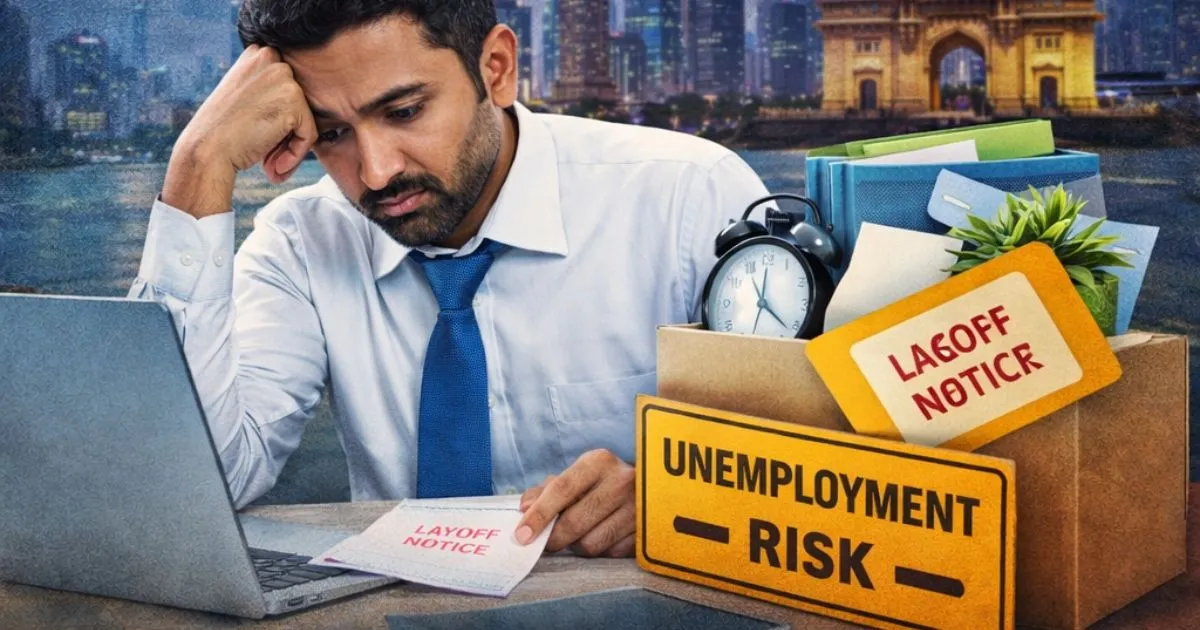
Is Your Job Safe in 2026?
Automation, layoffs, and shifting industries are reshaping India’s workforce. Discover the real risks and what it means for your career in 2026.
Read Full Analysis →III. How Politics is Shaping Youth Opportunities
For India’s Gen Z and Gen Alpha, the stakes of identity politics are deeply personal. They are the first generation to feel the “AI Wage Gap,” and they are looking to politics for a safety net.
The Employment Squeeze
In 2026, basic degrees are losing value. The youth are realizing that political promises of “government jobs” are often hollow shells in an automated world. This has led to a new demand: The Right to Reskilling.
- Politics of Skill: Youth in Assam and beyond are demanding that “Identity Protection” must include “Skill Protection.” They want state-funded AI training and incubation centers that prioritize local talent.
- The Migration Dilemma: Identity politics often discourages migration. However, the 2026 economy requires mobility. Youth are caught between the desire to stay in their “ancestral land” and the need to move to Bangalore or Hyderabad for high-paying roles.
The Rise of the “Aspirational Identity”
A significant segment of the youth is moving toward an “Aspirational Identity” where their primary self-worth is tied to their professional skill rather than their caste or creed. Political parties that ignore this “Skill-First” demographic in 2026 do so at their own peril.
IV. The Path Forward: A Synthesis for 2026
Can India move beyond the zero-sum game of identity politics? The 2026 Assam elections will provide the blueprint.
1. The Decentralization of Opportunity
To lower the heat of identity conflicts, growth must be decentralized. When a youth in Dibrugarh or Silchar has the same access to high-tech jobs as someone in Mumbai, the “Outsider” anxiety naturally diminishes.
2. Digital Transparency in Identity
Using blockchain and AI for transparent implementation of schemes like the NRC or land rights can remove the “Fear Factor” that politicians often exploit. Technology must be used to provide certainty, not just surveillance.
3. Education as the Great Equalizer
The ultimate solution to the Identity vs. Growth paradox is an education system that honors local history while teaching global languages (coding and English). In 2026, the most “protected” identity is the one that is most competent.

Growth Mindset in Children: A Parent’s Guide
Help your child build resilience, confidence, and a love for learning by developing a growth mindset from an early age.
Read Full Guide →Conclusion: The New Social Contract
The 2026 elections are not just a choice between candidates; they are a referendum on the Indian Social Contract. The “Assam Model” of 2026 shows that while you cannot and should not erase identity, you must prevent it from becoming a barrier to the future.
Modern India is a land of 1.4 billion identities, but in the AI era, they all share one common goal: The opportunity to thrive. The winners of the 2026 elections will be those who can promise the youth a world where they don’t have to choose between their roots and their reach.
Is your local political landscape focusing more on your identity or your economic future? Join the conversation below.