The Great Indian Reset: Navigating the Most Viral Travel Destinations and Policy Pivots of 2026
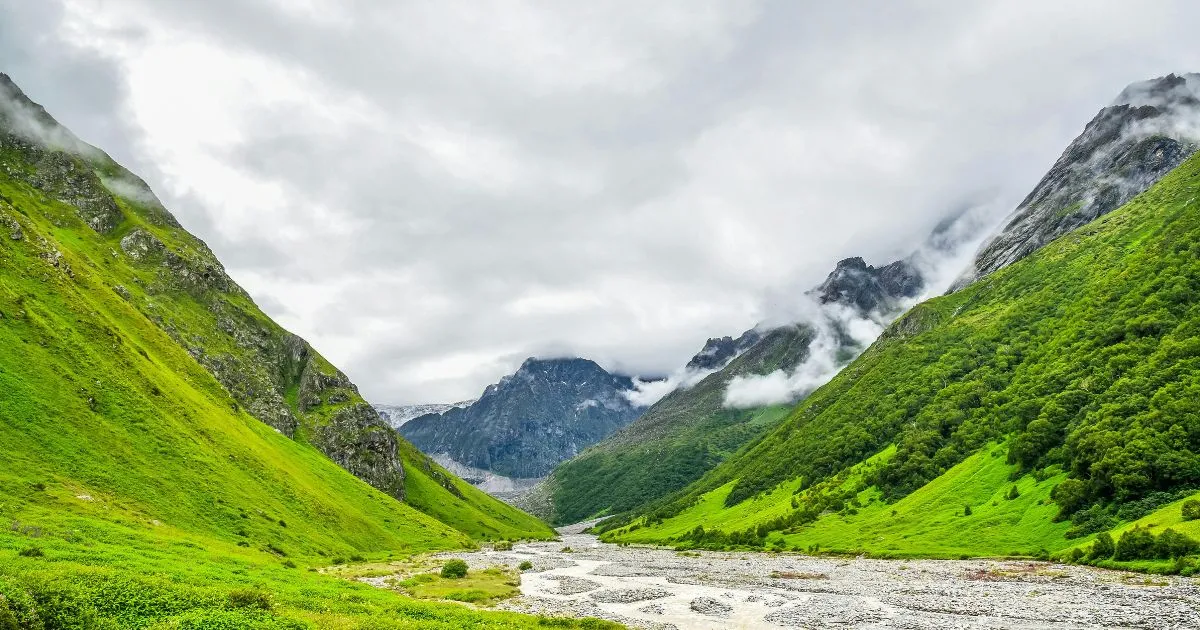
Most Viral Travel Destinations and Policy Pivots of 2026
The year 2026 has marked a definitive “hard pivot” in how India travels. No longer is the narrative restricted to the crowded alleyways of Old Delhi or the serene backwaters of Kerala. Instead, a new India is emerging—one fueled by viral digital storytelling, a massive push for green mobility, and a hunger for offbeat “soul-travel.” From the heights of the Himalayas to the tea-covered hills of Assam, the 2026 travel mandate is built on three pillars: Spirituality, Sustainability, and Surrealism.
1. The Viral Whiteout: Kedarnath’s Snowy Spectacle
In April 2026, the internet was set ablaze by footage that looked more like the Arctic Circle than North India. Kedarnath Dham, mere days before its scheduled opening on April 22, was blanketed in a staggering 3 to 5 feet of snow. Driven by an active western disturbance, this “unseasonal” snowfall turned the valley into a viral sensation.
While the Badrinath-Kedarnath Temple Committee worked tirelessly to clear routes using horses and heavy machinery, the visual impact on social media was undeniable. For the modern traveler, Kedarnath has transitioned from a purely religious pilgrimage to a “spiritual-adventure” milestone. The contrast of the ancient stone temple against a pristine, white-out landscape has redefined the “Char Dham” aesthetic for a younger, camera-ready generation.
2. The Jorhat Renaissance: India’s No. 1 Trending Hub
Perhaps the most significant statistical shock of 2026 came from Skyscanner’s Travel Trends Report, which revealed a 493% year-on-year surge in flight searches for Jorhat, Assam. Outpacing global favorites like Phuket and Berlin, Jorhat has become the face of India’s “Renaissance of the Northeast.”
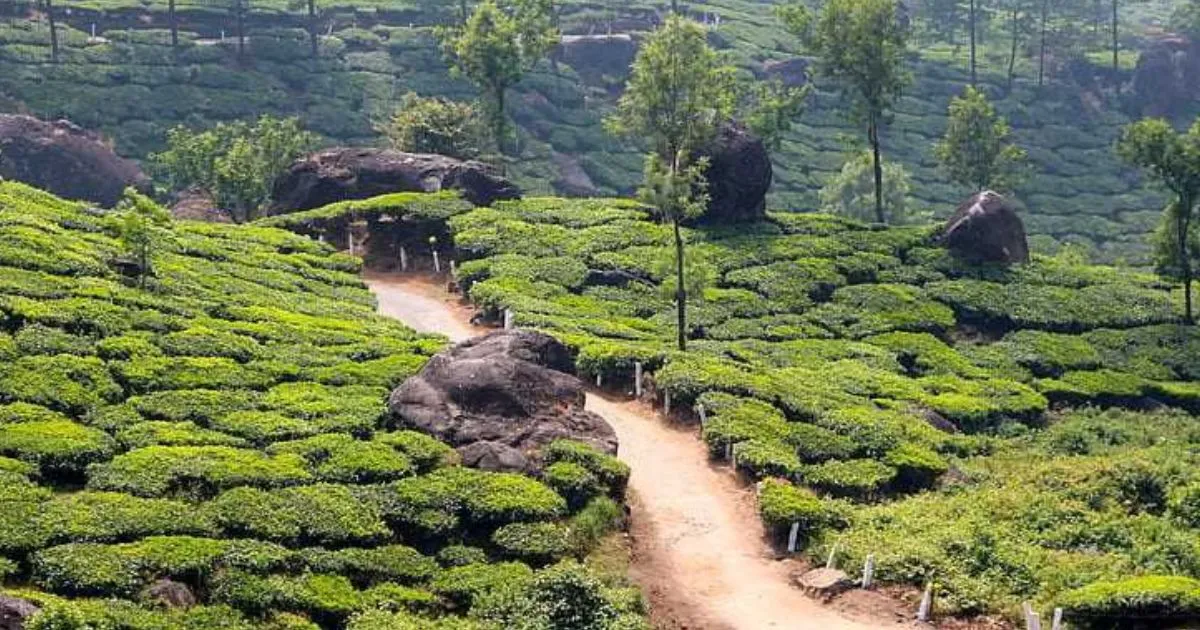
Known as the “Tea Capital of India,” Jorhat offers what the 2026 traveler craves: Authenticity.
- The Tea Life: Travelers are opting for heritage bungalow stays where they can participate in the “leaf-to-cup” process.
- Majuli Island: A short ferry from Jorhat takes visitors to the world’s largest river island, a spiritual sanctuary of Vaishnavite culture.
- Eco-Conscious Wildlife: The nearby Hoollongapar Gibbon Sanctuary provides a raw, non-commercial alternative to traditional safaris.
3. The Green Mandate: PM E-DRIVE and the Future of Mobility
The way travelers reach these destinations is changing as well. The ₹10,900-crore PM E-DRIVE scheme has introduced a critical ₹3,954-crore demand incentive that is already trickling down to the tourism sector.
In popular hubs like Rishikesh, Goa, and Srinagar, the “Electric Mandate” is visible. Electric two-wheelers and three-wheelers have become the default for last-mile connectivity. With 72,300 new public chargers being installed across tourist corridors, “range anxiety” is becoming a thing of the past. For the tourist in 2026, renting an EV isn’t just a sustainable choice; it’s the most cost-effective way to navigate India’s changing terrain.
4. Records at the Tulip Garden: The Srinagar Surge
The valley of Kashmir continues to break its own records. In the first 24 days of the 2026 season, the Srinagar Tulip Garden saw nearly 3 lakh visitors. With over 1.8 million tulips and 70+ varieties, the garden has become a centerpiece for India’s “Spring Tourism” push. The surge is supported by improved infrastructure, including the nearly completed Chennai–Bengaluru Expressway and enhanced air connectivity to Tier-II cities.
5. The Rise of “Slow Travel” and Global Diplomacy
India’s 2026 travel scene is also being shaped by global events like the Global Big Cat Summit, where leaders from 95 countries converged to discuss eco-tourism diplomacy. This has shifted the focus toward “Slow Travel” spending weeks in a single region rather than rushing through five cities in seven days.
Whether it’s the turtle trails of Odisha, the bird-watching paths of Pulicat Lake, or the luxury eco-resorts of the Andaman Islands, the goal is immersion. The Union Budget 2026–27 has further cemented this by proposing “Cultural Corridors” and the upskilling of 10,000 tourist guides at iconic destinations.
A New Way to See India
The mandate for the 2026 traveler is simple: Pivot toward the path less traveled. Whether you are following a viral snow video or exploring a carbon-neutral village in Meghalaya, the “Great Indian Reset” is an invitation to see the world’s most vibrant nation through a lens of sustainability and wonder.