The Tirthan Valley: The Gateway to the Great Himalayan National Park
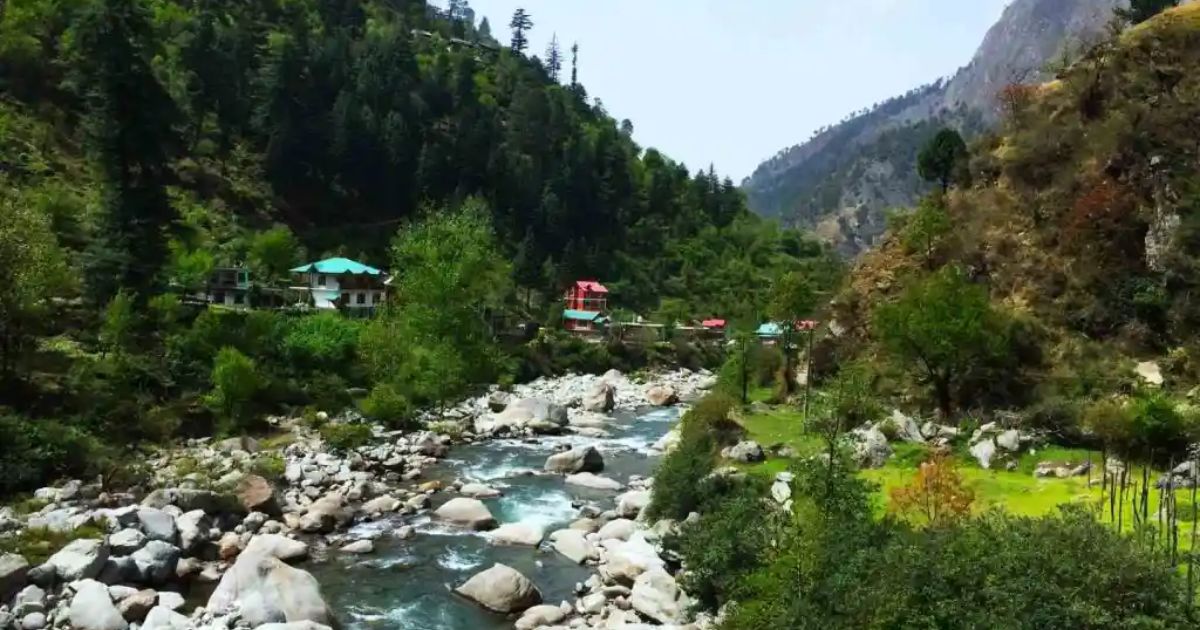
While other valleys in Himachal Pradesh are defined by their social scenes or high-altitude deserts, Tirthan Valley is defined by its pristine, untouched nature. Located in the Kullu district, it is perhaps the best-preserved secret of the Himalayas, acting as the primary buffer zone for the UNESCO World Heritage site, the Great Himalayan National Park (GHNP).
The River of Glass
The soul of the valley is the Tirthan River, a crystal-clear spring-fed river that originates from the icy heights of Tirth. It is one of the few rivers in India that has remained “untouched” by hydroelectric projects, making it a sanctuary for Brown and Rainbow Trout. The water is so transparent that you can often count the pebbles on the riverbed from the banks.
Into the Wild
The valley is a haven for those who prefer hiking boots over backpacks and bird songs over music:
- The GHNP Gate: A hike into the national park reveals a world of ancient oak forests and hidden waterfalls. It is home to rare species like the Western Tragopan (a vibrant, elusive pheasant) and the snow leopard.
- Serolsar Lake: A trek through a dense forest of oak trees leads to this sacred lake, which remains remarkably clean despite the surrounding foliage—legend says the local birds pick every fallen leaf out of the water.
- Traditional Architecture: Villages like Jibhi and Gushaini feature “Kath Kuni” architecture—interlocking wood and stone structures built to withstand earthquakes without a single nail.
The Quiet Life
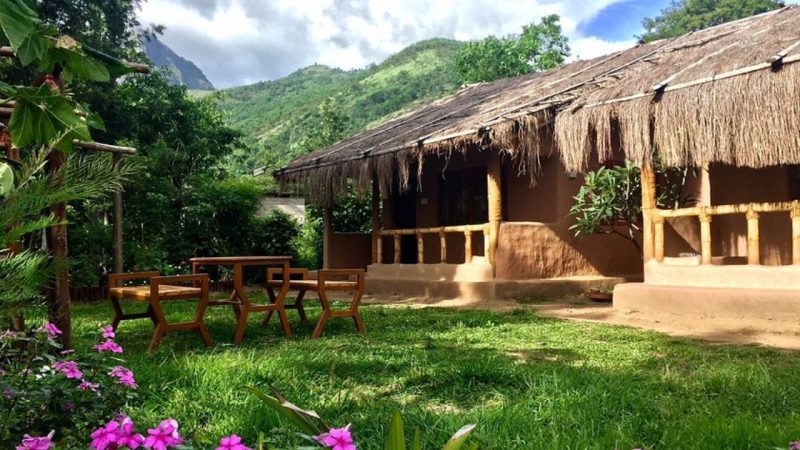
Life in Tirthan moves at the speed of a falling leaf. There are no shopping malls or massive hotel chains here; instead, you’ll find cozy riverside homestays and wooden cottages. It is a place for slow travel—spending the morning fly-fishing, the afternoon reading by a waterfall, and the evening by a bonfire under a canopy of stars that feel close enough to touch.
Why It’s Unique
Tirthan isn’t about “doing” things; it’s about “being” there. It is the perfect destination for anyone looking to escape the “over-tourism” of popular hill stations and reconnect with a version of the mountains that feels like it hasn’t changed in centuries.