The Nomadic Soul: Living the Rhythm of the High Himalayas

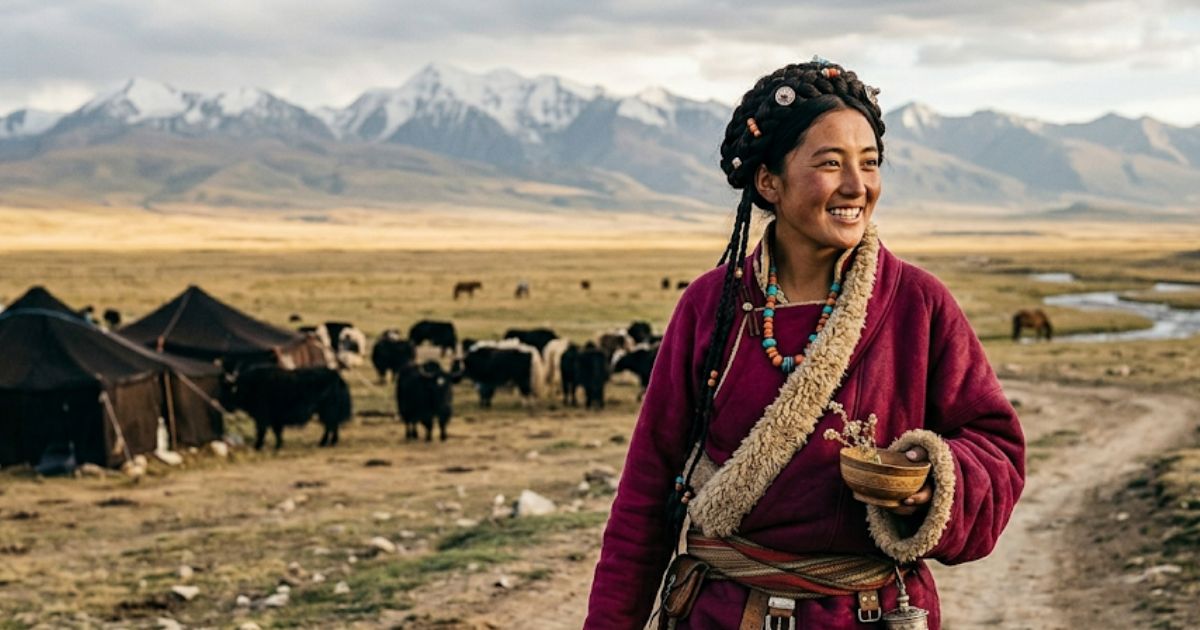
Beyond the monastery walls and the bustling markets of Leh or Lhasa lies the true heartbeat of the Tibetan Plateau—the Drokpa, or nomads. For centuries, these resilient communities have navigated the world’s highest altitudes, living in a delicate, symbiotic dance with the elements and their livestock.
The Black Tent: A Portable Universe
The center of nomadic life is the Ba, a large tent woven from coarse black yak hair. These structures are engineering marvels of the plateau:
- Weather-Adaptive: The weave is loose enough to let smoke out and sunlight in during the day, but when it rains or snows, the fibers swell, making the tent waterproof.
- The Hearth: Inside, the stone stove is the spiritual and physical center. It is never allowed to go cold, fueled by dried yak dung—the only reliable fuel source in a treeless landscape.
A Day Measured in Livestock
The nomadic clock isn’t set by hours, but by the needs of the herd. Yaks and sheep are the “banks” of the plateau, providing everything needed for survival.
| Resource | Usage in Nomadic Life |
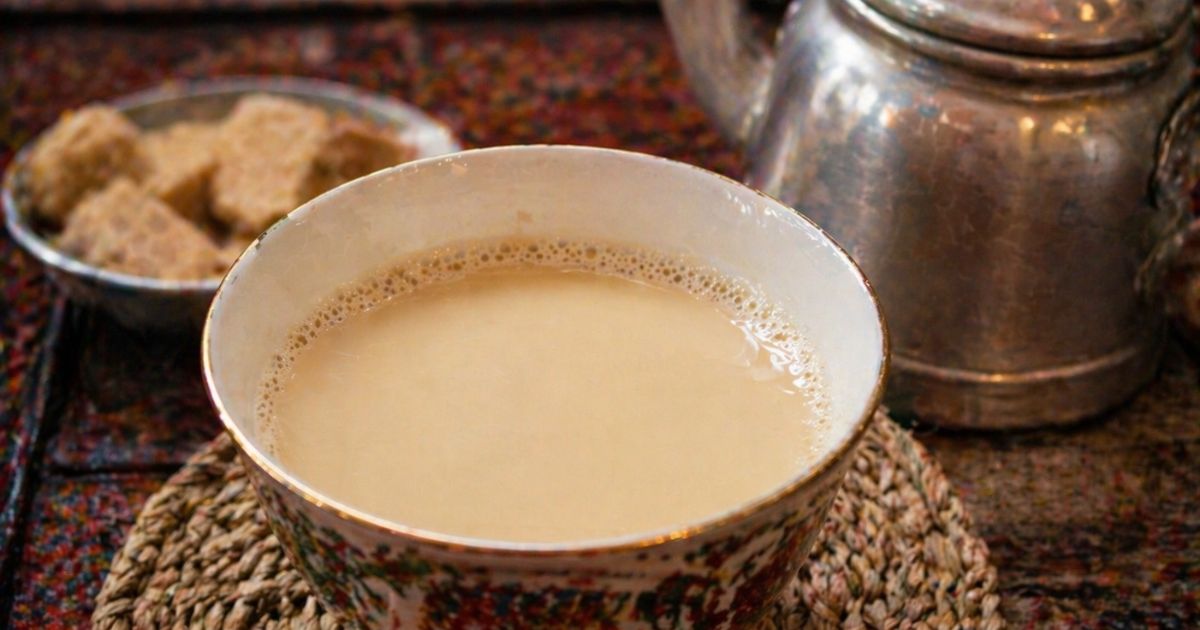
| Milk & Butter | Essential calories and the base for Po Cha (butter tea). |
| Wool & Hair | Woven into clothing (Chuba), ropes, and the tents themselves. |
| Dung | The primary fuel for cooking and heating the Ba. |
| Meat | Air-dried or slow-cooked to sustain the family through the brutal -40°C winters. |
The Philosophy of “Moving Light”
Tibetan nomadism is defined by transience. They do not own the land; they follow the grass. This constant movement has fostered a culture of profound detachment and hospitality. When a nomad meets a stranger, the immediate response is to offer a bowl of tea and a seat by the fire. In a landscape where the weather can turn deadly in minutes, communal support isn’t just a virtue—it is a survival strategy.
“We do not follow the path; we follow the seasons. When the grass is green, we are rich. When the snow is deep, we are patient.” — Traditional Drokpa Proverb