Maa Varahi Shakti Shrines to See in India in 2026
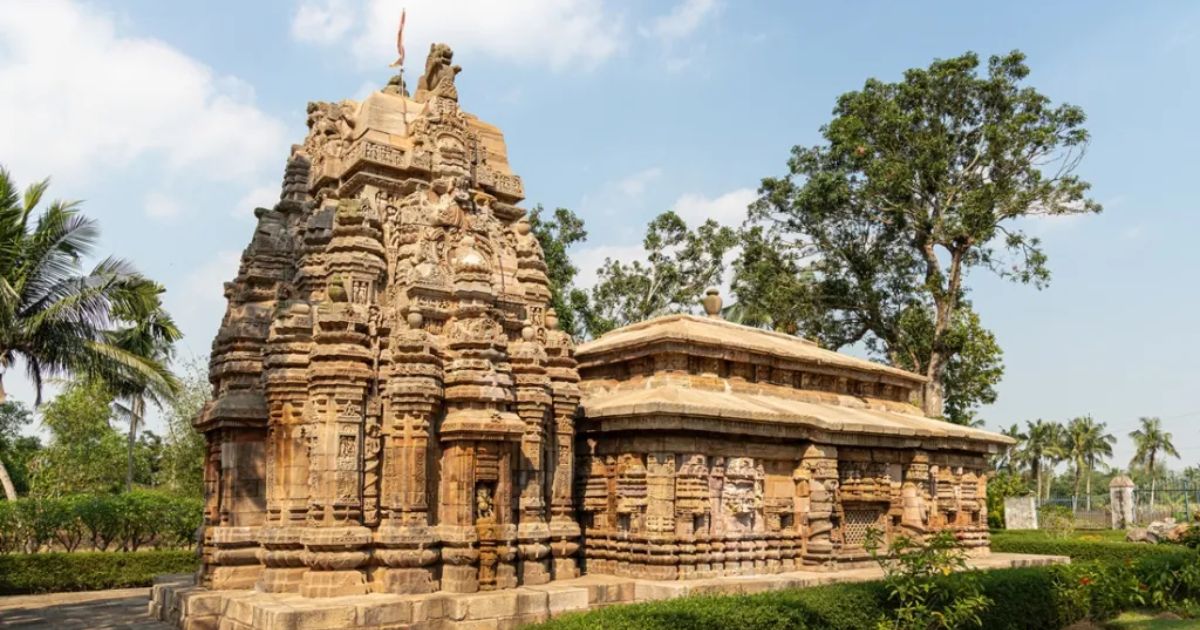
In the vast and intricate pantheon of the Hindu Divine Feminine, there are deities who preside over the light of day, and then there are those who command the shadows. Maa Varahi, the boar-headed goddess and one of the seven Matrikas (Mother Goddesses), belongs to the latter. As the feminine energy of Varaha, the third avatar of Lord Vishnu, she represents the primal force required to lift the world out of darkness.
In 2026, as travelers increasingly seek “Transformational Travel” journeys that offer more than just a change of scenery—the ancient and often secretive shrines of Maa Varahi have become focal points for those exploring the esoteric roots of Shaktism. To visit a Varahi temple is to step into a space of fierce protection, grounded energy, and the “Patal” (subterranean) mysteries of the earth.
The Iconography of Power: Decoding the Boar-Headed Queen
To write about Maa Varahi, one must first understand her striking form. She is usually depicted with the head of a boar and the body of a woman, often with a dark complexion. In her hands, she carries a variety of weapons, but most significantly a plow and a pestle—tools of the earth that signify both creation and destruction.
In the hierarchy of the Goddess Lalita Tripura Sundari, Varahi is the Dandanayaka or Commander-in-Chief of the celestial army. She is the force that clears the path, removing the most stubborn obstacles with the sheer strength of her tusks. For the modern seeker, she symbolizes the ability to “dig deep” into the subconscious, unearthing hidden truths and rooting out the ego.
The Chola Jewel: Varahi Amman of Thanjavur
Our deep-dive begins in the heart of Tamil Nadu, at the Great Living Chola Temples. Within the sprawling complex of the Brihadeeswara Temple in Thanjavur—a UNESCO World Heritage site—lies a shrine that holds a unique place in the hearts of the locals: the Varahi Amman Temple.
The 2026 Experience
In 2026, Thanjavur has successfully integrated high-tech visitor management with its thousand-year-old stone walls. While the main Vimana of the Brihadeeswara temple draws the crowds for its sheer scale, the Varahi shrine draws those seeking specific boons. It is said that no major task in the Thanjavur region begins without a prayer to the “Commander.”
The Ritual of Alankaram
The Thanjavur Varahi is famous for her daily Alankaram (decoration). Depending on the day or the phase of the moon, she may be adorned entirely in turmeric, sandalwood paste, or even pomegranate seeds. The sight of the dark stone goddess glowing under the golden hue of turmeric in the dim, oil-lit sanctum is an image that stays with a traveler forever.
Travel Tip:
The evening Aarti here is a powerful experience. As the temple bells echo through the massive granite corridors of the Chola complex, the transition from the golden hour to nightfall perfectly mirrors the energy of the goddess.
The Architectural Mystery: Chaurasi Varahi, Odisha
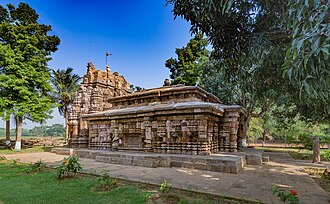
Moving northeast to the Prachi Valley near the Konark Sun Temple, we find a different manifestation of the goddess. The Chaurasi Varahi Temple is an architectural anomaly. Built in the 9th century, it follows the Khakhara style—a rare design reserved for Tantric shrines, characterized by its wagon-vaulted roof.
A Glimpse into the Past
The deity here is a masterpiece of medieval sculpture. This Varahi is two-armed, seated in a relaxed posture, holding a fish in one hand and a skull cup (Kapala) in the other. This iconography links her directly to the esoteric Tantric practices of ancient Odisha.
Slow Travel in the Prachi Valley
In 2026, the Chaurasi region remains blissfully untouched by mass tourism. For the travel journalist, it offers a “Slow Travel” narrative. The temple is surrounded by lush groves and small ponds, and the silence is broken only by the chirping of birds and the quiet chants of the local pujari. It is a place for contemplation rather than commerce.
The Subterranean Force: Varahi Devi of Gonda
In the northern plains of Uttar Pradesh, near the city of Gonda, lies the Patal Puri Varahi Devi temple. This shrine provides perhaps the most literal interpretation of the goddess’s connection to the earth.
Descending into Patal
Unlike temples that reach for the sky with towering Gopurams, this shrine requires devotees to descend. The main deity is located in a lower chamber, or Patal. This mirrors the legend of Lord Varaha diving into the cosmic ocean to rescue the Earth Goddess, Bhudevi.
The Grounding Ritual
The energy in the Gonda shrine is described by pilgrims as “heavy” and “stabilizing.” In 2026, the temple has become a significant site for those practicing grounding meditations. The local tradition involves offering root vegetables—potatoes, radishes, and carrots—acknowledging the goddess as the provider of all that grows beneath the soil.
Practical Survival Guide for the 2026 Varahi Yatra
| Category | Advice for Travelers |
| Best Time | The Ashada Navaratri (June-July) is her main festival. It is a period of intense ritual activity and vibrant cultural performances. |
| Offerings | Varahi is a “Ugra” (fierce) but motherly deity. Offerings of red flowers, pomegranates, and food prepared with black lentils (Urad Dal) are common. |
| Photography | Most Varahi shrines are highly traditional. Always ask permission before filming, especially during Tantric rituals. |
| Navigation | Use the 2026 Vande Bharat rail connections to reach Thanjavur and Bhubaneswar easily; Gonda is well-connected via the Lucknow rail hub. |
The Cultural Impact: Varahi in the Modern Age
In 2026, the resurgence of interest in Maa Varahi isn’t limited to traditional devotees. She has become a symbol of Feminine Agency. In a world grappling with environmental crises, the “Boar-Headed Goddess” who protects the Earth is seen as a relevant icon for ecological conservation and the “Earth-First” movement.
Many young Indian artists and content creators are reimagining Varahi in digital art, focusing on her role as the “Midnight Commander”—the one who fights the battles we cannot see. This cultural shift has brought a younger, tech-savvy demographic to these ancient stone shrines, creating a fascinating bridge between 9th-century tantra and 21st-century digital storytelling.
Conclusion: Finding Strength in the Shadows
The journey through the shrines of Maa Varahi is a journey into the depths of the self. Whether it is through the Chola grandeur of Thanjavur, the architectural stillness of Odisha, or the subterranean depths of Gonda, the goddess offers a consistent message: true strength comes from being grounded.
As the final part of our 2026 “Divine Power” series, the exploration of Varahi reminds us that the spiritual landscape of India is not just about the heights of the Himalayas or the banks of the Ganges. It is also found in the quiet, fierce corners where the “Midnight Commander” stands guard, ensuring that even in the darkest times, the earth remains protected and the path remains clear.
Next in our Travel Series: We leave the temple trails for the emerald landscapes of the Northeast. Get ready for a immersion into the Ziro Valley: Music, Apatani Culture, and the art of Sustainable Living.