The Magic of Ziro Valley India’s Hidden Paradise
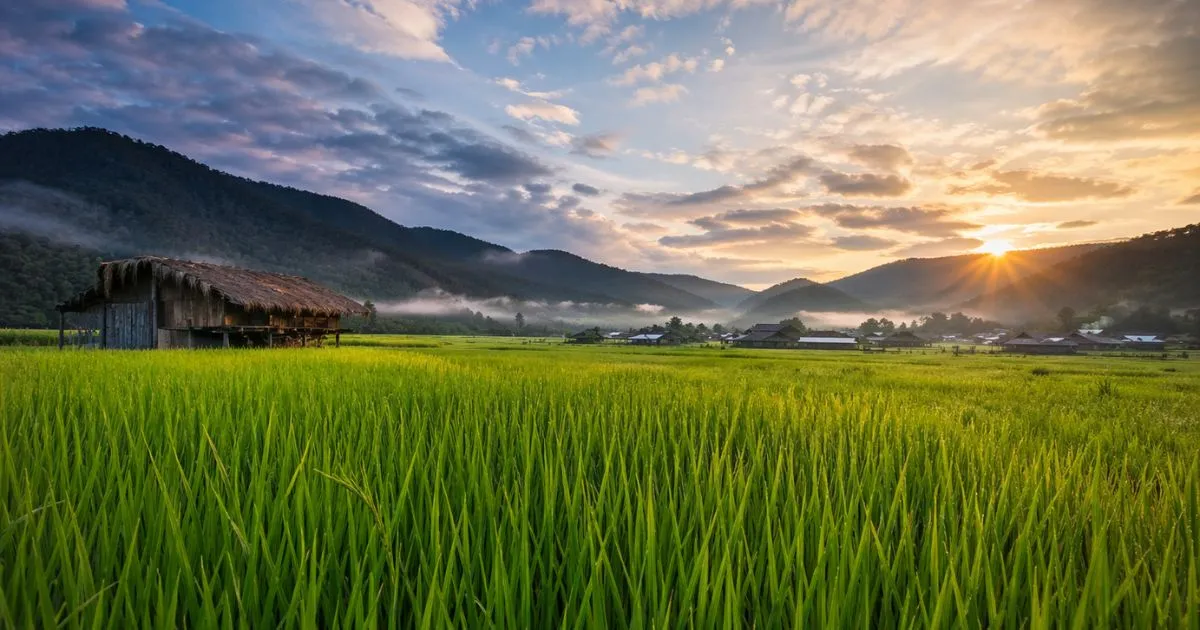
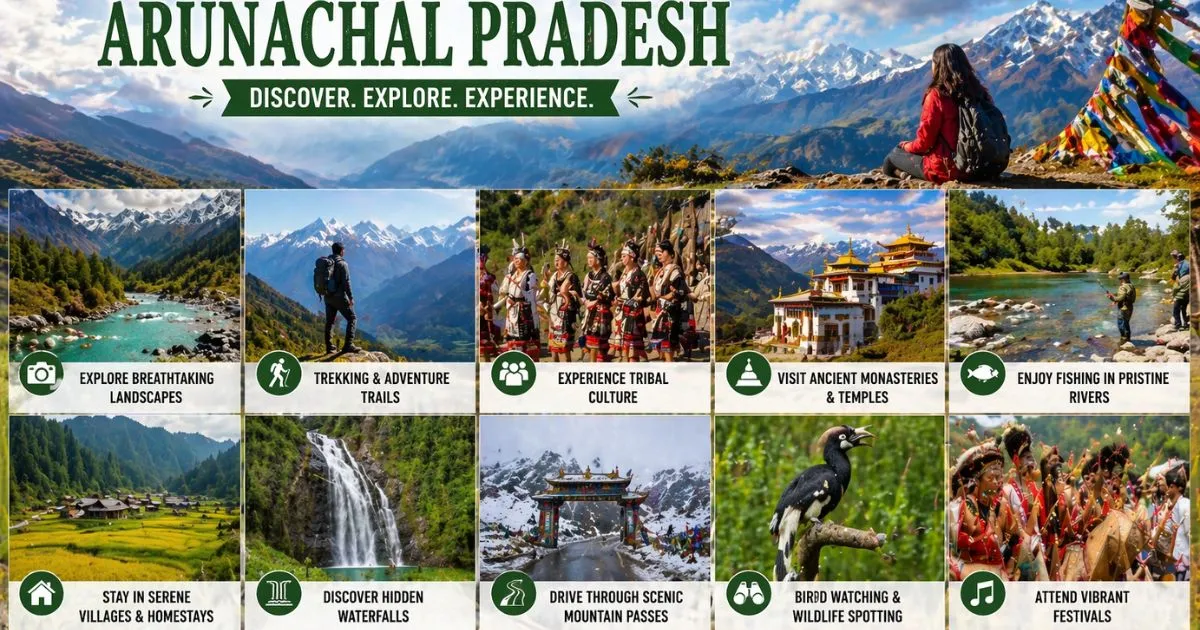
In the far-flung corners of Arunachal Pradesh, where the Eastern Himalayas begin to fold into the verdant valleys of the Lower Subansiri district, lies a place that feels less like a destination and more like a living, breathing poem. Ziro Valley, perched at an altitude of 1,500 meters, is a landscape of high-altitude serenity, ancient wisdom, and a silence so profound it has become the ultimate sanctuary for the modern traveler.
While much of the world has spent the last decade accelerating, Ziro has perfected the art of the pause. Home to the Apatani tribe, this UNESCO World Heritage tentative site offers a rare glimpse into a civilization that has mastered the delicate balance between human progress and ecological preservation.
1. The Guardians of the Valley: Understanding the Apatani
The heartbeat of Ziro Valley is its people. The Apatanis (or Tanii) are one of the major ethnic groups of the eastern Himalayas, and their cultural identity is inseparable from the land they inhabit. Historically, the tribe became world-renowned for the facial tattoos and large bamboo nose plugs (Yaping Hullo) worn by their elder women—a tradition that, while no longer practiced by the younger generations, remains a powerful symbol of a defiant and unique heritage.
The Apatanis are traditionally nature worshippers, following the Donyi-Polo faith, which centers on the sun (Donyi) and the moon (Polo). Their society is governed by a vibrant village council called the Bulyañ, ensuring that communal harmony and traditional laws remain the bedrock of daily life. Walking through villages like Hong (one of the largest traditional villages in Asia), Hari, or Hija, you aren’t just a tourist; you are a witness to a social fabric that has remained intact for centuries.
2. An Agricultural Masterpiece: Rice, Fish, and Wisdom
Ziro’s most striking visual feature is its emerald-green landscape, but there is a scientific brilliance beneath the beauty. Unlike the terraced farming seen in the Western Himalayas, Ziro is a flat valley where the Apatanis have developed an ingenious wet rice cultivation system.
What makes it extraordinary is the integration of pisciculture. In the same paddies where rice grows, the Apatanis rear fish. This symbiotic relationship ensures that the fish fertilize the soil while the rice provides a sheltered habitat for the aquatic life. This system is managed entirely without the use of farm animals or heavy machinery, relying instead on traditional ecological knowledge and a complex network of bamboo irrigation channels.
A visit to the Tarin Fish Farm offers a closer look at this high-altitude engineering, proving that “sustainability” isn’t a modern buzzword here—it’s a survival skill passed down through generations.
3. The Soundtrack of the Pines: Ziro Festival of Music
While Ziro is a sanctuary of silence for most of the year, it transforms every September into the indie music capital of India. The Ziro Festival of Music (ZFM) has gained global acclaim not just for its eclectic lineups, but for its commitment to the environment.
The festival is a masterclass in eco-friendly event management. The stages are constructed entirely from locally sourced bamboo, and the “leave no trace” policy is strictly enforced. It is a place where melodies meet the mist, and where travelers from across the globe gather to camp under the stars, listen to soulful folk-rock, and share stories around communal fires. It is perhaps the only music festival where the backdrop—the swaying pines and the rolling hills—is as much a headliner as the artists on stage.
4. Biodiversity and Exploration: Beyond the Villages
For the restless soul, Ziro offers more than cultural immersion. The valley is surrounded by dense forests that house some of the most exotic flora and fauna in the Northeast.
- Talley Valley Wildlife Sanctuary: Located 30 km from Ziro, this sanctuary is a biodiversity hotspot. It is home to the elusive clouded leopard, the Himalayan monal, and a staggering variety of orchids and ferns. The trek through the sanctuary feels like stepping back into a prehistoric era, with giant silver fir trees and bamboo groves that block out the sun.
- Kile Pakho Ridge: For the best view of the valley, a hike to Kile Pakho is essential. From this vantage point, you can see the plateau on one side and the snow-capped Himalayan peaks on the other.
- Meghna Cave Temple: This 5,000-year-old cave temple, dedicated to Lord Shiva, offers a spiritual pause. Perched at 300 feet, it provides a panoramic view of the surrounding forests and the meandering rivers below.
5. The Culinary Soul: Bamboo, Smoke, and Fermentation
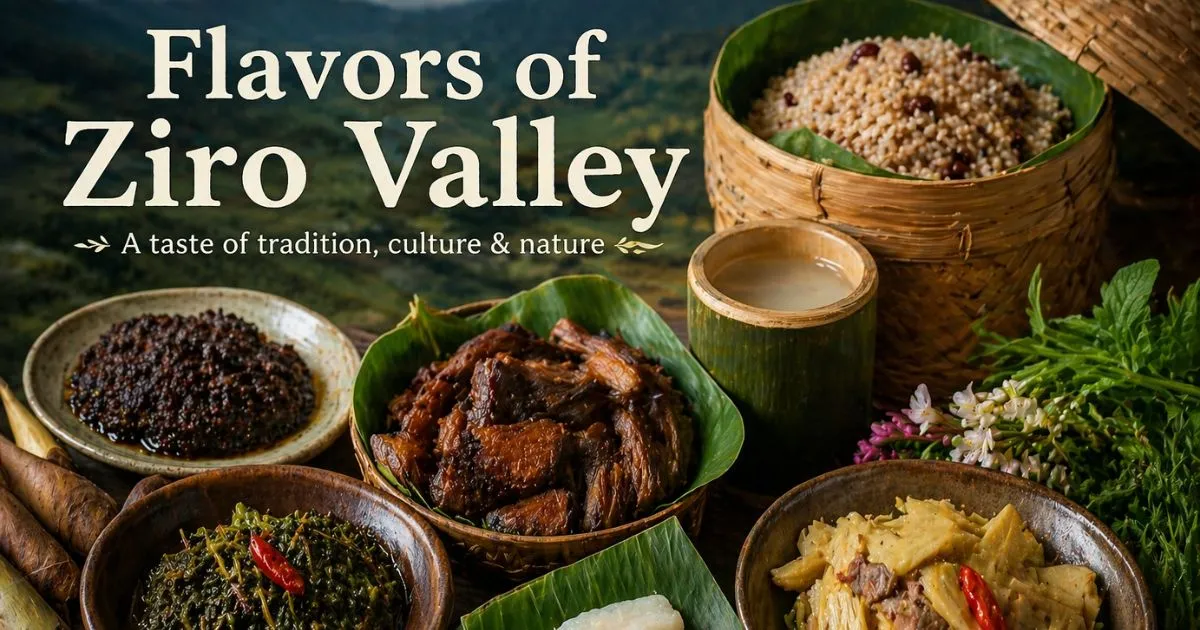
To understand Ziro, you must taste it. Apatani cuisine is a testament to the bounty of the forest and the farm. It is healthy, organic, and deeply flavorful.
- Pika Pila: A local pickle made from bamboo shoots and pork fat, seasoned with king chilies.
- Sududu: A traditional dish where meat and bamboo shoots are stuffed into bamboo hollows and roasted over an open fire.
- Bhoe-Jha: The traditional mountain tea, often salty and buttery, which serves as a social lubricant in every Apatani household.
- Apong: No visit is complete without trying the local rice or millet beer. It is served in bamboo mugs and is a staple at every festival and gathering.
6. Travel Logistics: Navigating the 2026 Season
Reaching Ziro remains an adventure in itself, which has helped preserve its charm from the pitfalls of over-tourism.
- Getting There: The nearest airport is in Itanagar (Hollongi), followed by a 4-5 hour drive. Alternatively, the Naharlagun railway station is the closest rail link.
- Permits: Remember that all visitors (Indian and International) require an Inner Line Permit (ILP) or a Protected Area Permit to enter Arunachal Pradesh.
- The Best Time to Visit: * March to April: For the Myoko Festival, a month-long celebration of friendship and shamanic rituals.
- September: For the Music Festival and the greenest views of the paddy fields.
- Late October: For the harvest season, when the valley turns from emerald green to a shimmering gold.
7. The 2026 Perspective: Why Ziro Matters Now
As we navigate 2026, the global travel trend has shifted toward “Intentionality.” We no longer just want to see a place; we want to understand our relationship with it. Ziro Valley stands as a lighthouse for this movement.
Whether it’s participating in a large-scale Cherry Blossom plantation drive (like the one held this April at Siikhe Lake) or staying in a local homestay where your presence directly supports the community, Ziro teaches us that travel can be a restorative act—not just for the traveler, but for the destination itself.
In the quiet corners of the valley, as the mist rolls over the bamboo groves and the sound of a distant flute echoes from a farmhouse, you realize that Ziro isn’t just a place on a map. It is a reminder that a simpler, more harmonious way of life isn’t a thing of the past—it’s a viable, beautiful path for the future.
Summary Table: Ziro at a Glance
| Feature | Highlight |
| People | Apatani Tribe (UNESCO Tentative Site) |
| Agriculture | Integrated Rice-Fish Farming |
| Best For | Slow Travel, Music, Biodiversity, Photography |
| Major Festival | Dree (July), Myoko (March/April), ZFM (Sept) |
| Must-Visit | Talley Valley, Hong Village, Siikhe Lake |
| Current Vibe | Lush, rainy, and peaceful (Pre-Summer season) |