The Emerald Heart of the Amazon: The Flooded Forest of Mamirauá
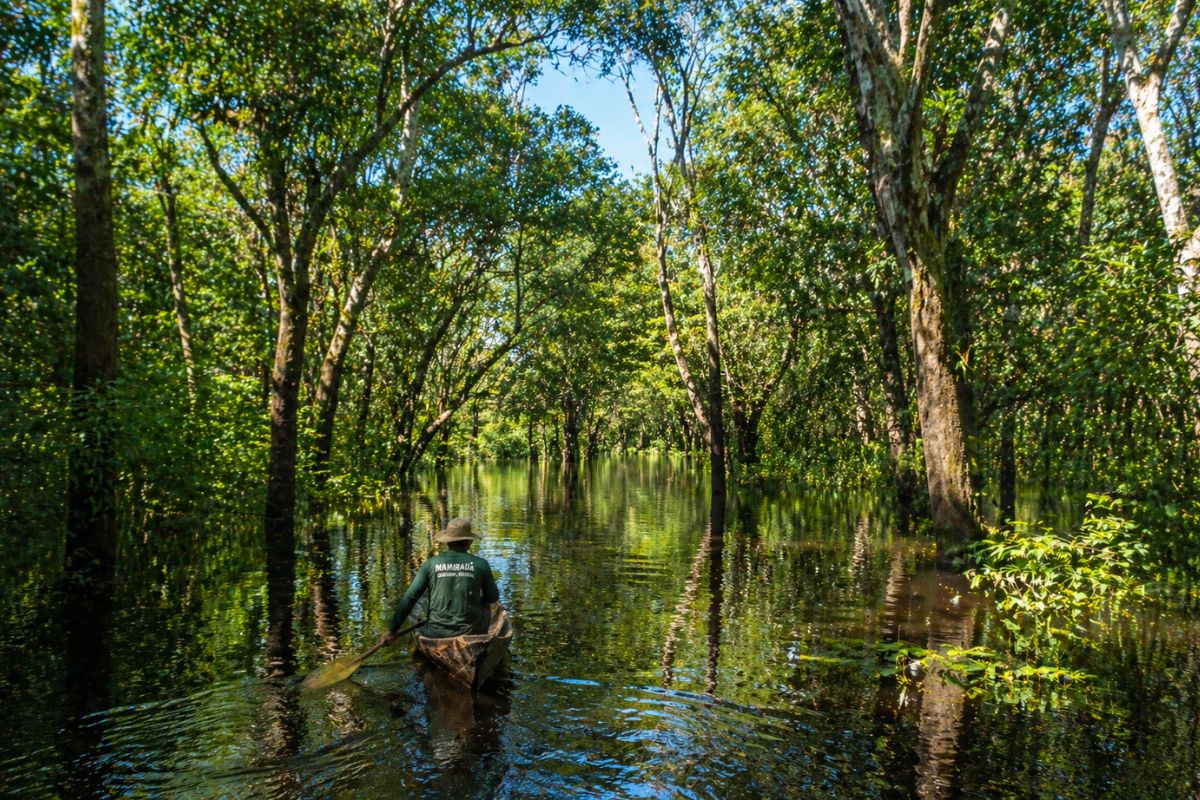
While most Amazon travelers head to the jungle to walk under towering canopies, there is a hidden pocket of Brazil where the ground disappears for half the year. This is the Mamirauá Sustainable Development Reserve, the largest protected area of flooded forest (várzea) in the world.
Located at the confluence of the Solimões and Japurá rivers, Mamirauá is a place where geography is fluid. It is a world that breathes with the water, shifting from a solid forest to a sprawling inland sea every single year.
1. The Mirror World: Life at the Waterline
In Mamirauá, the water level rises by nearly 36 feet (11 meters) during the flood season. This transformation turns the jungle into a silent, aquatic labyrinth.
- Canoe Safaris: Unlike other parts of the Amazon where you hike, here you explore in silent wooden canoes. You glide through the upper branches of trees, eye-to-eye with orchids and Bromeliads that are usually hundreds of feet above the ground.
- The Reflection: During the “High Water” season (May to July), the water becomes so still and dark with tannins that it acts as a perfect black mirror. It becomes impossible to tell where the forest ends and the reflection begins.
2. The Red-Faced Mystery
Mamirauá was created specifically to protect one of the world’s rarest primates: the Bald Uakari.
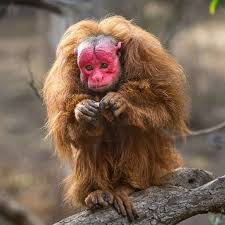
- The Face of the Forest: These monkeys are unmistakable, with shaggy white coats and startlingly bright red, hairless faces. In local folklore, they are said to have “shame in their faces,” but in reality, the red color is a sign of health.
- The Arboreal Shift: Because the forest floor is gone for months, every creature here has adapted to a life in the trees—including jaguars. Mamirauá is one of the only places on Earth where jaguars have been documented living entirely in the canopy during the floods, hunting sloths and monkeys without ever touching dry land.
3. The Floating Community
The human residents of Mamirauá live in total harmony with the flood. The local Ribeirinhos (river people) live in floating houses that rise and fall with the river.
- The Uakari Lodge: If you visit, you stay in a floating eco-lodge. Your bedroom, the dining hall, and the research center are all buoyant. You fall asleep to the sound of pink river dolphins breathing just outside your window and wake up to the roar of howler monkeys.
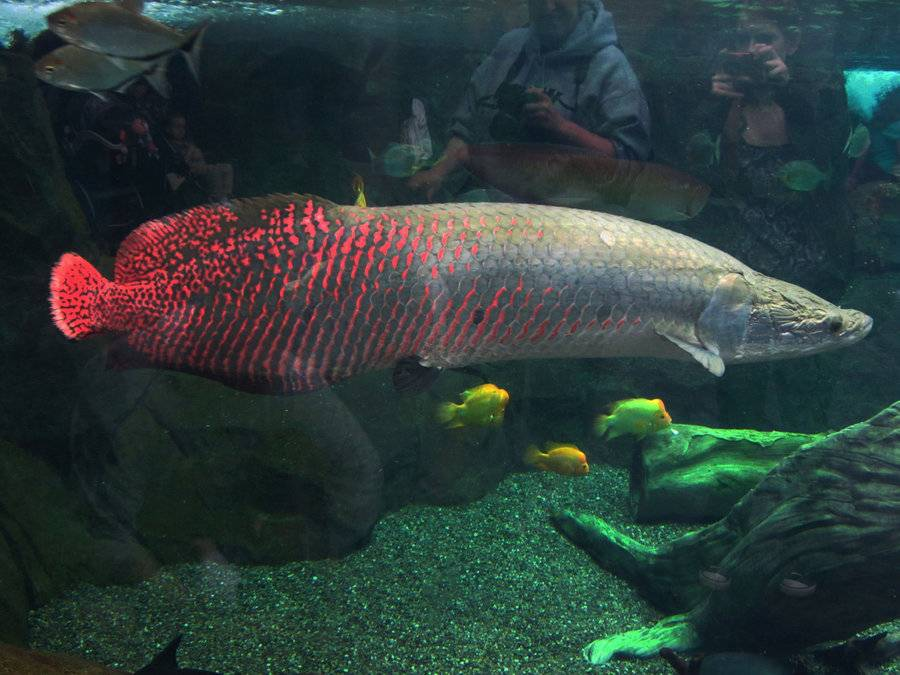
- Sustainable Success: Mamirauá is a global model for conservation. The local communities manage the fishing and tourism, ensuring that the legendary Arapaima (the world’s largest scaled freshwater fish) and the monkeys thrive alongside the people.
4. Why You Should Go At Least Once
You should go to Mamirauá because it is a lesson in fluidity. It challenges the idea that a forest must be “land.” It is one of the most serene places on the planet—a silent, emerald world where the only sound is the dip of a paddle and the splash of a caiman.
It is scenic in a way that feels immersive rather than distant. You aren’t just looking at the Amazon; you are floating within its very heart.
5. Practical Guide for 2026
- The Access: Fly into Manaus, then take a small plane to the town of Tefé. From Tefé, it’s a 90-minute speedboat ride deep into the reserve.
- The Seasons: * High Water (May-July): Best for canoeing through the treetops and seeing the “mirror forest.”
- Low Water (September-November): Best for seeing caimans and the massive Arapaima fish in the shrinking channels.
- The Connection: In 2026, the reserve remains low-impact. There is limited Wi-Fi and solar power, making it the perfect place to truly “unplug.”