Why Socotra Island is the Last Great Frontier on Earth
In a world mapped to the millimeter by satellites and geotagged to death by influencers, the idea of a “lost world” feels like a mid-century literary trope. We assume every corner of the planet has been polished for tourism, sanitized for safety, and filtered for Instagram.
Then, there is Socotra.
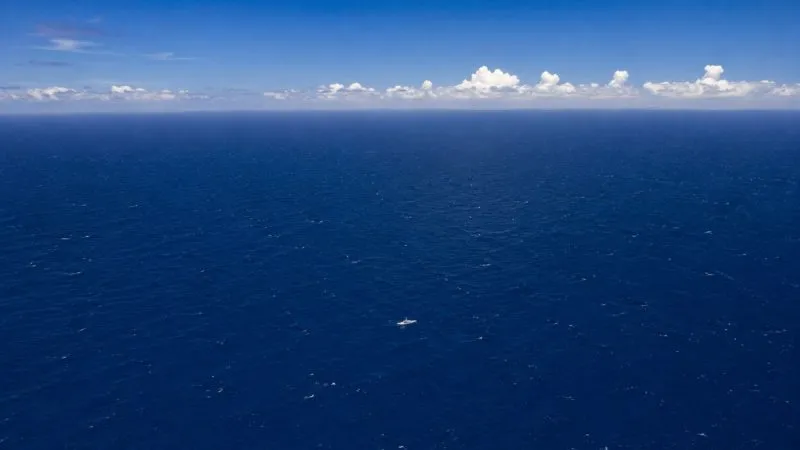
Rising from the turquoise depths of the Indian Ocean, roughly 250 miles off the coast of Yemen, Socotra is not just a destination; it is a glitch in the biological matrix. It is a place so profoundly strange, so visually defiant of earthly norms, that it has earned the moniker “The Galápagos of the Indian Ocean.” Yet, unlike its Pacific counterpart, Socotra remains largely unheard of by the mainstream traveler.
If you are looking for a place that will fundamentally rewire your understanding of “scenic beauty,” Socotra is the one place you must see at least once in your lifetime.
1. The Landscapes of a Fever Dream
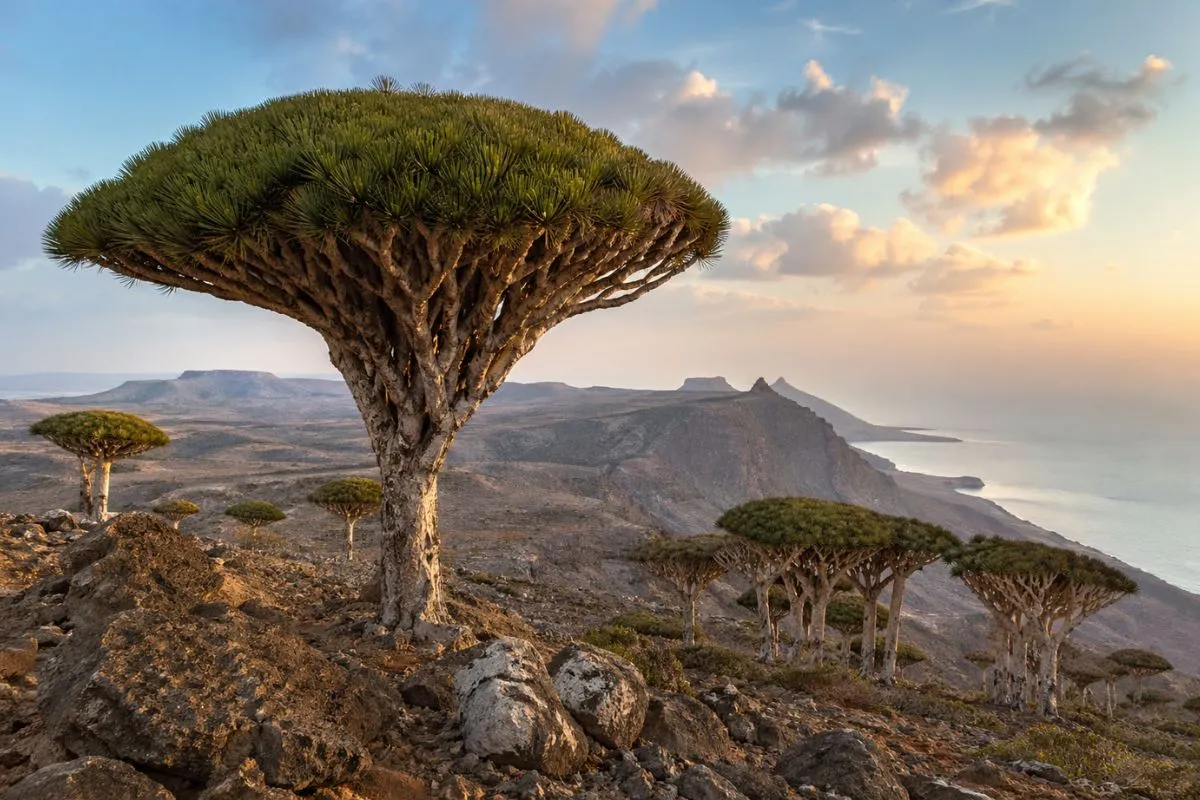
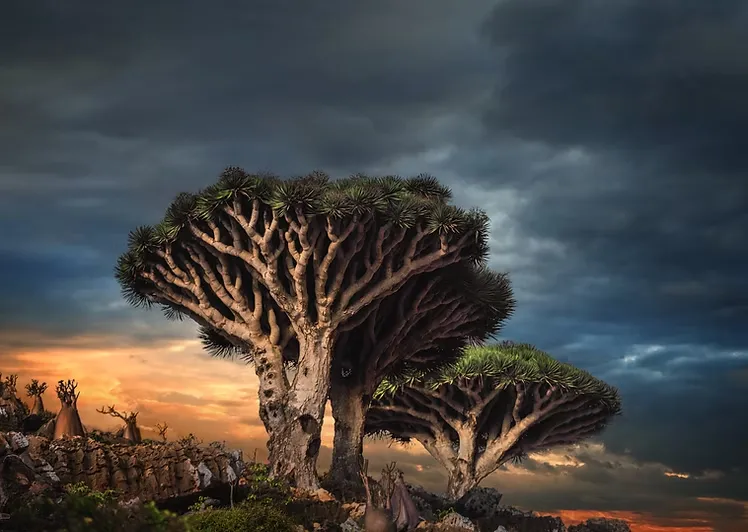
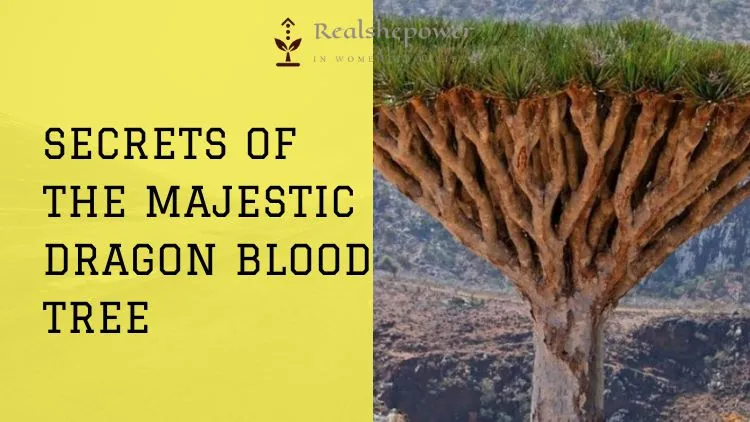
The first thing you notice upon landing on Socotra isn’t the heat or the wind—it’s the trees. Specifically, the Dragon’s Blood Trees (Dracaena cinnabari).
Perched atop the Diksam Plateau, these ancient giants look like inside-out umbrellas or giant mushrooms crafted by a surrealist painter. Their name comes from the thick, crimson sap they produce, which was once prized by Roman gladiators for its supposed healing powers and used by 18th-century violin makers to lacquer their instruments. Standing in a forest of these trees at sunset, as the sky turns a bruised violet and the prehistoric silhouettes stretch across the limestone crags, you don’t feel like you’re in the Middle East. You feel like you’ve been transported to the Cretaceous Period.
But Socotra’s palette doesn’t stop at crimson and grey.
- The Desert Rose: Scattered across the jagged mountain slopes are the Bottle Trees (Adenium obesum). These bulbous, fleshy trees look like elephant legs erupting from the rock, topped with delicate, shocking-pink flowers in the spring. They are beautiful in an awkward, alien way—evolved to hold massive amounts of water in a land that is as brutal as it is beautiful.
- The Dunes of Archer: At the island’s eastern tip, the mountains meet the sea in a spectacular collision of white sand. The Archer Dunes are massive, vertical walls of blindingly white sand that lean against the dark granite cliffs. Climbing them is a lung-bursting rite of passage, but the view from the top—where the white sand, black rock, and navy-blue ocean meet—is arguably the most scenic vista in the northern hemisphere.
2. Biological Isolation: Evolution Gone Wild
Socotra has been geographically isolated from the African mainland for at least 20 million years. This isolation has turned the island into a laboratory for evolution.
Nearly 37% of Socotra’s 825 plant species are endemic, meaning they exist nowhere else on the planet. To walk through the Haggeher Mountains is to witness a version of Earth that didn’t follow the standard rulebook. Here, you find the world’s only species of Cucumber Tree (a succulent with a massive trunk and tiny yellow flowers) and rare varieties of frankincense and myrrh that once made the island a vital port for the ancient Greeks and Egyptians.
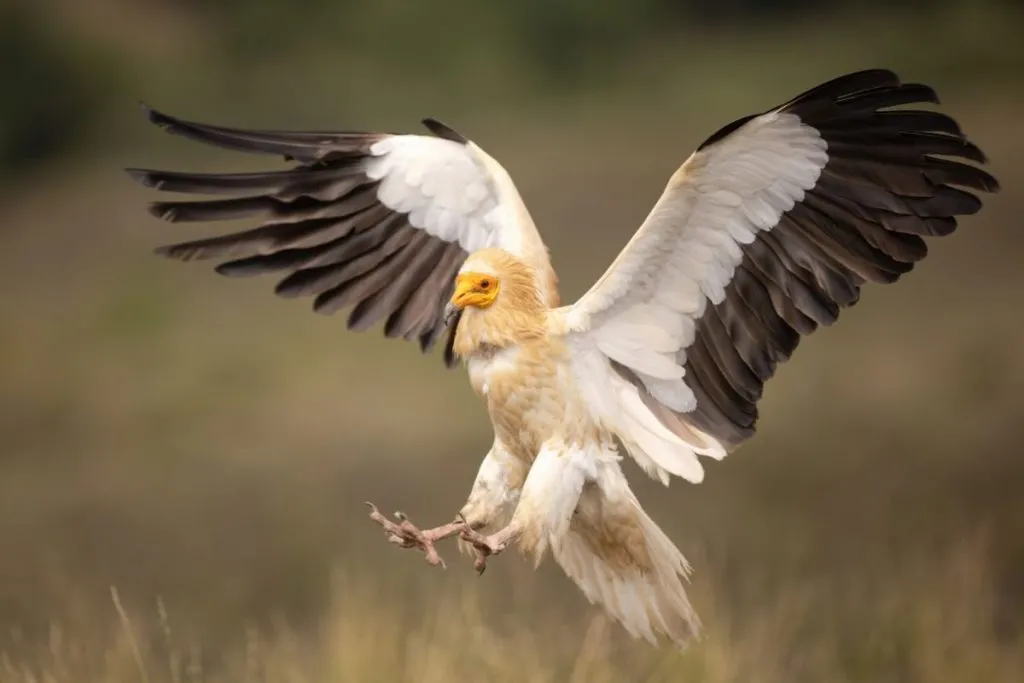
The fauna is equally bizarre. The island is home to the Egyptian Vulture, locally known as the “Pharaoh’s Chicken,” which is remarkably tame and will often watch you from a few feet away with unnerving curiosity. Below the waves, the marine life is even more vibrant. The island sits at a rare crossroads of currents, bringing together schools of dolphins, manta rays, and whales in a coral ecosystem that remains largely untouched by the bleaching events devastating the rest of the tropics.
3. The Culture: The Language of the Sea and Sky
The people of Socotra are as unique as their landscape. Though the island is part of Yemen, the Socotri people have their own language—Socotri—an unwritten, pre-Islamic Semitic tongue that sounds more like the whistling of the wind than modern Arabic.
For centuries, they lived in a delicate balance with their harsh environment. They practiced a form of sustainable grazing and resource management that is only now being studied by Western ecologists. To sit with a Socotri herder in a limestone cave, drinking goat’s milk tea as he describes the medicinal properties of a nearby succulent, is to realize that this is one of the few places where traditional knowledge hasn’t been replaced by a Wi-Fi signal.
They are a people of deep hospitality and fierce resilience. Despite the geopolitical turmoil on mainland Yemen, Socotra has remained a bubble of relative peace, protected by the very ocean that keeps it isolated.
4. Why You Should Go At Least Once (Before It Changes)
The most compelling reason to visit Socotra in 2026 is that it represents the last of the “Un-Touristed” world.
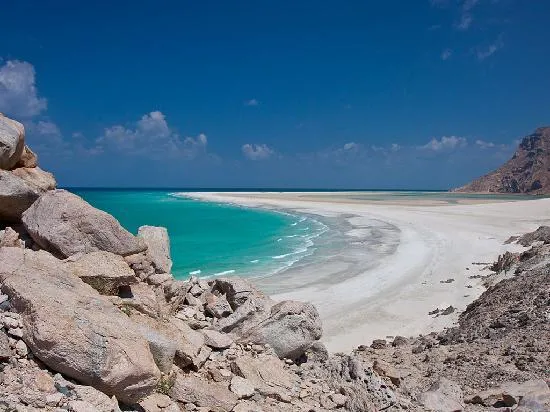
There are no luxury resorts. There are no high-speed trains or Starbucks outlets. To visit Socotra is to commit to a journey of “luxury in experience” rather than “luxury in amenities.” You will camp in a tent on the shores of the Detwah Lagoon a swirl of white sand and turquoise water so bright it looks like a CGI render. You will eat fresh-caught tuna grilled over an open flame and sleep under a sky so dark that the Milky Way looks like a solid cloud.
People should go to Socotra because it offers a perspective shift. It humbles you. It reminds you that the Earth is much older, much weirder, and much more resilient than our modern lives suggest. It is a place that forces you to put down your phone and simply look—not for the “shot,” but for the sheer wonder of seeing a tree that bleeds red or a dune that reaches the clouds.
5. Practicalities: Navigating the Edge of the World
Visiting a place this “unheard of” requires more planning than a weekend in Paris.
- Getting There: Currently, access is primarily through weekly charter flights from Abu Dhabi or Cairo. These flights are rare and must be booked through specialized agencies that handle your visas and logistics.
- The Experience: You will be traveling with a local guide. This is mandatory, not just for safety, but because the island has no signage and the “roads” are often just rocky paths through the wadis.
- The Vibe: Camping is the standard. You’ll be using pit toilets and washing in freshwater springs or the ocean. It is “unfiltered” travel in every sense of the word.
- Best Time to Visit: October to April. Outside of these months, the monsoon winds are so fierce that the island becomes virtually inaccessible, with winds reaching up to 60 mph.
Final Thought: The Call of the Ancient
In 2026, we are starving for the authentic. We are hungry for places that haven’t been “curated” for us. Socotra is that rare, final frontier. It is a place where the trees look like aliens, the sand looks like snow, and the language sounds like history.
It is scenic, yes. It is beautiful, undeniably. But more than that, it is essential. It is a reminder of what the world looks like when it is left to its own devices—wild, weird, and absolutely breathtaking.
If you have one “big” trip left in your heart, make it Socotra. Go before the world finds it. Go before the secrets of the Dragon’s Blood Trees are sold in gift shops. Go to the edge of the map, and see the world for the first time again.
➤ Up Next: A Desert You Can Actually Swim In