UAE Shatters Oil Status Quo with Historic OPEC Exit
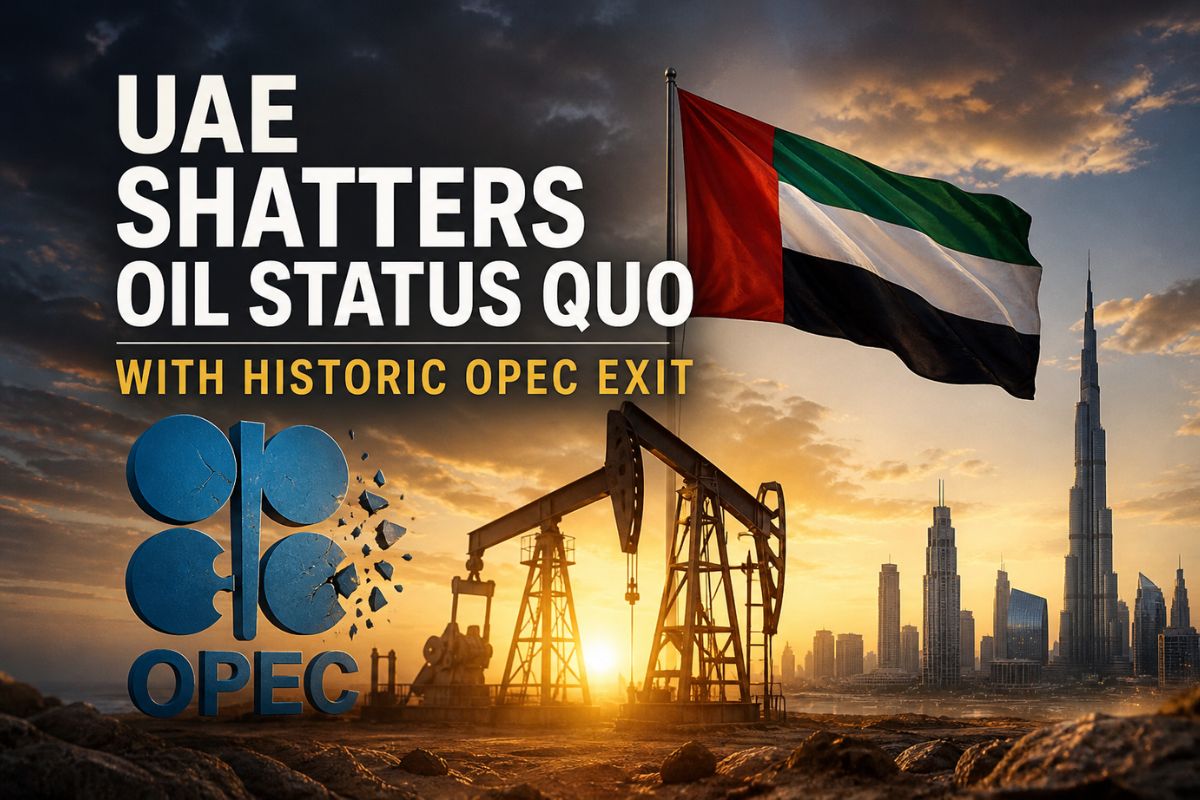
UAE Makes History by Leaving OPEC
In a move that has sent shockwaves through the global economy, the United Arab Emirates (UAE) officially withdrew from OPEC today, May 1, 2026. This decision marks one of the most significant shifts in how oil is traded globally in recent decades. For years, the UAE has been one of the most influential members of the organization, but the desire to expand its production capacity beyond the group’s strict quotas has led to this final “divorce.” By leaving the group, the UAE can now independently set its own oil production limits, allowing it to fully utilize its massive investments in drilling and infrastructure.
A Major Win for India’s Energy Security
This decision is expected to have a direct and positive impact on countries like India. As a nation that imports the vast majority of its energy needs, the UAE OPEC exit opens the door for Indian refiners to negotiate direct, long-term deals with the UAE for cheaper crude oil. Free from the collective pricing strategies of OPEC, the UAE can now offer more competitive rates to its strategic partners. While Brent crude prices currently remain high due to the ongoing US-Iran conflict and shipping disruptions in the Strait of Hormuz, this new independence for the Emirates provides a much-needed glimmer of hope for lower fuel prices at the pump in the near future.
Reshaping the Global Energy Market News
Experts believe this move will change the energy market news landscape forever. OPEC, once an unbreakable bloc of the world’s largest oil producers, now faces a crisis of relevance as one of its top three producers walks away. This could lead to a “price war” as different nations compete for market share, potentially ending the era of artificial price floors. For the UAE, the focus is now on its ADNOC expansion plans and securing its financial future outside of a collective mandate. As markets react, the volatility is expected to continue, but the structural change suggests a more decentralized and competitive future for global oil.
Impact on Global Trade and Diplomacy
Beyond just the numbers, the exit reflects a shift in global diplomacy. The UAE has increasingly positioned itself as an independent global power, balancing its relationships between the West and the East. By stepping away from OPEC, it moves closer to a market-driven approach that aligns with its goal of becoming a global logistics and financial hub. Investors are closely monitoring how other member states like Saudi Arabia will respond. For now, the world watches as the global oil price hike 2026 faces its first major internal challenge from within the Gulf itself.