
Comprehensive Analysis on Stablecoin Regulation in 2025
Background and Context
Stablecoins, digital assets designed to maintain a stable value by pegging to fiat currencies or other assets, have seen explosive growth, with a global market capitalization exceeding $200 billion early in 2025 (S&P Global Ratings: Stablecoin Regulation Gains Global Momentum). Their role in facilitating cross-border payments, powering decentralized finance (DeFi), and bridging traditional and digital finance has attracted significant regulatory attention. The need for regulation arises from potential risks, including financial stability, consumer protection, and money laundering, prompting jurisdictions to develop frameworks.
Table of Contents
U.S. Stablecoin Regulation Efforts
In the United States, stablecoin regulation is gaining momentum, particularly under the new administration. An executive order signed on January 23, 2025, established a working group to propose a regulatory framework for digital assets, including stablecoins, with a deadline of 180 days (S&P Global Ratings: Stablecoin Regulation Gains Global Momentum). This reflects a shift toward integrating stablecoins into the financial system, supporting “lawful and legitimate” stablecoins for U.S. dollar sovereignty, as noted in the previous article’s discussion of Trump’s pro-crypto stance.
Legislative efforts include several bills under consideration:
- GENIUS Act: Aimed at providing a regulatory framework for stablecoins, focusing on consumer protection and financial stability.
- Lummis-Gillibrand Payment Stablecoin Act: Introduced in May 2024, it seeks to define stablecoins as payment stablecoins, with oversight by the SEC and CFTC.
- Clarity for Payment Stablecoins Act: Under discussion by the House Financial Services Committee, it has come close to bipartisan consensus, evolving into a draft proposed by Senator Bill Hagerty (Atlantic Council: What is next for crypto regulation in the US?).
Proposed regulations include 100% backing with cash or liquid investments, no rehypothecation, and monthly reserve examinations, aiming to mitigate risks like “runs on the bank” seen in past stablecoin insolvencies (The regulation of stablecoins in the United States). However, contention exists over whether stablecoins must be one-to-one backed by U.S. dollars, seen as “above and beyond” other sectors, as noted in the previous article’s legislative discussions.
At the state level, Wyoming’s Stable Token Act, authorized in 2023, allows for the issuance of Wyoming stable tokens (WYST) by mid-2025, backed by 100%-102% in highly liquid reserves. Nebraska’s Financial Innovation Act provides broad regulations for digital assets, including stablecoins, but is limited in managing risks (S&P Global Ratings: Stablecoin Regulation Gains Global Momentum). This state-level activity adds complexity, with potential for regulatory fragmentation.
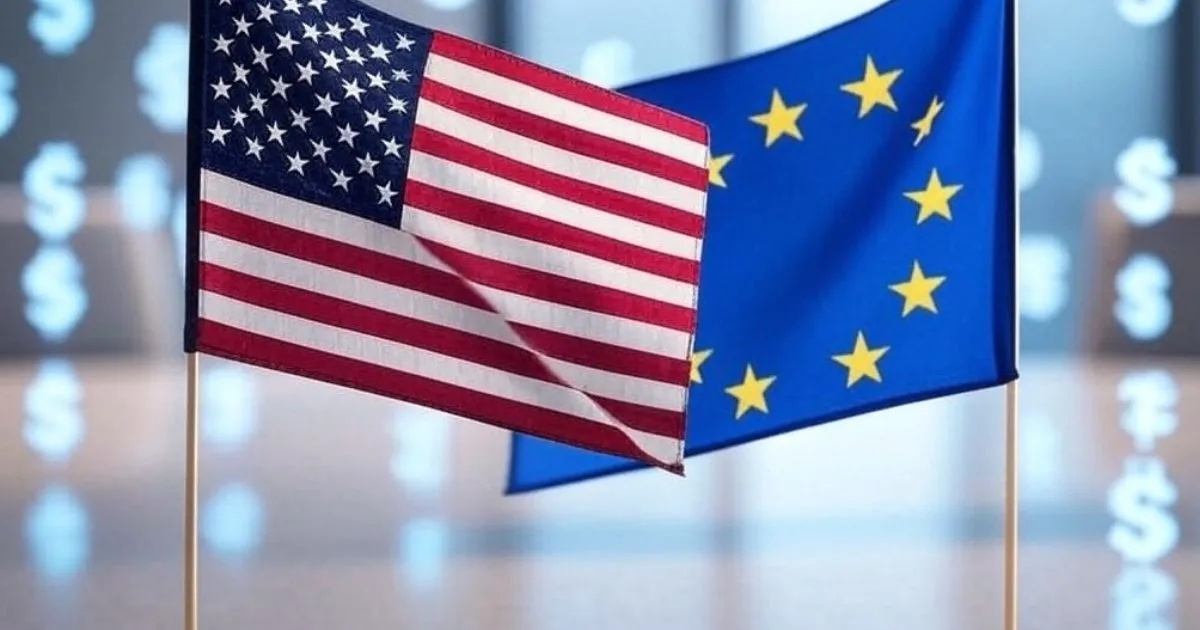
The U.S. approach contrasts with the EU, with slower legislative progress due to other administration priorities, expected to see developments midyear 2025. Institutional investment remains hesitant until federal clarity, impacting adoption rates.
EU Stablecoin Regulation Framework
The European Union has implemented a comprehensive framework with the Markets in Crypto-Assets Regulation (MiCAR), effective December 30, 2024, as detailed in the previous article. MiCAR extends bank-like rules to stablecoins, requiring issuers to obtain licenses and adhere to strict oversight. From June 30, 2024, stablecoin rules were in effect, with further implementations from February 1, 2025, prohibiting services for non-compliant asset-referenced tokens (ARTs) and e-money tokens (EMTs), with a sell-only period until March 31, 2025 (S&P Global Ratings: Stablecoin Regulation Gains Global Momentum).
Key requirements include:
- 30%-60% reserves in credit institutions for EMTs/ARTs.
- Monthly or quarterly disclosures, no interest on reserves.
- Significant issuers (over 10 million holders, €5 billion market cap, 2.5 million daily transactions, or €500 million value) face stricter rules, including higher reserve ratios.
This framework aims for legal certainty and consumer protection, addressing risks from non-EU mined cryptocurrencies, as highlighted in the ECB’s December 2024 minutes, noting U.S. crypto markets as elevated financial stability risks in the EU (Atlantic Council: The 2025 crypto policy landscape: Looming EU and US divergences?). The EU’s preference for a digital euro over private stablecoins reflects strategic autonomy and monetary sovereignty, contrasting with the U.S.’s support for private stablecoins.
Stablecoin Regulation in Other Key Jurisdictions
Beyond the U.S. and EU, several jurisdictions are developing or have implemented stablecoin regulations, contributing to global divergence:
- United Kingdom: Proposed a regulatory framework for fiat-backed stablecoins in November 2023, requiring FCA authorization and full backing with Bank of England deposits, with no interest. A second phase for algorithmic stablecoins is planned by end-2026 (S&P Global Ratings: Stablecoin Regulation Gains Global Momentum). The UK aims to provide clarity and foster innovation, with consultations expected early 2025 (Crypto regulatory affairs: UK Government to progress regulatory updates for stablecoins and crypto from early 2025).
- Hong Kong: Introduced a draft Stablecoin Bill on December 18, 2024, expected to pass early 2025, requiring licenses, 100% segregated reserves, monthly attestations, and fines up to HK$5,000,000 for violations (S&P Global Ratings: Stablecoin Regulation Gains Global Momentum).
- Singapore: Finalized its framework on August 15, 2023, covering single-currency stablecoins (SGD/G10), with high assurance of value stability, redemption within five days, and capital/liquid asset requirements (S&P Global Ratings: Stablecoin Regulation Gains Global Momentum).
- United Arab Emirates: Implemented a unified payment token services regulation in August 2024, prohibiting algorithmic stablecoins, requiring 100% cash/liquid reserves, and monthly audits (S&P Global Ratings: Stablecoin Regulation Gains Global Momentum).
- Japan: Amended its Payment Services Act in June 2023, regulating digital money-like stablecoins, requiring pegging to fiat, redemption rights, and AML/CFT compliance (S&P Global Ratings: Stablecoin Regulation Gains Global Momentum).
- Switzerland, Liechtenstein, Iceland, Norway, Brazil: Various stages of implementation, with MiCA applicable in some, and Brazil proposing a resolution banning foreign currency-pegged tokens to self-custody wallets, with public comments through February 2025 (S&P Global Ratings: Stablecoin Regulation Gains Global Momentum).
This global landscape reflects a mix of approaches, with common principles like reserve requirements, liquidity management, and consumer protection, but varying timelines and scopes.
Global Implications and Challenges
The diverse regulatory approaches present opportunities and challenges. Research suggests regulatory arbitrage could occur, with issuers choosing jurisdictions with lighter regulations, potentially undermining global standards (Stablecoins will see explosive growth in 2025 as world embraces asset class). However, it seems likely that international cooperation, such as G20 initiatives, could harmonize rules, facilitating stablecoin integration into global finance (All 2025 Stablecoin Regulations You Need to Know).
Compliance complexities for firms operating across jurisdictions are a concern, especially with differing reserve and disclosure requirements. The evidence leans toward stablecoins playing a larger role in international trade and finance, with predictions of explosive growth in 2025, driven by institutional issuance and adoption (Stablecoins and Crypto Shocks: An Update).
Future Outlook and Industry Impact
Looking ahead, 2025 is expected to see significant developments, with the U.S. potentially passing legislation midyear, the EU fully implementing MiCAR, and other jurisdictions maturing their frameworks. The interplay between technological innovation, such as new stablecoin models, and regulatory responses will shape their future. Striking a balance between fostering innovation and ensuring stability is crucial, with traditional financial institutions increasingly issuing stablecoins, as seen with Tether’s profitability model (Stablecoins will see explosive growth in 2025 as world embraces asset class).
The impact on the crypto industry, as discussed in the previous article, includes potential growth in adoption and sector development, but also challenges like compliance costs and market fragmentation. The regulatory landscape will influence institutional inflows, with clearer frameworks likely to boost confidence and investment.
Conclusion
This analysis provides a comprehensive overview of the global race to regulate stablecoins in 2025, complementing the previous article on cryptocurrency policies by focusing on a critical subtopic. The U.S., EU, and other jurisdictions are adopting varied approaches, with implications for innovation, financial stability, and global finance. Understanding these developments is essential for stakeholders, as they navigate a dynamic and evolving regulatory environment.
Key Citations
- S&P Global Ratings Stablecoin Regulation Gains Global Momentum
- Atlantic Council What is next for crypto regulation in the US
- Atlantic Council The 2025 crypto policy landscape Looming EU and US divergences
- PYMNTS.com The Three Most Important US Crypto Policies to Watch This Year
- The regulation of stablecoins in the United States
- Crypto regulatory affairs UK Government to progress regulatory updates for stablecoins and crypto from early 2025
- Stablecoins will see explosive growth in 2025 as world embraces asset class
- Stablecoins and Crypto Shocks An Update
- All 2025 Stablecoin Regulations You Need to Know