The Definitive Guide to the 2026 Badrinath Dham Pilgrimage
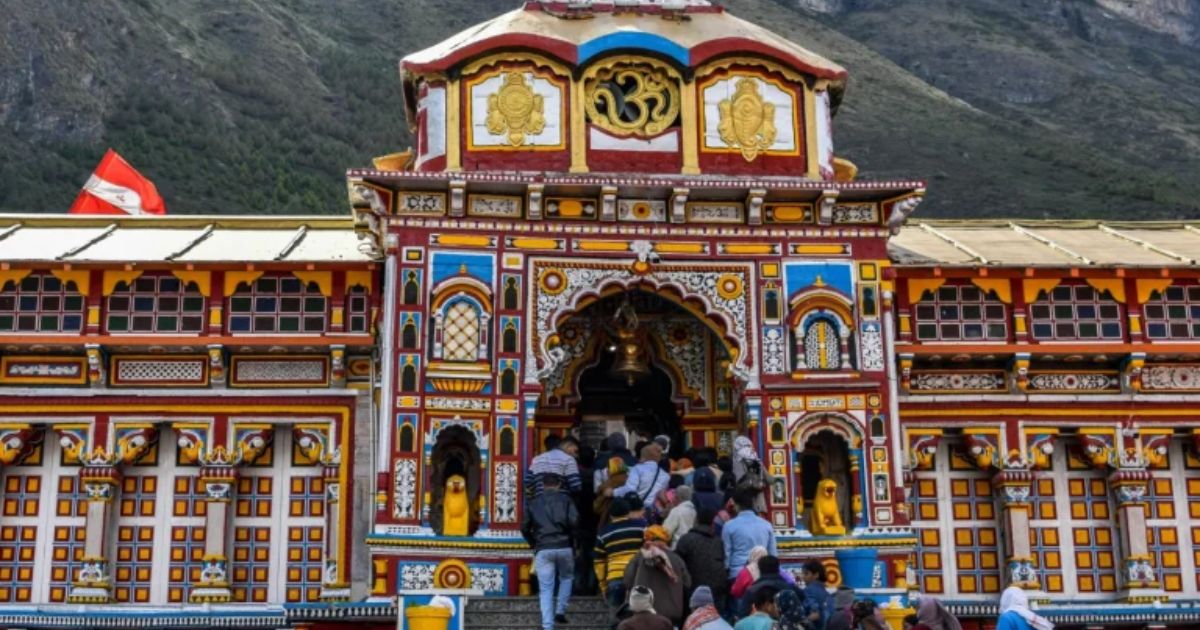
The air at 3,133 meters is thin, crisp, and carries the faint scent of incense and melting snow. As the morning sun strikes the gilded canopy of the Badrinath Temple, the vibrant colors of the facade—reds, yellows, and blues—seem to glow against the stark, monochromatic backdrop of the Neelkanth Peak. On April 23, 2026, the doors to this ancient sanctuary were officially thrown open, marking the commencement of a season defined by deep faith and the rugged beauty of the Garhwal Himalayas.
Badrinath is not merely a destination; it is the “Satyuga” of the Char Dham circuit, a place where divinity is said to reside in physical form. For the 2026 season, the journey to this “Vaikuntha on Earth” has been modernized with digital registration and improved infrastructure, yet the primal, soul-stirring essence of the Alaknanda River remains unchanged.
Navigating the 2026 Logistics
The pilgrimage to Badrinath requires more than just spiritual intent; it demands meticulous logistical planning. In 2026, the Uttarakhand government has streamlined the “Yatra” to manage the increasing influx of devotees while preserving the fragile Himalayan ecosystem.
The Digital Gateway: Mandatory Registration
Before you set foot in the hills, digital registration is a non-negotiable prerequisite. The Tourist Care Uttarakhand portal and mobile app serve as the primary gateway. Once registered, pilgrims receive a unique QR code. This code is scanned at various transit points—such as Rishikesh, Pipalkoti, and Joshimath—to monitor the density of the crowds and ensure traveler safety in case of weather-related emergencies.
Choosing Your Route
Most pilgrimages begin in the twin cities of Haridwar or Rishikesh. From here, the 300 km journey north is a vertical climb through the heart of the mountains.
- The Road Journey: Following the NH7 (the Rishikesh-Badrinath Highway), the drive takes approximately 10 to 12 hours. The road shadows the Alaknanda River, passing through the “Panch Prayag”—the five sacred river confluences. Watching the emerald waters of the Alaknanda merge with the muddy Bhagirathi at Devprayag is a spiritual highlight in its own right.
- The Aerial Ascent: For those with limited time or physical constraints, helicopter services from Dehradun (Sahastradhara Helipad) offer a 60-minute flight. In 2026, the government has introduced more transparent booking systems to prevent overcharging, though pre-booking months in advance remains essential.
The Sanctum: Architecture and Ritual
The Badrinath Temple is architecturally distinct from the stone-heavy Kedarnath. It resembles a Buddhist vihara in its colorful, tiered structure, a nod to the region’s complex religious history.
The Divine Darshan
Inside the Garbhagriha (sanctum sanctorum) sits the deity of Lord Badrinarayan, carved from black Shaligram stone. Unlike many other idols, this one depicts Vishnu in a meditative padmasana pose, emphasizing the theme of penance and peace. The temple is divided into three sections: the Garbhagriha, the Darshan Mandap (where rituals are performed), and the Sabha Mandap (the outer hall where devotees assemble).
The Thermal Cleansing: Tapt Kund
Before entering the temple, tradition dictates a dip in the Tapt Kund. These natural sulfurous springs sit just above the Alaknanda River. Despite the freezing temperatures of the river just meters away, the spring water remains a constant, steaming 45°C. For many, this dip is a physical and metaphorical shedding of the “dust of the world” before standing in the presence of the divine.
Mana: The Frontier of Faith
Just 4 km beyond the temple gates lies Mana Village, officially the “First Village of India.” To visit Badrinath and skip Mana is to leave the story half-told. In 2026, Mana has embraced the “Slow Travel” movement, encouraging visitors to spend a night in local homestays rather than rushing back to Joshimath.
The Vyas and Ganesh Gufas
The cliffs around Mana are riddled with ancient caves. The Vyas Gufa is where the sage Ved Vyas is believed to have lived while composing the Mahabharata. Nearby, the Ganesh Gufa marks the spot where Lord Ganesh served as the scribe for the epic. The rock face of Vyas Gufa is particularly striking—its thin, horizontal layers look uncannily like the stacked pages of a manuscript.
The Saraswati and Bhim Pul
Mana is also where the legendary Saraswati River makes a brief, violent appearance. It emerges from a mountain cleft with such force that the sound is deafening. Spanning this torrent is the Bhim Pul, a massive natural rock slab. Legend has it that Bhim, the strongest of the Pandavas, placed the rock there so his wife, Draupadi, could cross the river on their final journey to the heavens.
The Vasudhara Falls Trek
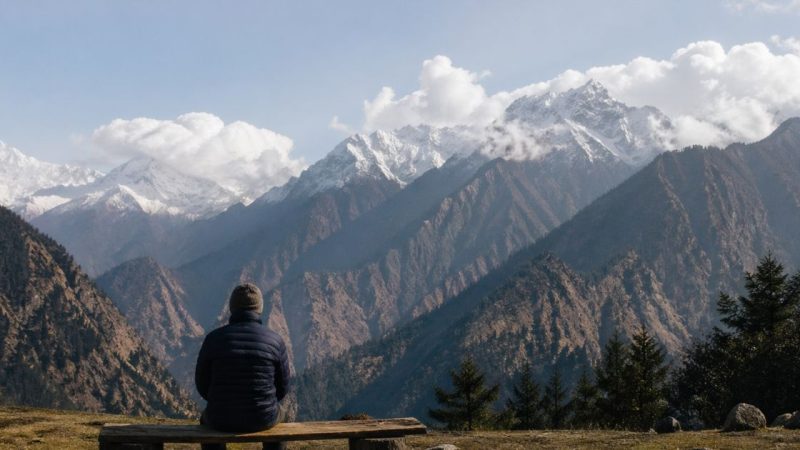
For the adventurous, the 5 km trek from Mana to Vasudhara Falls is the ultimate Himalayan excursion. The trail is a rigorous ascent through a treeless landscape where the air is pure and the silence is absolute.
The waterfall itself drops from a height of 400 feet. Because of the high-altitude winds, the water rarely falls in a straight line; instead, it is scattered into a fine, ethereal mist. Local folklore suggests that the “Vasudhara” (the stream of wealth/nectar) will not fall on people who are impure of heart—a legend that adds a layer of quiet introspection to the physical challenge of the hike.
Practical Survival Guide for 2026
| Category | Requirement | Recommendation |
| Clothing | Layering is Vital | Even in June, temperatures can drop to 5°C. Carry heavy woolens and a windcheater. |
| Health | Acclimatization | Spend at least 24 hours in Joshimath (1,875m) before ascending to Badrinath (3,133m). |
| Money | Cash is King | While UPI is common, network issues in Mana often make digital payments impossible. |
| Food | Local Diet | Stick to hot, freshly cooked vegetarian meals. Try Kafuli (a spinach-based dish) for iron and energy. |
Sustainability and the “New Yatra”
In 2026, the focus has shifted toward Responsible Pilgrimage. The Uttarakhand government has strictly banned single-use plastics in the Badrinath township. Travelers are encouraged to use the “Plastic Back” program, where you receive a small refund for returning plastic bottles to designated recycling centers.
Furthermore, the Sovereign AI initiatives implemented by the Indian government now provide real-time weather forecasting and crowd-density heatmaps via the Yatra app. These tools allow pilgrims to adjust their travel times to avoid the midday rush, ensuring a more peaceful darshan.
Conclusion: The Call of the Mountains
As the evening Aarti begins, the sound of the conch shell echoes across the valley, competing with the roar of the Alaknanda. Looking up, the peaks of Mana Parbat and Neelkanth catch the last of the orange light. Whether you have come for the fulfillment of a lifelong vow or to find solace in the silence of the high Himalayas, Badrinath offers a perspective that few other places on earth can.
In 2026, Badrinath remains a testament to the enduring power of faith. It is a place where the air is thin, but the spirit is full. As you begin your descent back to the plains, you carry with you more than just Prasad; you carry the stillness of the peaks and the timeless rhythm of the “First Village.”