Why Kalimpong Himalayan Sanctuary is the Ultimate 2026 Escape
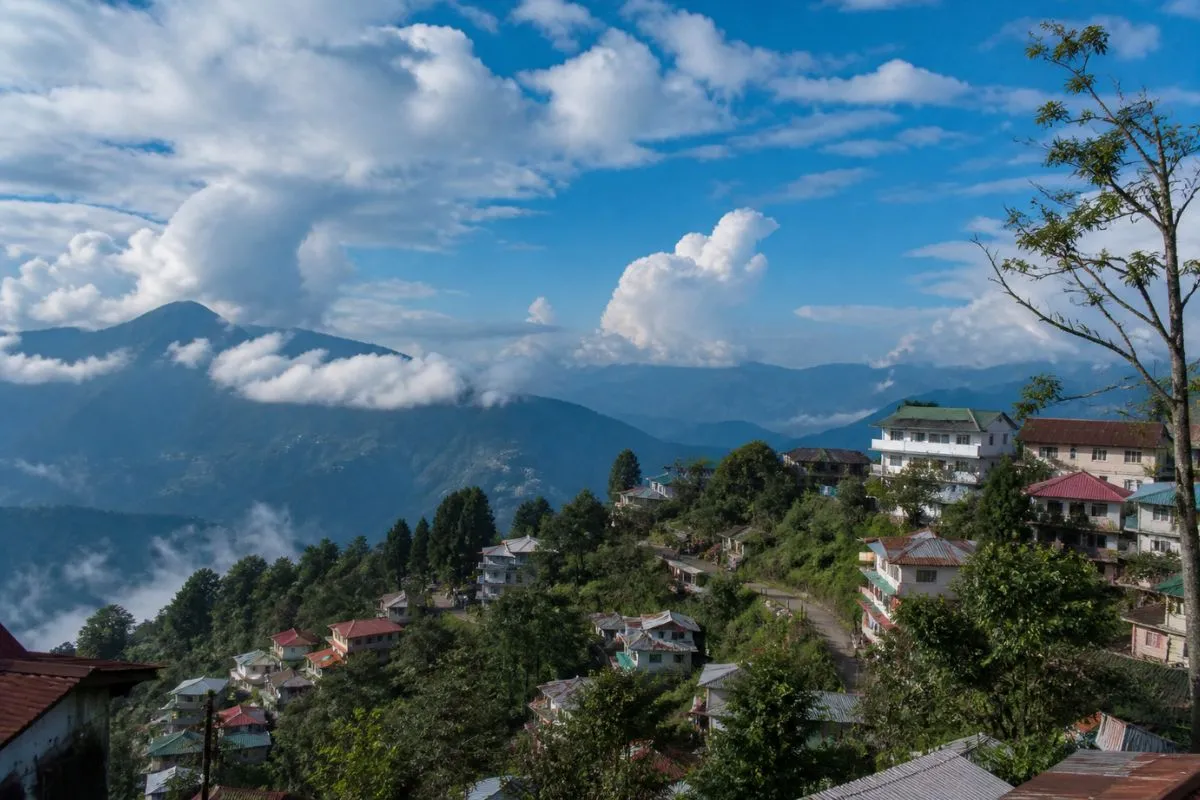
For decades, the Queen of the Hills, Darjeeling, has worn the crown of West Bengal’s tourism. But as we move further into 2026, a quiet revolution is happening 50 kilometers away. Travelers are shifting their gaze toward a ridge that overlooks the Teesta River, a place where time seems to move at the pace of a blooming orchid. Welcome to Kalimpong, a town that doesn’t just offer a view of the mountains, but a way to live within them.
A Legacy Carved in Stone and Silk
To understand Kalimpong’s trending status in 2026, one must look at its roots. Unlike many hill stations established purely as sanatoriums for the British, Kalimpong was a bustling hub of the “Silk Road” trade. Until the early 1960s, it was the primary gateway for wool and spice trade with Tibet via the Jelepla Pass.
This history has left behind a cosmopolitan DNA. Walking through the 10th Mile market today, you see the faces of the Lepcha (the original inhabitants), the Bhutias, the Nepalis, and the descendants of British missionaries and Tibetan traders. This melting pot has created a town that is intellectually curious, artistically inclined, and incredibly welcoming to outsiders.
Architectural Time Travel: The Bungalows of Kalimpong
One of the major draws this year has been “Heritage Tourism.” Kalimpong is home to some of the finest examples of colonial architecture in India, many of which have been converted into boutique stays.
- Morgan House: A classic example of Tudor-style architecture, this moss-covered stone house is rumored to be haunted, but its architectural beauty is what truly captivates.
- Galinka and Crockety: These bungalows represent the aesthetic of the British era, featuring sprawling gardens and wooden interiors that offer a glimpse into the life of the early 20th-century elite.
- St. Andrews Church: Built in 1882, the clock tower and the stone facade of this church are iconic landmarks that define the town’s skyline.
The Nursery Capital: A Green Revolution
Kalimpong is responsible for nearly 80% of India’s exotic flower exports. The town’s temperate climate is a goldmine for horticulturalists. In 2026, “Plant Parenting” and “Green Therapy” have become mainstream travel motivations, and Kalimpong is the ultimate destination for this.
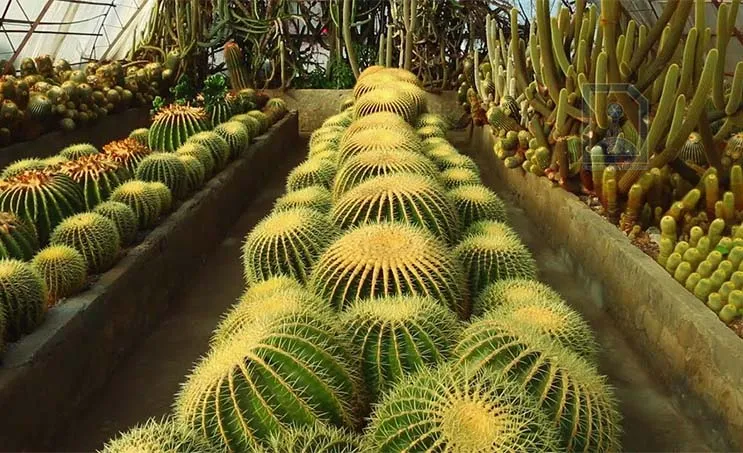
Pine View Nursery, located on Kalimati Road, remains the crown jewel. It isn’t just a place to buy plants; it is a museum of survival. Spanning over two acres, it houses one of the largest collections of cacti in Asia. Some specimens have been nurtured for over 40 years, brought in from South and North America. The sight of a thousand different thorns and blooms under one glass roof is a reminder of the biodiversity that this region supports.
Spiritual Solitude: Monasteries and Peace
While the town is bustling, its spiritual centers offer a profound silence.
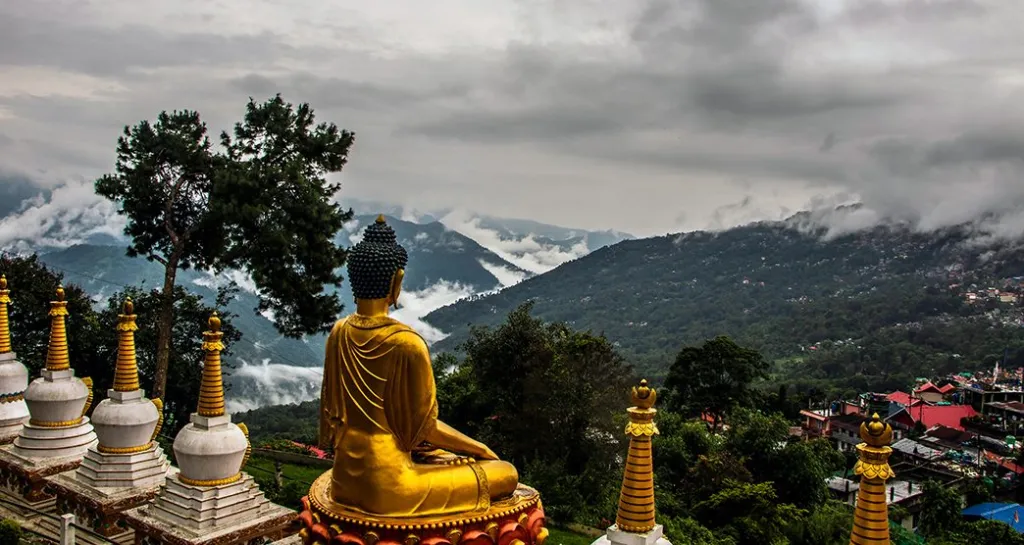
- Zang Dhok Palri Phodang: Consecrated by the Dalai Lama in 1976, this monastery sits atop Durpin Hill. It houses the Kangyur, the 108 volumes of the Buddha’s teachings brought out of Tibet during the 1959 invasion. The intricate murals and the three-dimensional mandalas are masterpieces of Himalayan art.
- Tharpa Choling Monastery: Belonging to the Gelugpa (Yellow Hat) sect, this monastery is perched on Tirpai Hill. It offers a quieter, more meditative experience compared to the larger tourist-heavy sites.
Adventure in the Air and Water
For the modern traveler, serenity must be balanced with adrenaline. Kalimpong has matured into a premier adventure hub.
- Paragliding at Deolo: Deolo Hill provides a natural launchpad. Flying at 5,500 feet, you get a bird’s-eye view of the Relli Valley and the Teesta River. In 2026, new safety protocols and luxury tandem flights have made this accessible to everyone from teenagers to seniors.
- White Water Rafting: The Teesta and Rangeet rivers offer Grade II to IV rapids. The “Confluence” point, where the emerald green Teesta meets the deep blue Rangeet, is not just a geographical marvel but a thrilling spot for river rafting.

The Gastronomic Identity: Beyond the Momos
While the world knows the Himalayan momo, Kalimpong’s food scene is far more nuanced.
- The Cheese Legacy: Introduced by Swiss Jesuits, the Kalimpong Cheese is a semi-hard, Gouda-style cheese that has gained “Artisanal” status globally in 2026. It is now a staple in gourmet kitchens across India.
- Laping: This cold, spicy mung bean noodle dish, seasoned with soy, garlic, and red chili, is the ultimate street food.
- The Tea Culture: Being a neighbor to Darjeeling, Kalimpong offers exquisite tea tasting sessions, but with a more local, less commercial vibe.
Sustainable Future: Kalimpong in 2026
What makes Kalimpong truly “next” is its commitment to sustainability. Local communities have moved toward “Plastic-Free” zones and are heavily promoting homestays over large-scale hotels. This ensures that the tourism revenue goes directly to the families of the Lepchas and Sherpas, preserving the local culture while allowing it to thrive.
As we look toward the rest of 2026, Kalimpong stands as a testament to the fact that you don’t need to climb the highest peak to find peace—sometimes, you just need to find the right ridge.
“Escape the ordinary, find your sanctuary where every peak tells a story and every trail leads back to you.”