Travel to Darjeeling the Queen of the Hills
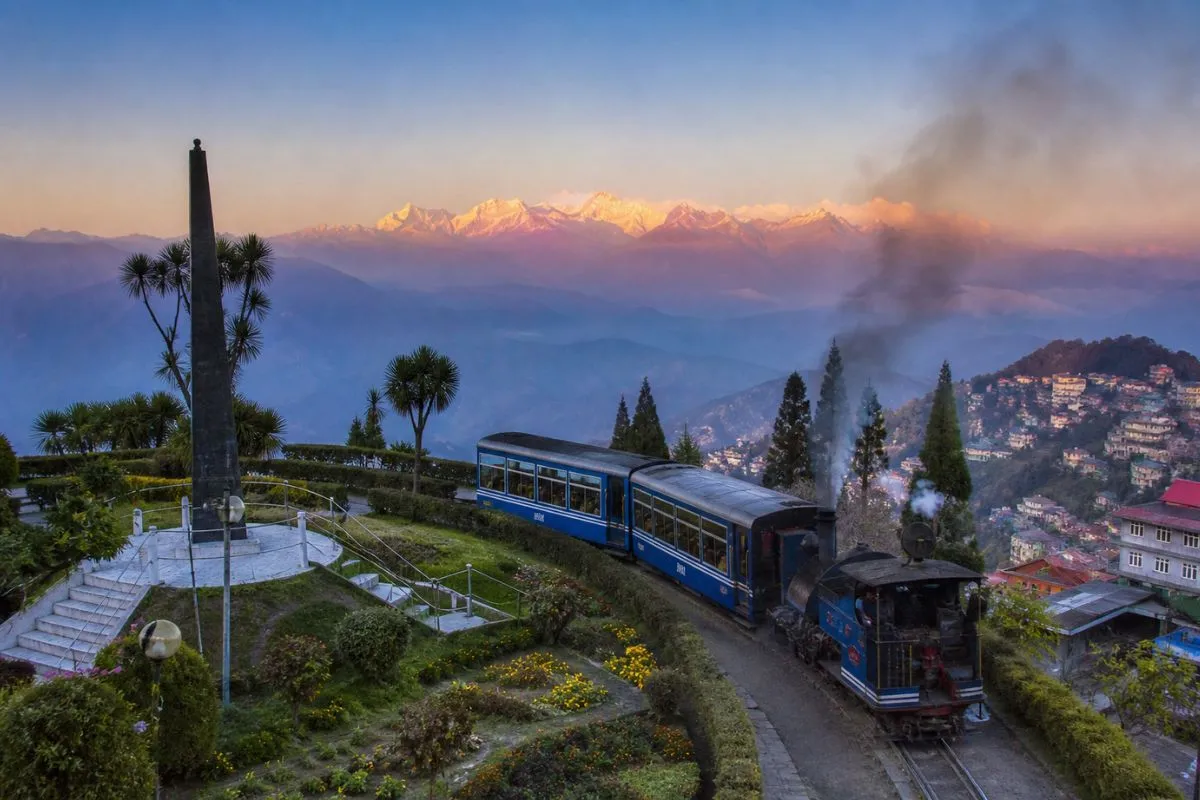
In the heart of the Lesser Himalayas, nestled at an elevation of 6,700 feet, lies a town that has captured the imagination of poets, filmmakers, and travelers for over a century. Darjeeling, affectionately known as the “Queen of the Hills,” remains the crown jewel of West Bengal. As we navigate the travel landscape of 2026, where “Slow Travel” and “Eco-Conscious Exploration” have become the gold standards, Darjeeling stands as a testament to how heritage and nature can coexist in a modern world.
The Geographical and Historical Pulse
Darjeeling’s allure begins with its geography. Perched on a ridge that overlooks the majestic Kanchenjunga—the third-highest peak in the world—the town is a labyrinth of steep winding lanes, vibrant markets, and emerald-green tea gardens. Historically, Darjeeling was a cluster of villages under the Kingdom of Sikkim and later Bhutan until the British East India Company recognized its potential as a sanatorium and a strategic outpost in the mid-19th century.
By 2026, the historical narrative has shifted. Today, travelers aren’t just looking at colonial remnants; they are engaging with the “New Himalayan Identity.” This involves supporting local Lepcha artisans and understanding the Sherpa heritage that forms the backbone of Himalayan mountaineering.
The Tiger Hill Phenomenon: A 2026 Perspective
Even with the rise of virtual reality and 8K travel vlogs, nothing replaces the visceral experience of a Tiger Hill sunrise. Located 11 km from the main town, Tiger Hill is the highest point in the Darjeeling area.
In 2026, the experience has been streamlined with eco-friendly electric shuttles replacing the older diesel SUVs, reducing the carbon footprint of this iconic ritual. As the sun begins its ascent, the horizon transforms into a canvas of deep purples and oranges. Then, the magic happens: the first rays of light hit the summit of Kanchenjunga. The mountain doesn’t just glow; it burns with a golden intensity that feels divine. On clear days, you can even spot the tip of Mount Everest peeking through the distant clouds.
The Darjeeling Himalayan Railway: A Moving Monument
The “Toy Train,” or the Darjeeling Himalayan Railway (DHR), is a UNESCO World Heritage site that has survived world wars, landslides, and the passage of time. Built between 1879 and 1881, it is an engineering marvel that uses “loops” and “reverses” to gain altitude.
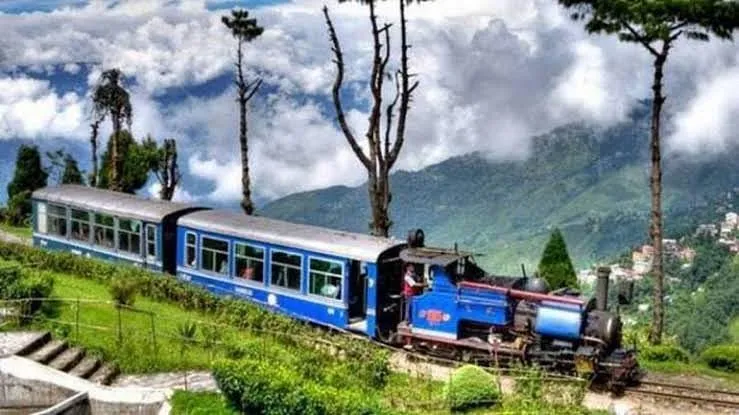
In 2026, the DHR has introduced “Heritage Steam Charters” that use original coal-fired engines for purists, alongside newer, quieter engines for daily commuters. The journey from Siliguri to Darjeeling is a six-hour masterclass in landscape transition—from the dense Mahananda Wildlife Sanctuary to the misty heights of Kurseong and finally into the heart of Darjeeling at the Batasia Loop.
Batasia Loop itself is a masterstroke of design. It is a spiral railway created to lower the gradient of the ascent. At its center lies a lush garden and a War Memorial dedicated to the Gorkha soldiers. Walking through the loop while the train whistles past is a quintessential Darjeeling moment that remains unchanged by time.
The Alchemy of Darjeeling Tea: The Champagne of Teas
You cannot speak of Darjeeling without speaking of its tea. The region is home to over 80 tea estates, each producing a “flush” (harvest) that is distinct in flavor and aroma.
- First Flush (Spring): Light, floral, and highly prized.
- Second Flush (Summer): Known for the famous “Muscatel” flavor—a fruity, wine-like notes.
- Autumnal Flush: Bold and nutty, perfect for the cooling temperatures of late October.
In 2026, “Tea Tourism” has evolved into an immersive educational experience. Estates like Happy Valley, Makaibari, and Glenburn offer “Pluck to Cup” tours. Travelers can spend a morning in the fields with the pluckers, learn the delicate art of withering and rolling, and end the day with a professional tasting session. Staying in a colonial-era planter’s bungalow, surrounded by nothing but the sound of the wind through the tea bushes, is the ultimate 2026 luxury.
Biodiversity and the Himalayan Soul
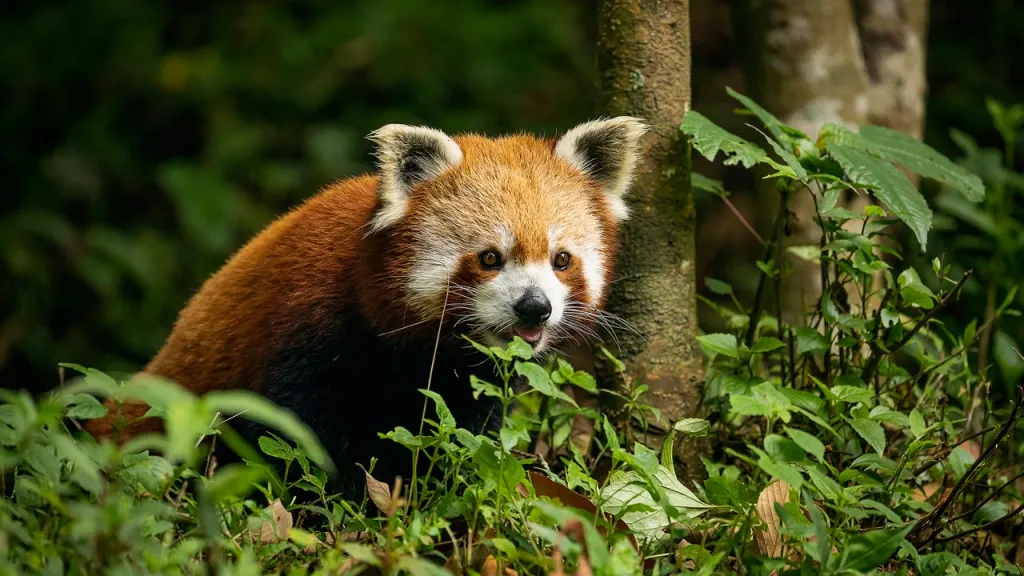
Beyond the tea and the trains, Darjeeling is a biodiversity hotspot. The Padmaja Naidu Himalayan Zoological Park is a world leader in the conservation of high-altitude fauna. In 2026, their captive breeding programs for the Red Panda and the Snow Leopard have reached record success rates. Visiting the zoo is an exercise in empathy; seeing these majestic creatures in a naturalistic habitat reminds us of the fragility of the Himalayan ecosystem.
Adjacent to the zoo is the Himalayan Mountaineering Institute (HMI). Founded after the first conquest of Everest by Tenzing Norgay and Edmund Hillary, it houses a fascinating museum of climbing gear and maps. It serves as a reminder that Darjeeling is the gateway to the high peaks, a place where the “Vertical World” begins.
The Culinary Map: A Melting Pot of Flavors
Darjeeling’s food is as diverse as its people. The Mall Road (Chowrasta) is the culinary heartbeat of the town.
- Glenary’s Bakery & Pub: Since the colonial era, this establishment has been the go-to for apple pies, chocolates, and roast chicken. In 2026, its red-brick facade and live music nights still draw the most fashionable crowds.
- Kunga’s: For authentic Tibetan fare, Kunga’s is unrivaled. Their Thentuk (hand-pulled noodle soup) and Gyathuk are soulful remedies for a misty evening.
- Street Food: The “Naga Chilli” momos and the spicy “Aludum” sold by street vendors offer a fiery contrast to the cool mountain air.
The 2026 Travel Mindset: Sustainable and Spiritual
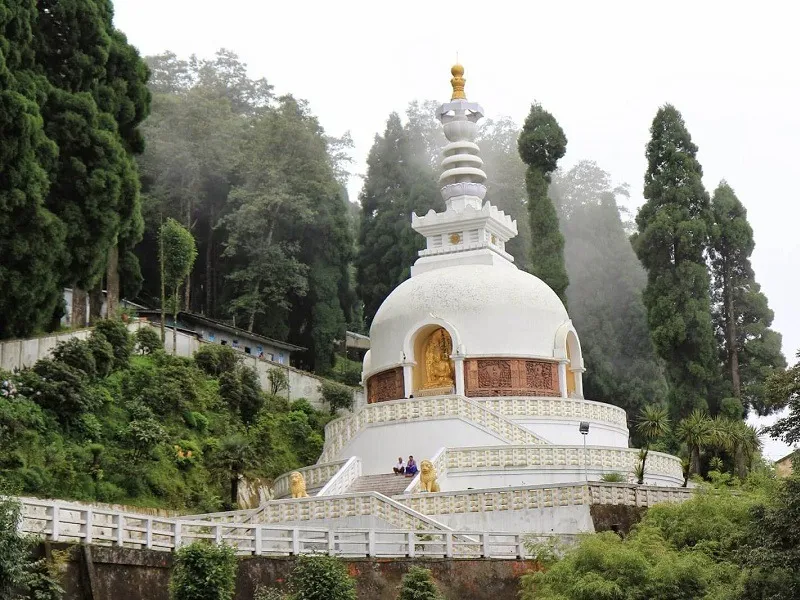
Modern travelers are seeking more than just sightseeing; they are seeking “Zen.” The Peace Pagoda, built under the guidance of Nichidatsu Fujii (a Buddhist monk from Japan), offers panoramic views and a space for silent meditation. The rhythmic chanting of the monks at the nearby Japanese Temple provides a soundtrack of peace that resonates across the valley.
Furthermore, 2026 sees Darjeeling leading the way in “Community-Led Tourism.” Visitors are encouraged to stay in village homestays in outskirts like Mineral Spring or Tinchuley. These stays allow travelers to engage in organic farming, traditional cooking, and local folklore, ensuring that the benefits of tourism reach the grassroots level.
Why Choose Darjeeling Now?
While the world becomes more digital and fast-paced, Darjeeling offers a “Manual Mode” for life. It is a place where you wait for the mist to clear to see the mountain, where you walk because the slopes are too steep for cars, and where a cup of tea is a 20-minute conversation.
Whether you are a solo traveler seeking introspection, a couple looking for old-world romance, or a family wanting to disconnect from screens and reconnect with nature, Darjeeling provides the perfect canvas.
“Escape the ordinary, find your sanctuary where every peak tells a story and every trail leads back to you.”