How Delhi’s Pollution Is Affecting Kids’ IQ, Lungs, and Futures
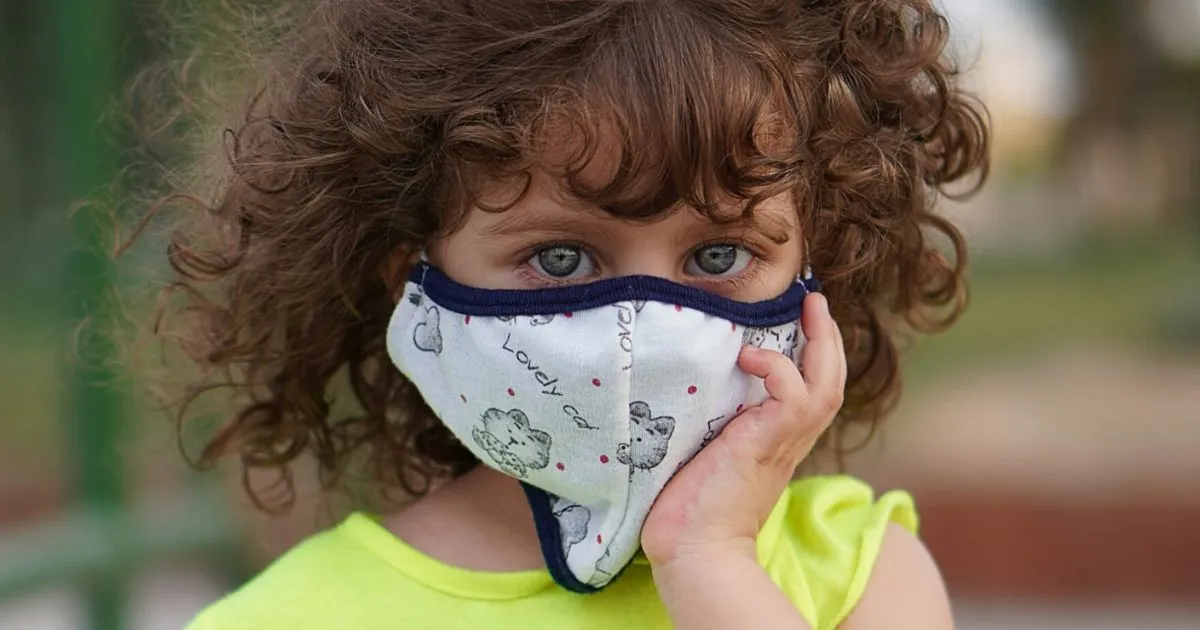
Every winter, Delhi becomes a city that struggles to breathe. But the people paying the highest price aren’t the ones who created this crisis.
It is the smallest lungs, the youngest brains, and the quietest voices
that carry the heaviest burden of Delhi’s toxic air.
Children.
Kids who should be running, laughing, playing outside —
instead grow up coughing, wheezing, staying indoors, peering at a grey sky through pollution masks.
This article dives deep into the scientific, medical, and emotional toll that Delhi’s pollution is inflicting on the next generation.
The data is alarming.
The stories are heartbreaking.
And the consequences… they may shape India’s future.
Table of Contents
Delhi’s Children Breathe Twice as Fast — And Absorb Twice the Damage
Medically, children inhale more air per kilogram of body weight than adults.
This means:
When Delhi’s AQI hits 400–700, kids are breathing in more toxins than any adult.
- Their airways are narrower
- Their lungs are still developing
- Their immune systems are weaker
Which makes them more vulnerable to PM2.5, the deadliest pollutant that enters the bloodstream and even the brain.
Studies from AIIMS, CSIR, and the WHO confirm:
Children exposed to high PM2.5 levels suffer faster lung damage than adults.
This isn’t just seasonal coughing.
It’s shaping the architecture of their lungs.
The Lung Damage: Smaller, Weaker, and Permanently Scarred
Key Research Findings:
- A study by the Indian Chest Society found Delhi kids have 3x higher rates of asthma than the national average.
- A 2019 study on Delhi schoolchildren showed 40% had reduced lung capacity.
- Doctors at AIIMS report 1 in 3 children now show early signs of chronic bronchitis.
Long-Term Risks Include:
- reduced lung size
- chronic asthma
- susceptibility to infections
- increased risk of COPD in adulthood
- lifelong respiratory weakness
This means a child who grows up in Delhi winters may never reach full lung function as an adult.
Doctors call it:
“Invisible childhood lung disability.”

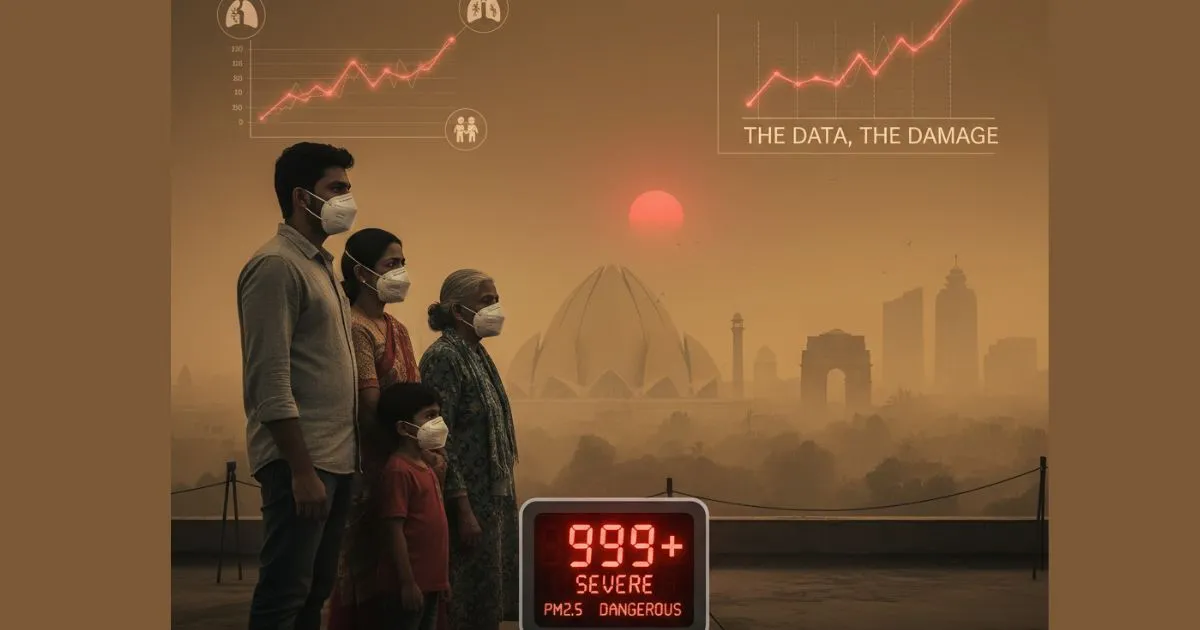
Delhi-NCR Air Pollution: Data & Analysis 2025
A sharp rise in PM2.5, toxic smog layers, and alarming health patterns — this report breaks down the data shaping Delhi’s pollution crisis and what it means for the future.
→ Read Full Article
The Brain Impact: Pollution Is Lowering Kids’ IQ and Cognitive Skills
This is the part most parents don’t know. Multiple global studies — Harvard, Yale, London School of Economics — link high pollution exposure to lower IQ scores in children.
What PM2.5 does to a child’s brain:
- enters bloodstream through the lungs
- travels to the brain
- causes inflammation
- reduces development of white matter
- disrupts neural connections critical for learning
Result?
- decreased memory
- lower attention span
- reduced problem-solving ability
- weaker academic performance
A 2022 study from India reported:
Children exposed to polluted air showed IQ scores 4–7 points lower on average.
This is not minor.
It shapes:
- school performance
- career opportunities
- emotional regulation
- overall future potential
In simpler words:
Pollution is stealing what children have not even begun to build.
Related Article
Delhi-NCR Chokes Under Toxic Air Pollution
Delhi-NCR’s deadly smog has pushed air quality into the ‘severe’ zone again, impacting lungs, immunity, and long-term health. Here’s the full breakdown.
→ Read Full Article
Emotional and Psychological Damage: The Mental Health Toll
Poor air quality affects far more than lungs and IQ.
Research links pollution exposure in children to:
- anxiety
- irritability
- attention disorders
- sleep disturbance
- reduced outdoor play → lower social development
- increased risk of childhood depression
Child psychologists in NCR report a worrying trend:
“Kids today are more restless, tired, overwhelmed.
They’re not meant to live indoors. They’re meant to run outside.”
Pollution isn’t just killing breath it’s killing childhood.
The School Crisis: Learning in Toxic Air
Delhi’s schools now have:
- air purifiers in classrooms
- zero outdoor sessions
- cancelled sports
- cancelled morning assembly
- closed windows
- repeated shutdowns during smog peaks
But here’s the truth:
Most schools do not have classroom AQI below safe levels.
Children are inhaling polluted air for 6–8 hours a day in school and then again at home, on the road, at parks, everywhere.
Teachers report:
- reduced attention span
- fatigue
- headaches
- poor performance
- frequent sick leaves
Some children miss up to 20–30 school days every winter due to respiratory illness.
That’s almost half a term lost to pollution.
Related Article
Delhi-NCR Chokes Under Toxic Air Pollution
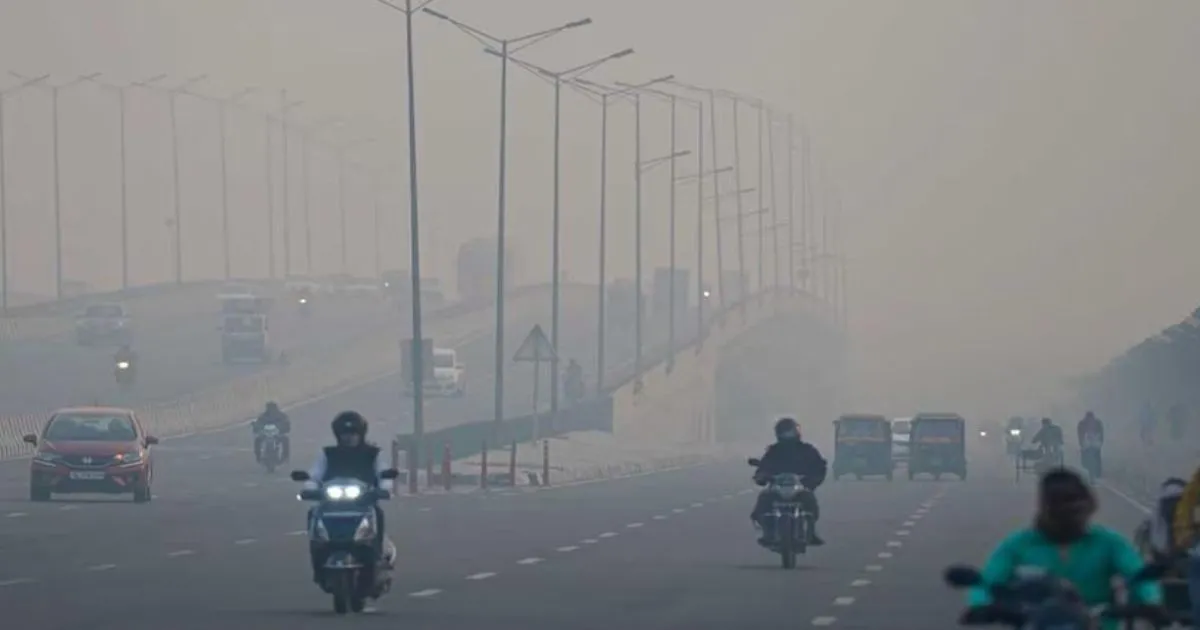
Delhi-NCR’s deadly smog has pushed air quality into the ‘severe’ zone again, impacting lungs, immunity, and long-term health. Here’s the full breakdown.
→ Read Full ArticleA Generation Growing Up Indoors
The impact on physical development is massive.
- Less outdoor play = weaker bones & muscles
- Reduced sunlight = vitamin D deficiency
- No running = weaker stamina
- No social play = reduced emotional intelligence
Doctors say Delhi children today show:
- higher rates of obesity
- slower motor development
- poor immunity
- weak cardiorespiratory endurance
This is a whole generation growing up in lockdown-like conditions every winter without calling it lockdown.
The Future Impact: What Happens When Polluted Kids Become Adults?
If Delhi continues on this trajectory, projections indicate:
By Age 18, an average Delhi child may have:
- 20–30% lower lung capacity than global averages
- higher probability of chronic illness in the 30s
- increased chance of heart disease by 40–45
- reduced cognitive performance
- shortened lifespan by 8–10 years
This isn’t speculation. It’s what India’s top pulmonary experts have been warning for years.
What we are seeing today is the first generation of urban Indian children growing up with structurally impaired lungs and brains.
The Hardest Truth: Pollution Discrimination
Pollution does not affect all children equally.
Children most at risk:
- Low-income families — no air purifiers, no masks.
- Outdoor worker communities — kids inhale street-level pollution daily.
- People living near highways or industries.
- Children with existing asthma or allergies.
Poor children breathe the worst air. Middle-class children breathe bad air. Only wealthy children get a chance at clean air indoors.
Pollution has become a social inequality crisis.
What Parents Can Do (Realistic, science-based steps)
While systemic change is essential, parents can:
- Use N95/FFP2 masks during outdoor exposure
- Install at least 1 HEPA purifier in sleeping area
- Keep windows closed during peak smog hours
- Include antioxidants in diet (Vit C, omega-3)
- Use saline nasal rinse for children
- Avoid early morning outdoor travel
- Keep indoor plants for micro-level improvement
- Regular lung checkups for kids with asthma
But parents shouldn’t carry this burden alone. This crisis requires government-level, region-wide action.
Conclusion: Delhi’s Children Deserve More Than a Childhood of Coughing
No child chooses where they are born. No child deserves lungs full of poison. No child should be growing up with stolen IQ points or compromised futures.
Delhi’s pollution isn’t just a climate failure. It’s an ethical failure.
A generation is being shaped not by opportunity, but by toxicity.
If we don’t act now, Delhi won’t just lose clean air. It will lose its future.