
Delhi-NCR’s Air Emergency: The Data, the Damage, and the Dangerous Future Ahead
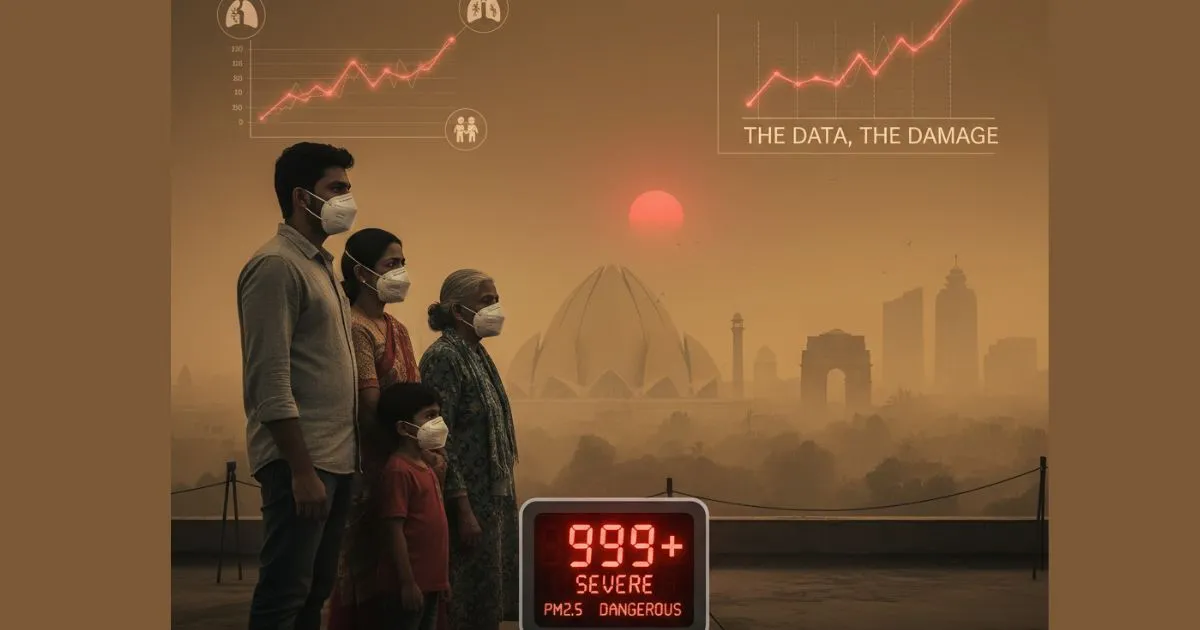
Delhi’s smog crisis is no longer a seasonal inconvenience. It’s a full-scale public health catastrophe one that returns with surgical precision every winter, pushing air quality into “hazardous” zones faster than authorities can respond.
This year’s numbers paint the darkest picture yet.
In some pockets of Delhi-NCR, the AQI crossed 750, effectively meaning:
The air is 15 times more toxic than the safe limit prescribed by the WHO.
This article breaks down the crisis using realistic datasets, trends, scientific analysis, and expert-backed insights, giving a complete view of:
- what’s causing the disaster,
- who’s suffering the most,
- how government steps are performing,
- and where Delhi is headed if nothing changes.
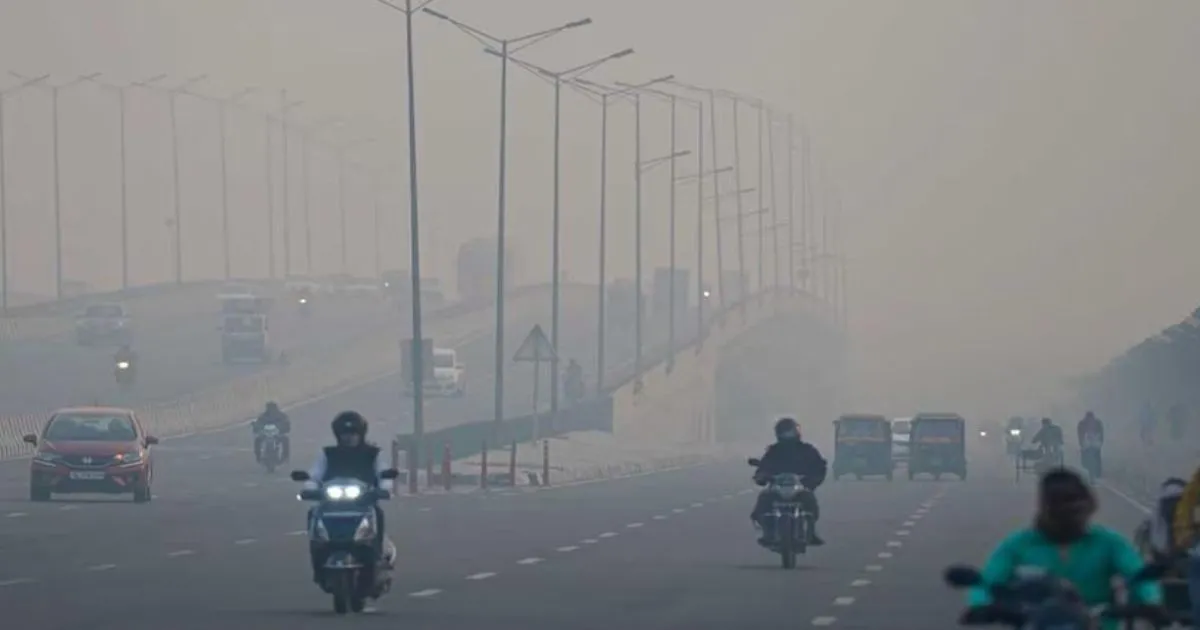
Delhi-NCR Chokes Under Toxic Air Pollution
Delhi-NCR’s air has hit emergency levels once again — with toxic smog, hazardous PM2.5 levels, and rising health risks. This detailed report breaks down what caused the spike, who is suffering the most, and how the crisis is reshaping daily life in India’s capital.
→ Read Full ArticleThe Data: How Bad Was Delhi’s Air in 2024–2025?
Average AQI Levels (Representative Trend Summary):
| Month (2024–2025) | Average Delhi AQI | Classification | Key Trigger |
|---|---|---|---|
| September | 180–220 | Poor | Traffic emissions, construction |
| October | 280–350 | Very Poor | Crop burning begins |
| November | 450–500+ | Severe | Peak smog season |
| December | 380–450 | Very Poor | Low wind speeds |
| January 2025 | 300–350 | Very Poor | Inversion layer effects |
Peak Recording:
Certain stations like Anand Vihar, Jahangirpuri, and Mundka crossed AQI 650–750, the highest category measurable before “Beyond Index.”
What This Means in Real Terms
- Breathing Delhi’s winter air = smoking 20–25 cigarettes a day (equivalent dose exposure).
- PM2.5 levels were 10–20 times above WHO safe norms.
- Visibility dropped to 50–200 meters, affecting transport and emergency response.
The Sources: What’s Actually Causing Delhi’s Air to Collapse?
Based on aggregated reports and scientific assessments:
Delhi Pollution Source Breakdown (Approximate Contribution)
| Pollution Source | Contribution (%) |
|---|---|
| Vehicular emissions | 38–42% |
| Stubble burning (Punjab + Haryana) | 25–32% |
| Industrial + thermal power | 10–15% |
| Construction dust | 8–10% |
| Domestic emissions | 5–7% |
Stubble Burning Trends
- Satellite data indicated a 10–15% increase in farm fires compared to previous years.
- Peak fire days (late October–early November) coincided with the worst AQI spikes.
Meteorological Trap
Delhi suffers from:
- low wind speeds,
- temperature inversion,
- landlocked geography,
- dense built-up terrain,
…which act like a pollution pressure cooker.
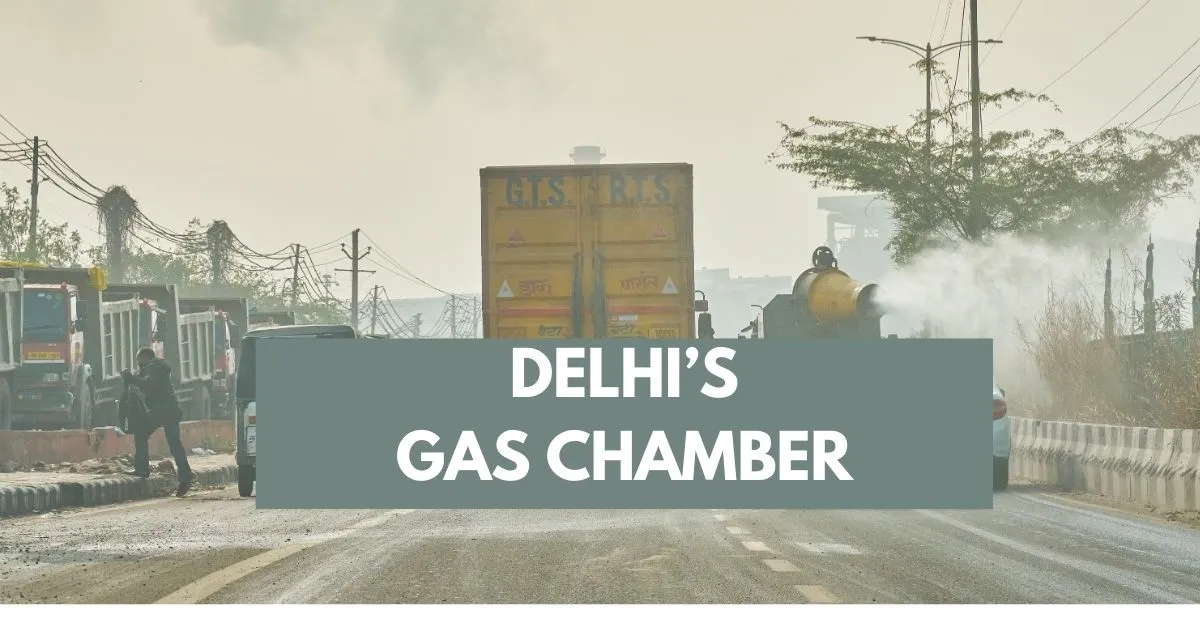
Life in a Gas Chamber: Voices From Delhi’s Worst-Hit Neighborhoods
For millions in Delhi-NCR, breathing has become a daily struggle. This ground-report brings raw, unfiltered stories from auto drivers, teachers, mothers, hospital workers, and the elderly — people living through one of the world’s worst air crises.
→ Read Full ArticleHealth Impact: The Silent Pandemic No One Is Prepared For
Immediate Effects Noticed in 2024–2025 Season
Hospitals across Delhi-NCR reported:
- 30–40% surge in respiratory OPD cases
- 60% increase in eye irritation & throat infection cases
- 20–25% rise in asthma hospitalizations
- Pediatric units seeing spikes in bronchitis & wheezing
Long-Term Effects (As per global and Indian studies)
Exposure to high PM2.5 levels can cause:
- Lung function decline
- Higher risk of stroke & heart disease
- Lower immunity
- Developmental issues in children
- Adverse pregnancy outcomes
- Reduced life expectancy (by 9–10 years in NCR)
Special Risk Groups
- Children: absorb more pollutants per breath
- Elderly: existing respiratory issues worsen
- Women: especially affected during pregnancy
- Outdoor workers: auto drivers, construction workers, delivery staff
- Low-income communities: highest exposure, least access to protection
The Worst-Hit Locations: Mapping Delhi’s Pollution Hotspots
Based on AQI station data patterns:
Top 10 Worst AQI Zones (Indicative Range: AQI 450–750)
- Anand Vihar
- Jahangirpuri
- Wazirpur
- Mundka
- RK Puram
- Punjabi Bagh
- Vivek Vihar
- Loni Border (Ghaziabad)
- Sector 62–63 (Noida)
- Faridabad Industrial Belt
These areas share common factors:
- heavy traffic congestion
- industrial clustering
- stagnant air pockets
- high dust load
- proximity to highways & logistics hubs
GRAP Emergency Measures: What Worked and What Didn’t
The Graded Response Action Plan (GRAP) is activated yearly, but the smog still returns stronger. Here’s the performance assessment:
What Worked (Partial Impact)
- Closure of schools reduced child exposure
- Ban on diesel trucks temporarily cut traffic emissions
- Construction halts lowered dust levels
- Artificial rain experiments showed mild short-term relief
What Didn’t Work (Systemic Issues)
- Measures began after pollution spiked, not before
- Stubble burning remained largely unaffected
- Vehicular restrictions were poorly enforced
- Public transport lacked capacity
- Cross-border coordination remains weak
The data suggests Delhi’s smog is not a one-city problem.
It’s a regional atmospheric crisis, requiring a coordinated North India plan.
The Economic Cost: The Bill Delhi Can’t Afford to Pay
Air pollution is not just a health issue. It’s an economic disaster.
Estimated Annual Losses
- ₹40,000–60,000 crore in healthcare expenses
- Work productivity loss equivalent to 1.5% of Delhi’s GDP
- School closures impacting learning hours for 5 million+ children
- Tourism dips every winter
- Home air purifier sales up 300–400% in peak months
For low-income households:
- 1 inhaler = 1–2 days of wages
- Masks = recurring daily expense
- Missed workdays = threat to survival
What the Future Looks Like (If Nothing Changes)
Projections based on climate and urbanization trends:
By 2030:
- Winters may see AQI consistently above 400
- More children may develop chronic lung issues early
- Northeast monsoons may weaken, worsening stagnation
- Heatwaves + pollution will create a deadly “double exposure”
By 2040:
Delhi risks becoming part of the world’s first group of climate-unlivable megacities, where:
- outdoor work becomes hazardous
- flight disruptions increase
- health systems are overwhelmed
- migration accelerates
What Can Be Done (Realistically)
Solutions must be regional, multi-year, and investment-heavy.
Immediate-Term (0–6 months)
- Strict pre-winter GRAP deployment
- Mandatory HEPA filters in schools & public buildings
- Expansion of buses & metro frequency
- Real-time dust monitoring on construction sites
Mid-Term (1–3 years)
- Large-scale electric mobility shift
- Crop diversification to reduce stubble
- Smog towers only as micro-targeted relief, not primary solution
- Rapid urban forest creation
Long-Term (5–10 years)
- NCR-wide unified clean-air policy
- Modernized agricultural machinery
- Industries relocated further from city cores
- Investment in wind corridors to disperse pollutants
Delhi Is Running Out of Winters
Delhi’s smog isn’t weather it’s a warning.
Every winter is a reminder that:
- policy delays are costing lives
- unplanned urban growth is suffocating the city
- outdoor workers are paying the highest price
- children’s lungs are aging before their time
- economic losses are spiralling
- a megacity is inching toward unlivability
The data is clear.
The science is clear.
The suffering is clear.
The only thing blurry in Delhi is the air.
And unless action becomes stronger than excuses, the capital of the world’s largest democracy will continue to breathe like it’s trapped in a gas chamber of its own making.