The Dark Truth Behind the Kohinoor Diamond That Britain Doesn’t Want You to Know

The Kohinoor diamond, one of the largest and most famous diamonds in the world, carries with it a legacy soaked in intrigue, betrayal, and colonial exploitation. Revered in India as a symbol of prosperity and divine power, the Kohinoor’s journey from Indian soil to the British Crown Jewels is a saga that continues to stir emotions and fuel debates to this day.
Table of Contents
Where It All Began: Origins of the Kohinoor
The Kohinoor, meaning “Mountain of Light” in Persian, is believed to have been discovered in the Kollur Mine of the Golconda region in present-day Andhra Pradesh, India. Historians trace its origins as far back as the 13th century, although some theories suggest that it may have been mined as early as 5,000 years ago. The first documented reference to the diamond dates back to the 14th century when it was in the possession of the Kakatiya dynasty.
Legend has it that the Kohinoor adorned the idol of a Hindu goddess in a temple before being seized by Alauddin Khilji during his invasion of Southern India in 1310. From here, the diamond began its tumultuous journey through the hands of various rulers and invaders.
The Mughal Era: A Jewel in the Peacock Throne
After Khilji, the Kohinoor passed through the hands of successive rulers until it came under the possession of the Mughal Empire in the 16th century. Emperor Babur mentioned the diamond in his memoirs, Baburnama, describing it as an asset beyond measure.
It was during the reign of Shah Jahan that the Kohinoor was embedded in the magnificent Peacock Throne, which was a symbol of Mughal opulence. The diamond, along with other priceless gems, reflected the glory of the empire. But the Mughal dynasty’s grip on the diamond was short-lived.
Persian Invasion and Nadir Shah’s Infamous Loot
In 1739, Nadir Shah of Persia invaded Delhi and plundered the riches of the Mughal Empire. It is believed that Nadir Shah took the Kohinoor with him to Persia, giving the diamond its name, “Kohinoor.” His possession of the gem, however, was brief, and following his assassination, the diamond changed hands once again.
After Nadir Shah’s death, the Kohinoor found its way to the Afghan ruler Ahmad Shah Durrani. For generations, the diamond remained with the rulers of Afghanistan, becoming a symbol of power in the region.
Ranjit Singh: Bringing Kohinoor Back to India
In 1813, Maharaja Ranjit Singh, the leader of the Sikh Empire, brought the Kohinoor back to India. He took possession of the diamond from Shuja Shah Durrani, the deposed Afghan king, as a token of gratitude for shelter and military aid.

Maharaja Ranjit Singh proudly displayed the Kohinoor as a symbol of Sikh pride and power. He intended to donate the diamond to the Jagannath Temple in Puri, Odisha, but his untimely death prevented this from happening.
The British Takeover: A Story of Deception
After the death of Maharaja Ranjit Singh in 1839, the British East India Company saw an opportunity to seize the prized diamond. Following the Second Anglo-Sikh War in 1849, the British annexed Punjab and took possession of the Kohinoor under dubious circumstances.
The Treaty of Lahore, signed in 1849, included a clause that forced Maharaja Duleep Singh, the 10-year-old successor of Ranjit Singh, to surrender the Kohinoor to the British. This act of coercion is viewed by many as an outright theft of India’s heritage.
The Kohinoor in British Hands: A Gift or a Stolen Legacy?
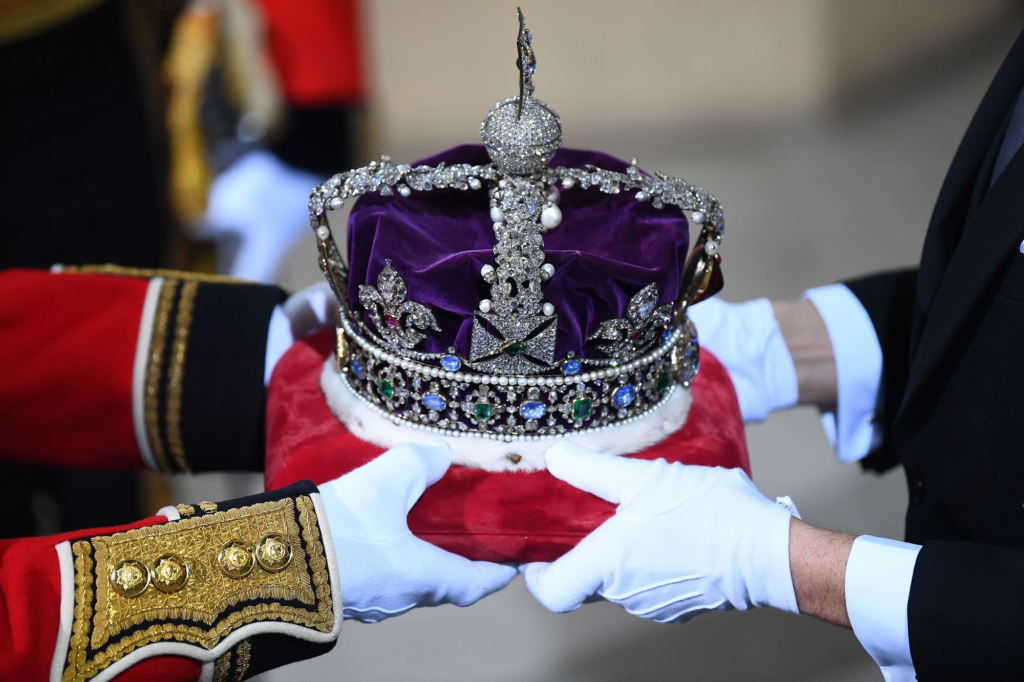
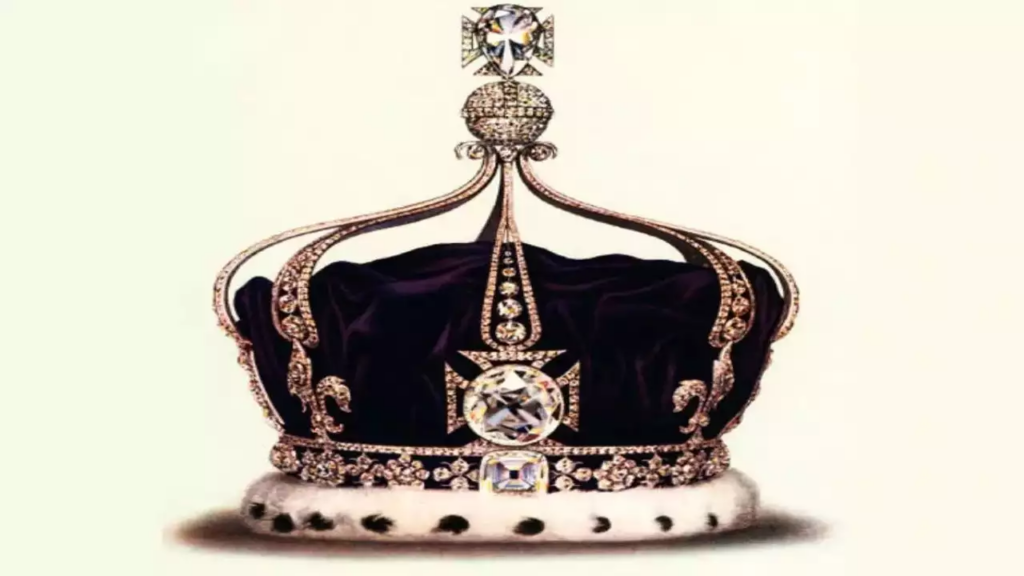
The Kohinoor was presented to Queen Victoria in 1850, marking its entry into British royal possession. However, the diamond was recut to enhance its brilliance, reducing its size from 186 carats to 105.6 carats. The newly shaped Kohinoor was set into Queen Victoria’s crown, and it now resides in the Tower of London as part of the British Crown Jewels.
India’s Demand for the Kohinoor’s Return
For decades, India has been demanding the return of the Kohinoor, arguing that it was taken under unfair and exploitative circumstances. Various Indian governments have raised the issue diplomatically, but the British government has consistently refused to repatriate the diamond.
The British government maintains that the Kohinoor was “gifted” to Queen Victoria, a claim that India strongly disputes. Many Indians view the Kohinoor as a symbol of colonial loot and believe its rightful place is back in India.
Why Is the Kohinoor So Controversial?
The controversy surrounding the Kohinoor lies in its historical context. The diamond was not voluntarily handed over but was taken after the annexation of Punjab, raising questions about the legality and morality of British possession. Moreover, the narrative that it was a “gift” ignores the coercive circumstances under which it was obtained.
FAQs About the Kohinoor Diamond
1. Where is the Kohinoor diamond now?
The Kohinoor is currently housed in the Tower of London, embedded in the Queen Mother’s crown.
2. How big is the Kohinoor now?
The Kohinoor weighs 105.6 carats after being recut by the British.
3. Was the Kohinoor stolen?
Many historians and experts argue that the Kohinoor was taken by the British under coercion, making it a symbol of colonial exploitation.
4. Has India formally asked for the Kohinoor’s return?
Yes, India has repeatedly requested the return of the Kohinoor, but the British government has refused to comply.
5. Did Maharaja Ranjit Singh intend to give the Kohinoor to a temple?
Yes, Maharaja Ranjit Singh wished to donate the Kohinoor to the Jagannath Temple, but his death prevented this from happening.
Kohinoor: A Diamond That Defines a Nation’s History
The Kohinoor is more than just a dazzling gem. It embodies India’s glorious past and the painful legacy of colonialism. While it continues to sit proudly in the British Crown Jewels, its rightful place remains a point of contention. As India’s call for its return grows louder, the Kohinoor serves as a reminder of the historical injustices that shaped the destiny of nations.
At RealShePower, we believe that understanding the true history of artifacts like the Kohinoor is essential in acknowledging the complexities of colonial legacies. Will the Kohinoor ever return to India? Only time will tell. But its story continues to inspire, ignite, and demand justice.