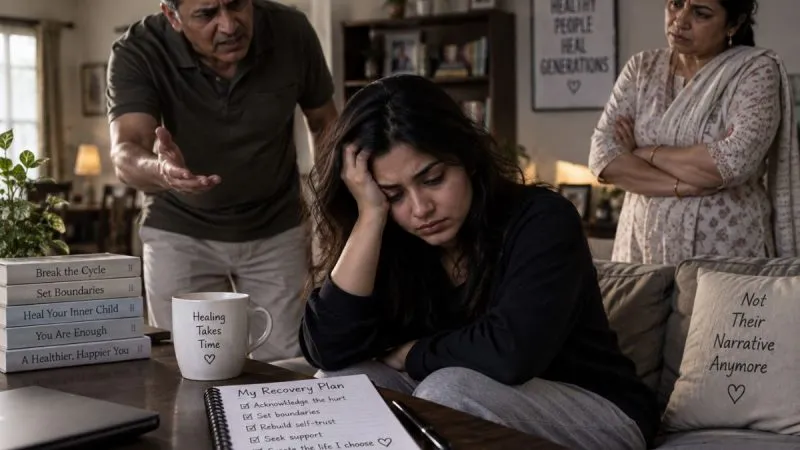
Positive Discipline vs. Punishment – What Actually Works?
(Parenting Series: The Right Things To Do – Part 4)
Introduction: Why This Matters
Every parent wants children who listen, behave respectfully, and understand right from wrong. But how we discipline them makes all the difference.
In many homes, discipline is often confused with punishment – yelling, spanking, shaming, or taking away privileges. While these tactics may stop bad behavior in the moment, they can damage your child’s self-esteem and your relationship in the long run.
Positive discipline is a better approach. It focuses on teaching rather than punishing, helping children understand the impact of their actions while feeling loved and respected.
Table of Contents
What’s the Difference?
Punishment
- Focuses on making the child “pay” for their mistake.
- Uses fear, shame, or pain as a tool.
- Often unrelated to the behavior (e.g., “You’re grounded for a week!”).
- Damages trust between parent and child.
Positive Discipline
- Focuses on teaching and guiding behavior.
- Uses respect, communication, and natural consequences.
- Helps children take responsibility for their actions.
- Strengthens the parent-child relationship.
“Punishment stops behavior temporarily. Discipline teaches behavior for life.” – Dr. Jane Nelsen, author of Positive Discipline
Why Punishment Fails in the Long Run
- Creates fear, not respect: Children may behave out of fear, but they don’t truly understand why.
- Damages self-worth: Shaming language (“You’re so naughty!”) makes children feel bad about themselves.
- Breeds resentment and rebellion: Kids may comply in front of you but misbehave when you’re not around.
- Doesn’t teach better choices: Punishment rarely explains what the child should do differently next time.
The Principles of Positive Discipline
1. Connect Before You Correct
Children are more likely to listen when they feel understood.
- Instead of yelling, get to their level and calmly say:
“I can see you’re upset, but hitting your sister is not okay. Let’s talk about what happened.”
2. Use Natural and Logical Consequences
Consequences should be directly related to the behavior.
- If they spill juice, they help clean it up.
- If they forget homework, they face the teacher’s reaction.
🚫 Avoid unrelated punishments like “No TV for a week!” – it doesn’t teach responsibility.
3. Focus on Solutions, Not Blame
Ask questions that guide problem-solving:
- “What could you do differently next time?”
- “How can we fix this together?”
4. Teach Self-Control
Model calm behavior. If you lose your temper, your child learns that yelling is acceptable. Take a pause and return to the situation calmly.
Indian Parenting Context: Why Positive Discipline is Needed
Many Indian parents grew up with spanking, threats, or public shaming. This “fear-based” parenting may have worked in the short term, but it often left emotional scars.
Positive discipline shifts the approach from control to guidance. Children raised with this method:
- Have higher self-esteem.
- Are more honest (because they’re not afraid of punishment).
- Build stronger relationships with parents.
Examples: Punishment vs. Positive Discipline
Scenario 1: Child refuses to do homework
- Punishment: “If you don’t finish now, no dinner for you!”
- Positive Discipline: “Homework must be done before play. If it’s not finished, you’ll have to use playtime tomorrow to complete it.”
Scenario 2: Child breaks a toy in anger
- Punishment: “I’m taking away all your toys!”
- Positive Discipline: “I understand you’re angry, but breaking toys isn’t okay. How can we calm down next time? And how can we fix or replace the toy you broke?”
Real-Life Story: Positive Discipline in Action
Raghav, a 10-year-old in Delhi, often shouted at his younger sister. His parents’ first reaction was to yell back, which led to more fighting.
They switched to positive discipline:
- They calmly acknowledged his feelings (“I know your sister annoys you sometimes”).
- They reminded him of the rule (“No yelling or hitting in this house”).
- They taught him to walk away and take deep breaths when angry.
Within weeks, his outbursts reduced significantly because he now had tools to manage anger, instead of just fearing punishment.
Expert Insights
Dr. Ritu Sharma, child psychologist, says:
“Positive discipline builds cooperation. Children need to know their parents are on their side, even when they make mistakes. Punishment breaks that trust.”
Actionable Takeaways for Parents
- Replace “What’s wrong with you?” with “What happened?”
- Use natural and logical consequences, not unrelated punishments.
- Avoid labeling (“lazy,” “naughty”) – focus on the behavior, not the child.
- Praise effort and good behavior more often than you criticize.
- Stay calm and consistent – yelling or hitting teaches the wrong lesson.
Conclusion: Discipline is About Teaching, Not Controlling
Children need guidance, not fear. Positive discipline helps them understand the impact of their actions and teaches them to make better choices – even when you’re not around.
Remember: Your goal is not to control your child’s every move, but to help them learn self-control.
Next in the Series
👉 Part 5: Nurturing Emotional Intelligence – Teaching Kids to Manage Their Feelings