Unseen India: A Guide to Regional Festivals and Tribal Traditions
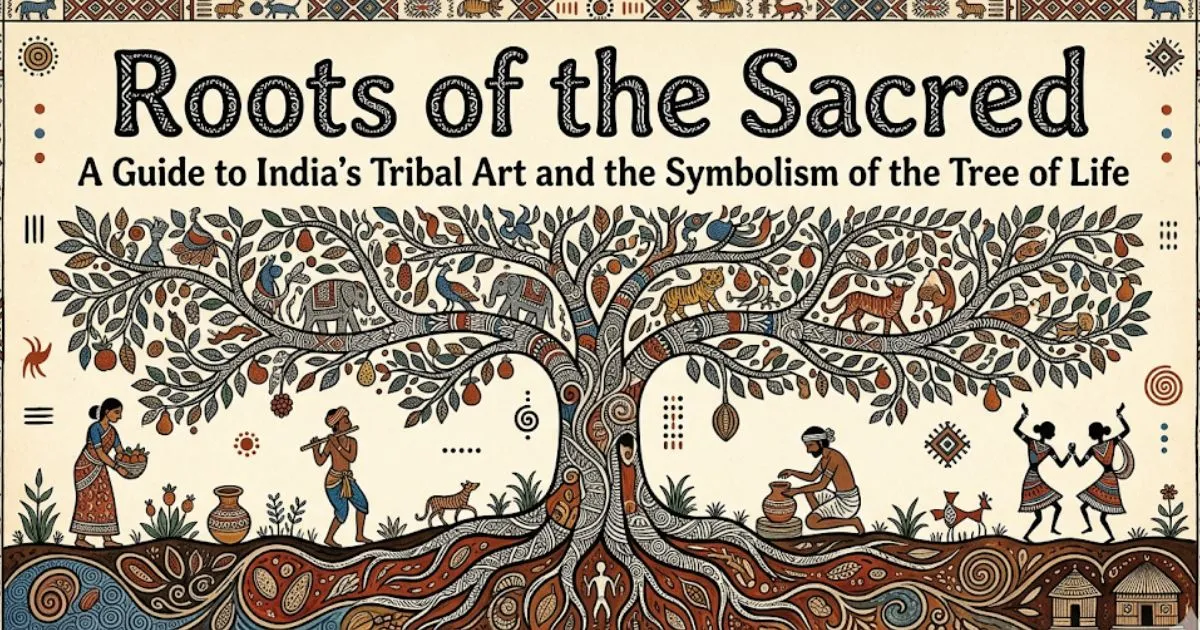
India is often defined by its massive, pan-Indian celebrations—the lights of Diwali, the colors of Holi, or the grandeur of the Kumbh Mela. Yet, beneath this visible layer lies a complex, ancient, and incredibly diverse “Unseen India.” This is the India of the 700+ recognized tribes (Adivasis) and the regional communities whose festivals are not just celebrations, but survival mechanisms for their history, ecological knowledge, and spiritual identity.
To understand India in the 21st century, one must look toward the fringes—the high-altitude valleys of the northeast, the dense forests of Central India, and the isolated salt marshes of the west. Here, traditions have been preserved not through textbooks, but through oral histories and communal rituals that predate modern religious structures.
1. The Ecological Spirits: Central India and the Bastar Region
In the heart of India lies Chhattisgarh, home to the Bastar region. Unlike many Indian festivals that follow the lunar calendar to honor deities, the tribal festivals here are often deeply tied to the land and the local chieftains (Manjhis).
The Bastar Dussehra (The 75-Day Festival)
While the rest of India celebrates Dussehra as the victory of Lord Rama over Ravana, the tribal communities of Bastar celebrate a 600-year-old tradition dedicated to Danteshwari Mai, the local goddess.
- Duration: At 75 days, it is cited as the longest festival in the world.
- Key Rituals: The festival involves the construction of a massive, eight-wheeled chariot (Ratha) by specialized tribal craftsmen using traditional tools.
- The Unseen Element: The ritual of Kachan Gaadi, where a young girl from the Weaver community is believed to be possessed by the goddess and grants permission to start the festivities. This reflects a social structure where every caste and tribe has a specific, indispensable role.
Madai Festival
Traveling through the villages of Narayanpur or Kondagaon, you will encounter the Madai Festival. It is a nomadic celebration that moves from one village to another. The air is thick with the scent of mahua liquor and the sound of the Tudumburi (drum). Here, the tribal gods—represented by ornate poles called Angadevs—are brought out to meet and “socialize” with the gods of neighboring villages.
2. The Northeast: Land of the Rising Sun and Ancestral Echoes
The “Seven Sister” states of Northeast India offer a cultural landscape that feels distinct from the Indo-Gangetic plains. Here, the traditions are animistic, honoring the elements and the ancestors.
The Hornbill Festival (Nagaland)
Known as the “Festival of Festivals,” Hornbill is a massive congregational event held every December at the Kisama Heritage Village.
- Purpose: It was established to revive and protect the heritage of the 16 major Naga tribes.
- The Experience: Each tribe has its own Morung (youth dormitory) where they showcase their unique war dances, indigenous games, and culinary traditions. It is a masterclass in cultural preservation through tourism.
Myoko Festival (Arunachal Pradesh)
Deep in the Ziro Valley, the Apatani tribe celebrates the Myoko Festival in March. Unlike the Hornbill, which is a spectacle for outsiders, Myoko is an intimate, sacred ritual focused on prosperity and fertility.
The Apatani Philosophy: The Apatani are world-renowned for their sustainable farming practices. During Myoko, the shamans chant long narratives that recount the history of their migration, reinforcing the community’s bond with the valley’s ecology.
3. The Desert Mystics: Gujarat and Rajasthan
In the arid West, festivals are a vibrant defiance of the harsh landscape.
The Rann Utsav and the Tribes of Kutch
While the Rann Utsav has become a major tourist draw, the “unseen” part lies in the villages of the Jat, Mutwa, and Sodha tribes.
- The Art of Survival: Their embroidery isn’t just decoration; it’s a language. Each stitch identifies a woman’s tribe, her marital status, and her village.
- Bhunga Living: Visitors can experience life in Bhungas—mud houses with thatched roofs that are naturally earthquake-resistant and thermally insulated.
Baneshwar Fair (The Tribal Kumbh)
In Rajasthan’s Dungarpur district, the Bhil tribe gathers at the confluence of the Mahi and Som rivers. It is a somber yet beautiful event where tribespeople immerse the ashes of their ancestors, followed by a week of folk songs, magic shows, and traditional archery competitions.
4. The Southern Reach: High Ghats and Ancient Rhythms
The Western Ghats of Kerala and Karnataka are home to some of India’s most visually striking and oldest ritualistic performances.
Theyyam (Kerala)
Theyyam is not just a dance; it is an “invocation.” The performer—usually from a lower-caste community—undergoes a rigorous process of transformation through heavy makeup and costume until they are believed to become the deity.
- Social Justice through Ritual: In the sacred groves (Kavu) of North Malabar, Theyyam acts as a democratic forum. During the trance, the deity listens to the grievances of the villagers and can even rebuke the wealthy or the high-caste for their injustices.
Kambala (Karnataka)
In the coastal districts of Karnataka, the Kadri Kambala (buffalo race) is a traditional event held in water-filled paddy fields. It is a tribute to Lord Kadri Manjunatha (an incarnation of Shiva) to ensure a good harvest.
5. Timeline of India’s Unseen Festivals
Because these festivals are often tied to harvest cycles and lunar movements, their timing is essential for travelers and researchers.
Myoko Festival
Late MarchCelebrated by the Apatani tribe in Arunachal Pradesh to ensure a bountiful harvest and community harmony.
Baneshwar Fair
January / FebruaryThe largest tribal gathering in Rajasthan, where the Bhil community honors their ancestors and Lord Shiva.
Bastar Dussehra
September / OctoberA 75-day extravaganza in Chhattisgarh that honors Goddess Danteshwari and tribal unity.
Hornbill Festival
December 1–10A grand showcase of Naga tribal culture, music, and food in Nagaland.
Theyyam Season
December to AprilRitualistic performances across the North Malabar region of Kerala, held in ancient sacred groves.
6. The Challenges of Modernity and the Path to Preservation
As India urbanizes at a rapid pace, these unseen traditions face significant threats:
- Migration: Youth leaving tribal villages for cities often lose touch with oral traditions.
- Climate Change: Many festivals are tied to specific flower blooms or river levels; as these change, the rituals lose their ecological context.
- Commoditization: While tourism brings money, it can “dilute” sacred rituals into mere performances for cameras.
The Role of Digital Media
For content strategists and publishers, the goal is to document these traditions with empathy and accuracy. Rather than treating them as “exotic,” digital platforms can provide a space for tribal voices to tell their own stories, ensuring that “Unseen India” remains visible to the world without losing its soul.