
What Happens to Your Body When You Don’t Get Enough Vitamin A?
Deficiency Symptoms, Risks, And How To Fix Them Naturally
Summary
Vitamin A deficiency is more common than most people realize, especially among adults with poor diets, vegans without proper planning, individuals with gut issues, and women with hormonal imbalances. This nutrient plays a critical role in eyesight, immunity, skin repair, reproductive function, and organ health.
When the body does not receive enough Vitamin A, the damage is gradual but significant—leading to vision problems, recurring infections, fatigue, rough skin, and long-term cellular decline.
This article explains what Vitamin A deficiency does to the body, who is most at risk, the warning signs, and how to restore levels safely through food.
Table of Contents
Why Vitamin A Deficiency is Increasing
Modern lifestyle patterns contribute to depletion:
- Low fruit/vegetable consumption
- Over-reliance on processed food
- Undiagnosed gut absorption issues
- High stress + poor sleep affecting nutrient usage
- Vegan diets without carotenoid planning
- Excessive screen time increasing eye strain
- Chronic inflammation damaging cell metabolism
11 Warning Signs That Suggest Your Vitamin A Levels Are Low
If multiple apply, deficiency is likely.
- Night blindness or difficulty seeing in low light
- Dry, itchy, or burning eyes
- Reduced tear production (gritty or sandy feeling)
- Recurring colds, flu, or infections
- Slow wound healing, frequent breakouts
- Dry or scaly skin, premature aging
- Hair breakage, thinning, or dull texture
- Persistent fatigue or decreased stamina
- Brittle nails or white ridges
- Memory fog or difficulty focusing
- Hormonal imbalance or irregular cycles (women)
These symptoms do not confirm deficiency on their own, but together they create a strong pattern.
Who is Most at Risk?
Vitamin A deficiency is especially common among:
| Group | Why It Happens |
|---|---|
| Vegans & Vegetarians | No retinol intake, carotenoid conversion issues |
| Women with PCOS/Hormonal imbalance | Higher nutrient demand for cellular regulation |
| People with gut issues | Poor absorption (IBS, gastritis, fatty liver, low bile flow) |
| Smokers & heavy drinkers | Oxidative stress destroys carotenoids |
| Teens & office workers | Screen fatigue + poor diet combo |
How Low Vitamin A Affects the Body (Organ by Organ)
Eyes
- Night blindness, dry eyes, weak retinal integrity
- Difficulty adjusting from bright to dim light
Skin
- Rough texture, inflammation, breakouts, acne scars healing slowly
- Dull tone due to poor cell turnover
Immunity
- Recurring viral + bacterial infections
- Slower recovery from illness
Hormones & Reproductive Health
- Imbalanced menstrual cycles
- Reduced fertility markers
Gut & Digestion
- Weak mucosal lining → poor nutrient absorption
- Increased acidity, bloating, and inflammation risk
MUST READ
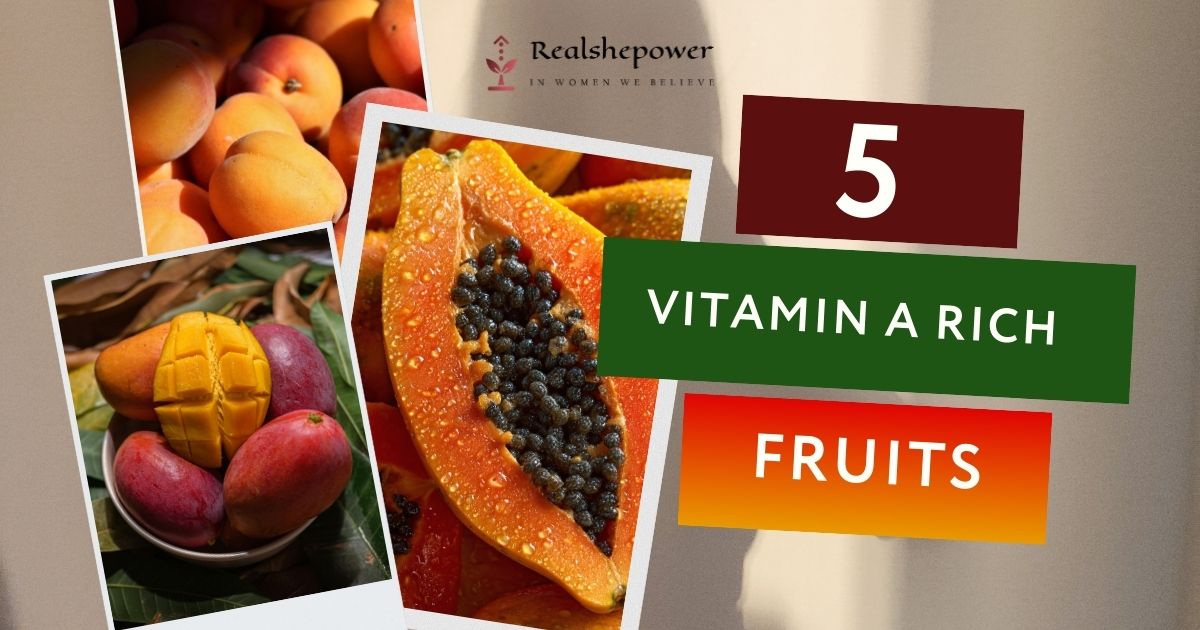
Best Fruits Rich in Vitamin A
Discover the top Vitamin A fruits for better eyesight, skin renewal, immune strength, and natural nutrient absorption — safely and effectively.
Read Full Guide →How to Restore Vitamin A Correctly (Without Toxicity)
Instead of jumping to supplements, restore levels systematically.
Step 1: Add Food-First Vitamin A Sources
Retinol sources (instantly usable):
- Eggs
- Dairy: ghee, curd, paneer
- Liver (for non-vegetarians)
Carotenoid sources (conversion-based):
- Mango, papaya, apricots, cantaloupe
- Sweet potatoes, carrots
- Spinach, kale, moringa, fenugreek leaves
Step 2: Fix Absorption
Vitamin A absorption requires healthy fats + stomach acid.
- Add 1 teaspoon ghee/olive oil with meals
- Lemon/vitamin C for plant source conversion
- Avoid overcooking greens
- Don’t pair high-sugar foods with carotenoids
Step 3: Support the Liver & Gut
Since Vitamin A metabolism depends on the liver:
- Warm lemon water in the morning
- Reduce alcohol & processed sugar
- Include probiotics (curd or fermented foods)
- Reduce heavy fried meals
MUST READ
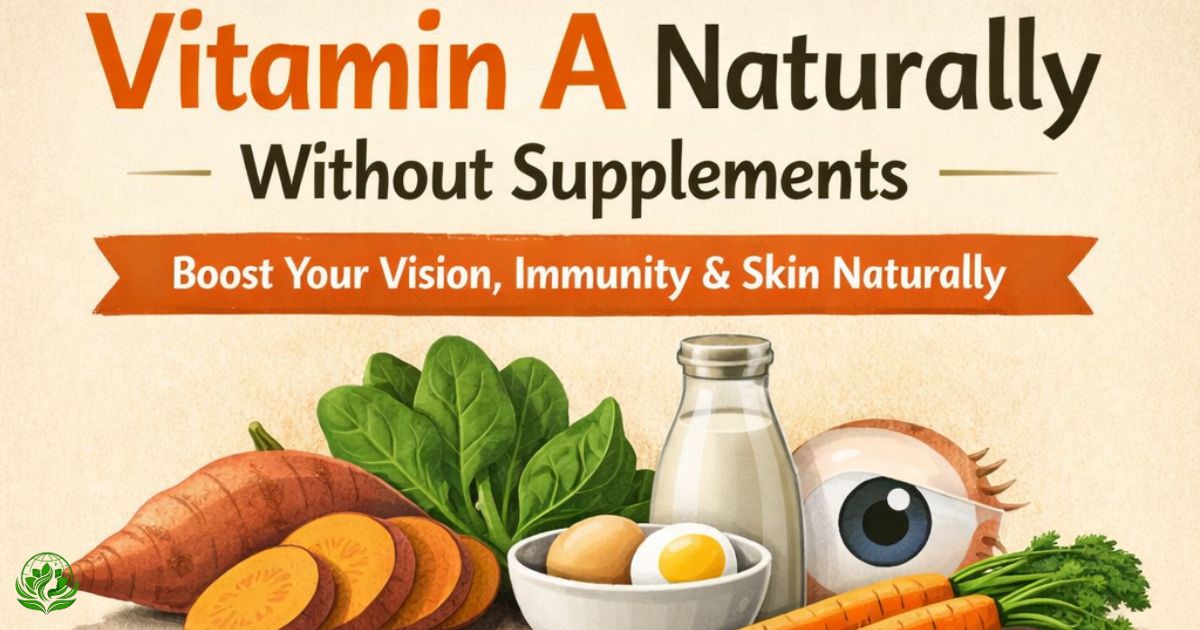
Increase Vitamin A Naturally (Safe & Effective)
Learn how to boost Vitamin A levels safely through food, absorption techniques, and daily habits — without relying on supplements.
Read Full Guide →Sample Daily Plan to Rebuild Vitamin A
| Time | Food Strategy |
|---|---|
| Morning | Papaya + almonds |
| Breakfast | Spinach omelette / methi paratha |
| Lunch | Dal + rice + sabzi + 1 tsp ghee |
| Snack | Carrot & sweet potato bowl |
| Dinner | Protein + leafy greens |
| Before Bed | Warm milk / moringa drink |
Should You Take Supplements?
Supplements are only advisable when:
- A deficiency is clinically confirmed
- There is a gut absorption issue
- A doctor recommends it during pregnancy or chronic illness
NEVER self-dose high amounts. Vitamin A toxicity is real, and food is always safer when possible.
Conclusion
Vitamin A deficiency is not sudden it builds quietly, affecting the eyes, skin, hormones, metabolism, and immunity. With intentional diet changes, correct food pairing, and better lifestyle practices, Vitamin A levels can be restored naturally in most cases.
If symptoms are severe or persistent → medical testing is the most responsible next step.
MUST READ
Best Fruits Rich in Vitamin A
Discover the top Vitamin A fruits for better eyesight, skin renewal, immune strength, and natural nutrient absorption — safely and effectively.
Read Full Guide →