
US Navy Torpedoes History: Sinks Over 30 Iranian Ships in Epic Fury – First Torpedo Kill Since WWII!
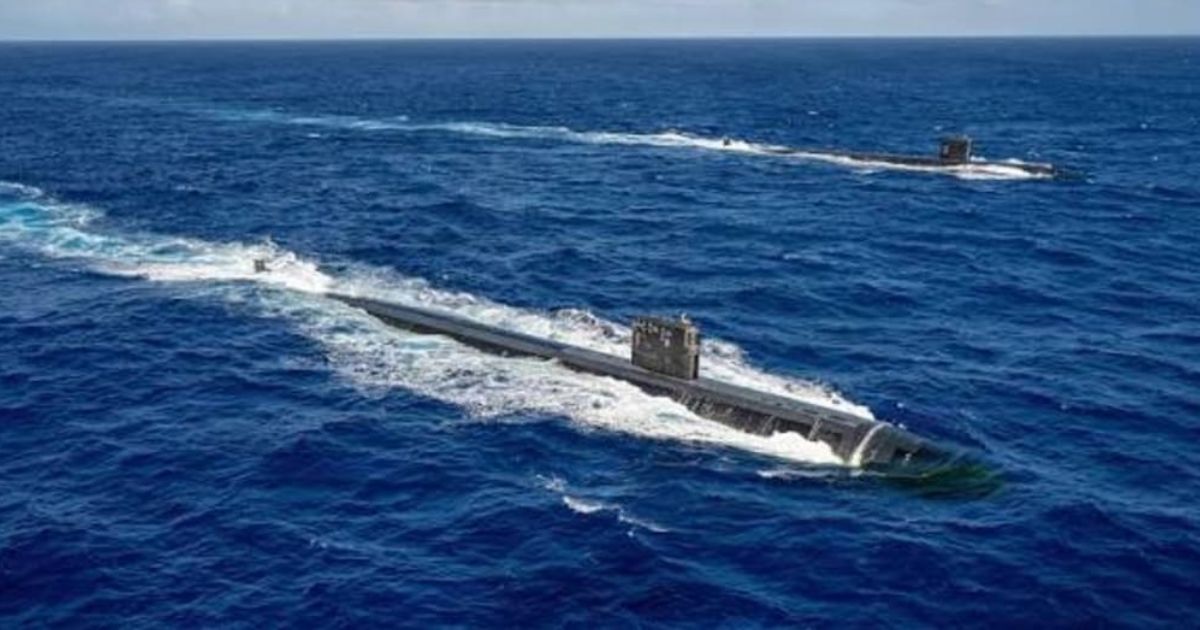
The U.S. Navy has inflicted severe damage on Iran’s naval forces in the escalating conflict under Operation Epic Fury, sinking or destroying more than 30 Iranian vessels including a high-profile submarine torpedo strike on a warship and a targeted strike on a key drone carrier military officials confirmed Thursday.
In a major development marking a historic milestone, a U.S. fast-attack submarine used a single Mk-48 torpedo to sink an Iranian frigate in the Indian Ocean off the southern coast of Sri Lanka late Tuesday. Defense Secretary Pete Hegseth described the attack as a “quiet death,” emphasizing that the vessel believed it was safe in international waters. The strike, confirmed by the Pentagon, represents the first time a U.S. Navy submarine has sunk an enemy combatant ship with a torpedo since World War II, ending an 81-year drought in such actions.
The targeted ship was identified by Iranian authorities as the IRIS Dena, a frigate returning from a naval exhibition in India. Sri Lanka’s navy reported recovering 87 bodies and rescuing 32 survivors following a distress call, with dozens more missing and presumed lost. The Pentagon released video footage showing the torpedo impact, a massive explosion near the stern, and the vessel rapidly taking on water before sinking.
Separately, U.S. Central Command (CENTCOM) officials reported that the total number of Iranian ships sunk or destroyed has now exceeded 30 since the operation began on February 28. This includes widespread strikes on Iranian naval bases along the Persian Gulf and Gulf of Oman, such as Bandar Abbas and Konarak, where satellite imagery has shown multiple sunken vessels, fires, and destroyed infrastructure.
Among the notable targets was Iran’s drone carrier IRIS Shahid Bagheri (also referred to in some reports as a large vessel roughly the size of a World War II-era aircraft carrier), which was hit in port shortly after the campaign’s launch. The Shahid Bagheri, a converted container ship commissioned by the Islamic Revolutionary Guard Corps Navy (IRGCN) in early 2025, was designed to launch drones and rotorcraft and represented a significant advancement in Iran’s asymmetric naval capabilities.
Adm. Brad Cooper, commander of CENTCOM, stated in recent briefings that U.S. forces have neutralized Iran’s ability to project naval power in key waterways, including the Arabian Gulf, Strait of Hormuz, and Gulf of Oman. “No Iranian ship is underway in those areas,” Cooper said earlier this week, adding that additional strikes have damaged Iran’s most capable submarine and other assets. Officials noted that ballistic missile and drone launches from Iran have decreased substantially as a result of the broader campaign, which has struck nearly 2,000 targets across the country in its first 100 hours.
The naval campaign is part of a joint U.S.-Israeli effort to dismantle Iran’s military infrastructure, including missile sites, air defenses, and IRGC command centers. President Donald Trump has repeatedly described the operations as decisively “knocking out” Iran’s navy and air force.
Iran has condemned the attacks as acts of aggression and vowed retaliation, with officials in Tehran claiming the sinking of the Dena was an “atrocity” and threatening further asymmetric responses. The conflict, now in its second week, has widened beyond the Middle East, raising concerns about spillover into international shipping lanes and regional stability.
The U.S. military has not released full details on all vessels targeted or the specific platforms involved in the broader sinkings, citing operational security. However, officials emphasized that the focus remains on degrading Iran’s ability to threaten U.S. forces and allies in the region.
Don’t miss reading :
➤ How Operation Epic Fury Is Rippling Through the Global Economy
➤ First Torpedo Sinking Since WORLD WAR II Escalates Global Conflict
➤ Iran in Crisis: War and Revolution (March 2026)
➤ Why Peace In The Middle East Remains A Distant Dream Even After A Century Of Wars