Exploring the Hidden Culinary Trails of Jorhat and Majuli
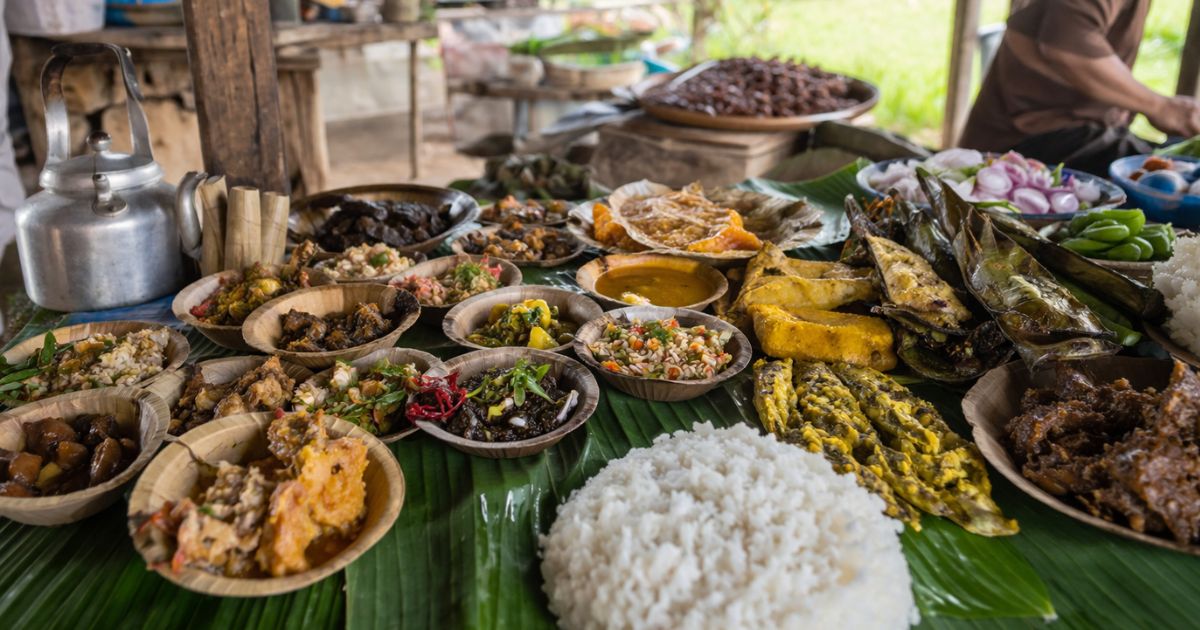
In 2026, the “Jorhat Renaissance” has found a new, delicious dimension: Gastro-Tourism. While the tea gardens provide the scenery, it is the tribal kitchens of Upper Assam and the riverine flavors of Majuli that are capturing the hearts of global food explorers. Travelers are moving away from standardized hotel buffets toward a “Hard Pivot” into indigenous, fire-smoked, and fermented flavors.
1. The Mising Kitchen: Fire, Smoke, and Apong
In the stilt houses (Chang Ghars) of Majuli, the kitchen is the center of the universe. The Mising tribe, the primary inhabitants of the island, have perfected a culinary style that is as much about preservation as it is about taste.
- Smoked Delicacies: A signature of the region is Khorika—meats (typically pork or fish) slow-smoked over the central hearth. The smoke from the wood fire gives the meat a distinct, earthy depth that no modern grill can replicate.
- The Elixir of the Island: No culinary trail is complete without Sai Mod or Poro Apong. These traditional rice beers, fermented with over 30 varieties of local herbs and charred husks, are increasingly being recognized by sommeliers for their complex, smoky profiles.

2. The Ahom Legacy: Purple Rice and Heritage Spices
Jorhat, being a former capital of the Ahom Kingdom, carries the culinary DNA of a dynasty. In 2026, there is a massive resurgence in the cultivation and consumption of Aghoni Bora (Purple Sticky Rice).
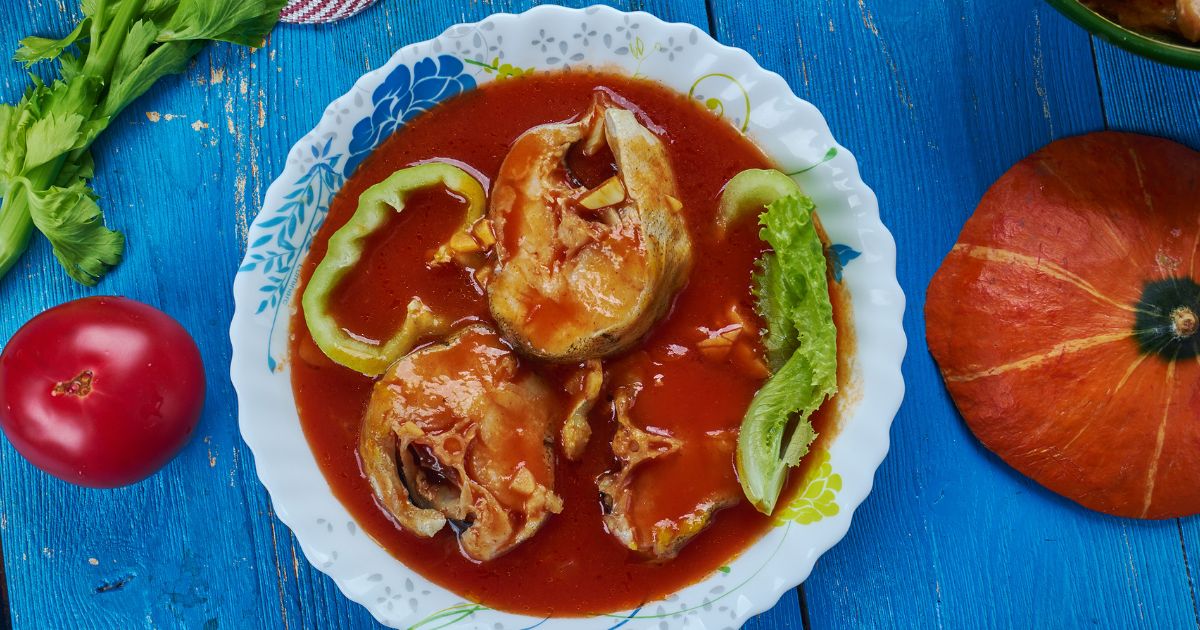
- Laboni: This heritage variety of rice is often served with mati mahor dali (black gram lentils) and masor tenga (sour fish curry). The souring agent is usually outenga (elephant apple) or thekera, providing a probiotic-rich, tangy kick that is quintessential to the Assamese palate.
- The Urban Twist: High-end boutique stays in Jorhat are now hosting “Royal Ahom Thalis,” reviving 600-year-old recipes that utilize indigenous herbs like maan dhania (culantro) and bhoot jolokia (ghost pepper) in controlled, flavorful doses.
3. Sustainable Foraging: The “Farm-to-Folk” Movement
What sets the 2026 Jorhat food scene apart is the absence of commercial pesticides. The region has become a hub for Foraging Tourism.
Travelers are joining local guides to forage for:
- Dhekia Saak: Fiddlehead ferns found near the banks of the Brahmaputra.
- Baah Gaj: Tender bamboo shoots, which are fermented (Khorisa) to add a pungent, umami punch to curries.
- Eri Polu: For the adventurous, silkworm pupae stir-fried with local spices are gaining “superfood” status due to their high protein content and sustainable farming.
The 2026 Foodie Mandate
By choosing the “Hidden Culinary Trails” of Jorhat and Majuli, travelers are directly supporting local biodiversity and ensuring that the indigenous knowledge of the Northeast remains a living, breathing (and eating) tradition.

Upper Assam’s Culinary Essentials
| Dish/Ingredient | Origin | Why It’s Trending in 2026 |
| Khorika Pork | Mising Tribe | Authentic wood-smoke flavor; zero processed oils. |
| Bhoot Jolokia Chutney | Regional | Global interest in “Extreme Flavors” & heat tolerance. |
| Masor Tenga | Assamese Heritage | High probiotic value from natural souring agents. |
| Khorisa (Bamboo) | Indigenous | Rise of “Umami” and fermented food for gut health. |