Veppampoo Pachadi Recipe 2026: Mastering the Six Tastes of Life
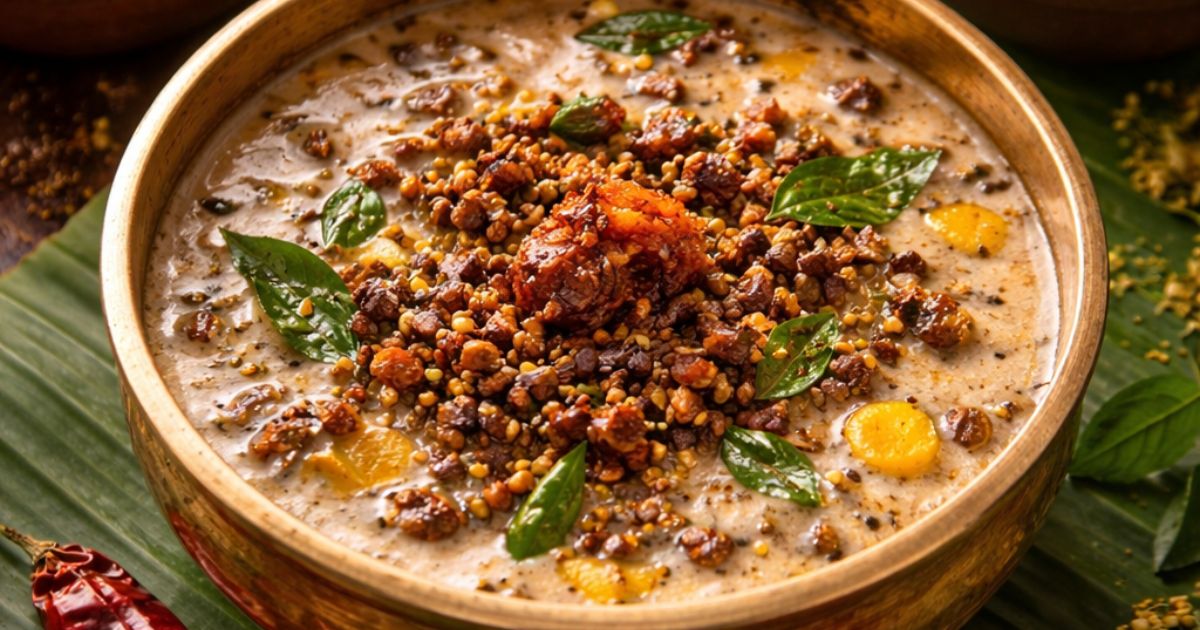
Preparing Veppampoo Pachadi is far more than a kitchen task; it is a culinary exercise in philosophy. In South Indian tradition—particularly during the New Year festivals of Puthandu and Ugadi—this dish serves as a tangible reminder that life is a composite of diverse experiences. To master it, you must balance six distinct flavors so that no single element, especially the medicinal bitterness of the neem, overwhelms the palate.
The Six Tastes: A Map of Life
In the 2026 wellness landscape, the concept of Shadrasa (six tastes) is gaining traction as a blueprint for nutritional completeness. Before you begin cooking, it is essential to understand what each ingredient represents in the journey of the coming year:
- Sweet (Jaggery): Represents the moments of joy and happiness.
- Sour (Raw Mango): Symbolizes the inevitable challenges and trials.
- Bitter (Neem Flowers): Represents life’s sorrows and losses.
- Spicy (Green Chili): Denotes the sparks of anger and passion.
- Salty (Salt): Represents the presence of fear or caution.
- Astringent (Turmeric/Mustard): Symbolizes moments of surprise or disgust.
By consuming all six simultaneously, we acknowledge that a fulfilling life requires the acceptance of every emotion in equal measure.
<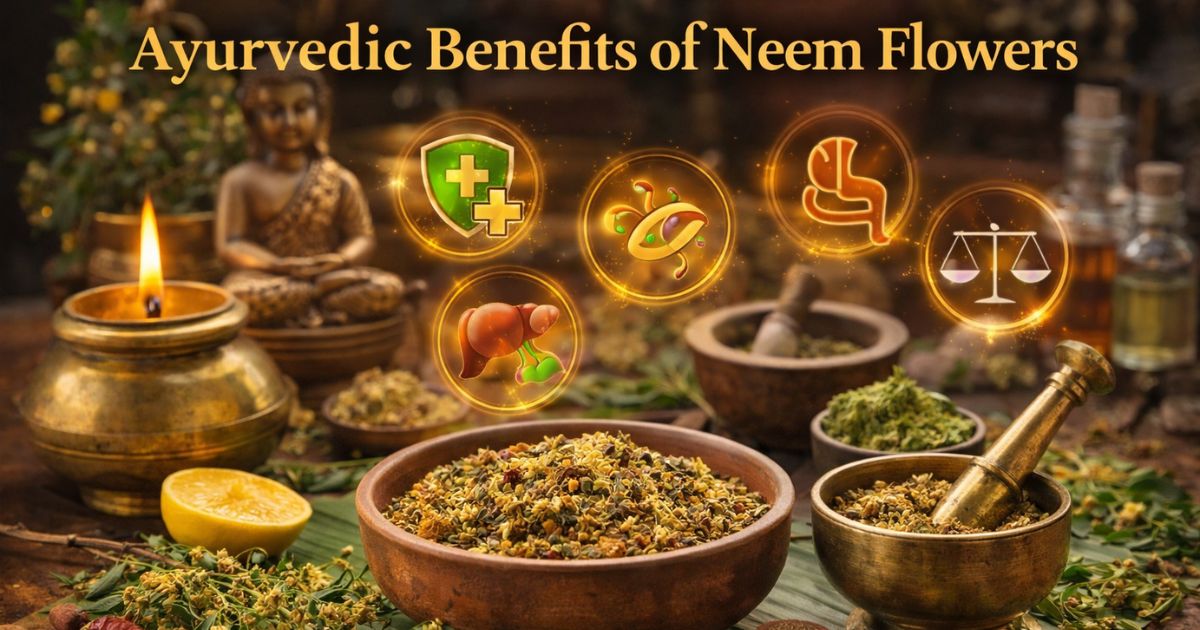
Ayurvedic Benefits of Neem Flowers: Detox Guide
Discover how neem flowers may support detoxification, immunity, and dosha balance through traditional Ayurvedic practices alongside modern scientific perspectives.
Read Full Guide →Ingredients Checklist
To create this “life-map” in a bowl, gather the following:
- Dried Neem Flowers: 2 tsp (the essential bitter soul)
- Raw Mango: 1 cup, peeled and finely chopped (the sour base)
- Jaggery: ½ cup, powdered or grated (adjust to your preference)
- Green Chilies: 1–2, slit (for heat)
- Salt & Turmeric: A pinch of each
- For Tempering: 1 tsp ghee, ½ tsp mustard seeds, 1 dried red chili, and a sprig of curry leaves.
The Method: A Step-by-Step Evolution
1. Simmer the Mango Base
10–12 minutes
Place the chopped raw mango in a pot with just enough water to cover it. Add turmeric and salt. Simmer until the mango pieces are completely soft and mashable with a spoon. If the mango is too fibrous, you may lightly mash it to create a thicker “jam” consistency.
2. Incorporate the Sweetness
5 minutes
Add the jaggery and slit green chilies to the softened mango. Stir well as the jaggery melts into a dark, golden syrup. Let it simmer until the mixture thickens slightly. The result should be a glossy, viscous sauce that coats the back of a spoon.
3. Prepare the Tempering
2 minutes
Heat ghee in a small pan. Splutter the mustard seeds and add the red chili and curry leaves. The ghee is crucial here—its fat acts as a buffer that mellows the sharp bitterness of the neem flowers.
4. The Critical Garnish
30 seconds
Add the dried neem flowers to the hot ghee. Fry them on low heat only until they turn a dark, toasted brown. They should smell nutty and fragrant, like toasted cocoa. Warning: If they turn black, they will taste burnt rather than bitter; discard and restart if this happens.
5. Final Infusion
Immediate
Pour the hot ghee and fried flowers over the mango-jaggery base. Stir gently. The residual heat from the base will pull the nutty aroma from the flowers into the sauce, creating the final flavor profile.
The 2026 Perspective
While traditionally a New Year staple, this Pachadi is trending in modern “Functional Medicine” circles as a prebiotic power-bowl. The high fiber content of raw mango combined with the potent antimicrobial properties of neem makes it an excellent digestive tonic. It clears the palate and prepares the gut for the shift in seasonal diets as the summer heat intensifies.
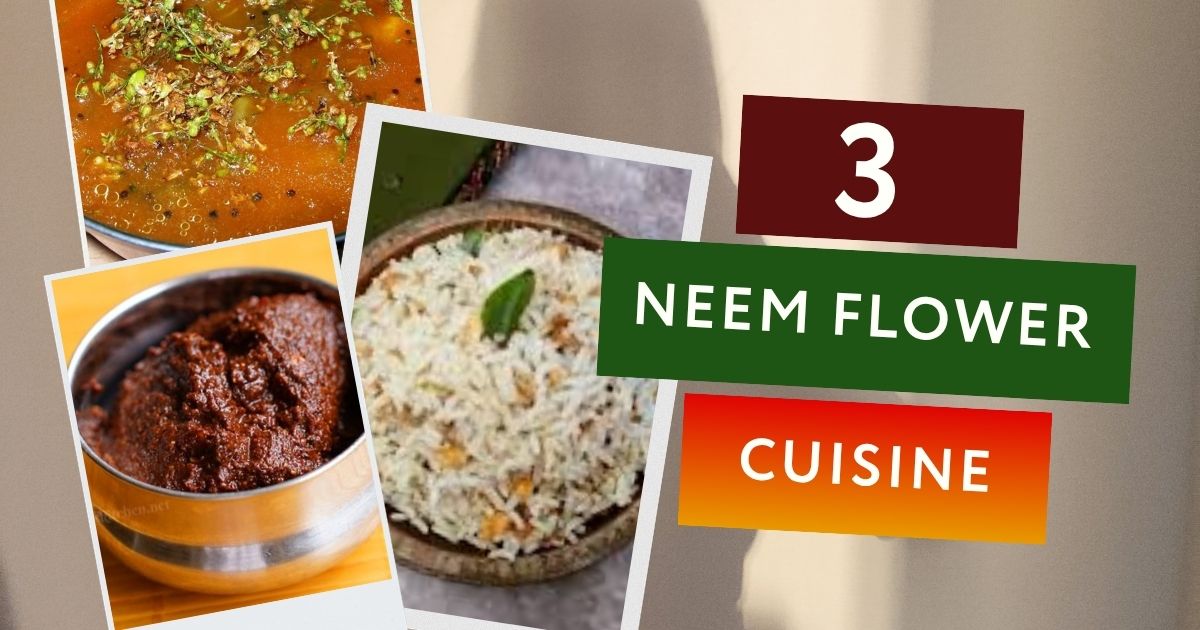
Traditional Neem Flower Recipes of South India
From veppampoo rasam to pachadi and chutneys, explore how neem flowers are transformed into powerful, symbolic dishes rooted in South Indian tradition and wellness.
Explore Recipes →Neem Flowers vs. Neem Leaves: The Ayurvedic Difference
While both come from the same tree (Azadirachta indica), they serve different purposes. Neem leaves are highly concentrated in azadirachtin, making them intensely bitter and often used for skin disorders or extreme detox. Neem flowers, however, are much milder.
They are primarily used in cooking because their bitterness is “aromatic” and easier on the digestive tract. While leaves are often treated as medicine, the flowers are treated as a seasonal dietary supplement to keep the blood cool during the spring-to-summer transition.
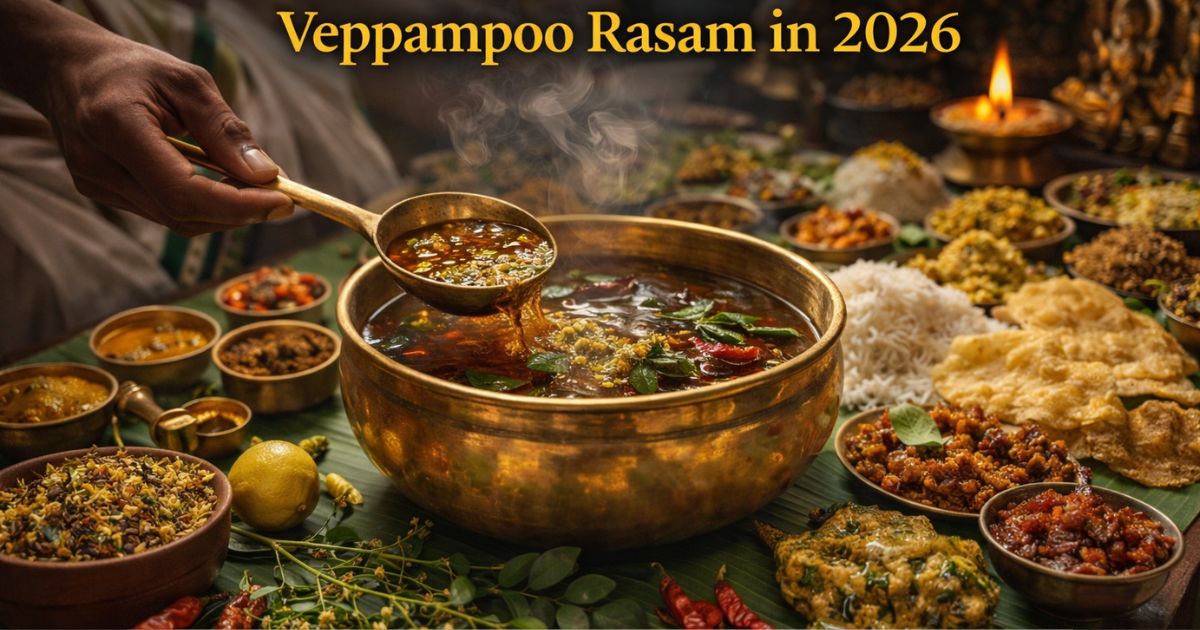
Bitter Soul of the Sadhya: Mastering Veppampoo Rasam
Discover the deep cultural meaning of Veppampoo Rasam—a bittersweet dish symbolizing life’s contrasts, served during Vishu Sadhya and Tamil New Year traditions.
Read Full Guide →