The Sangla Valley: The Golden Gateway of Kinnaur
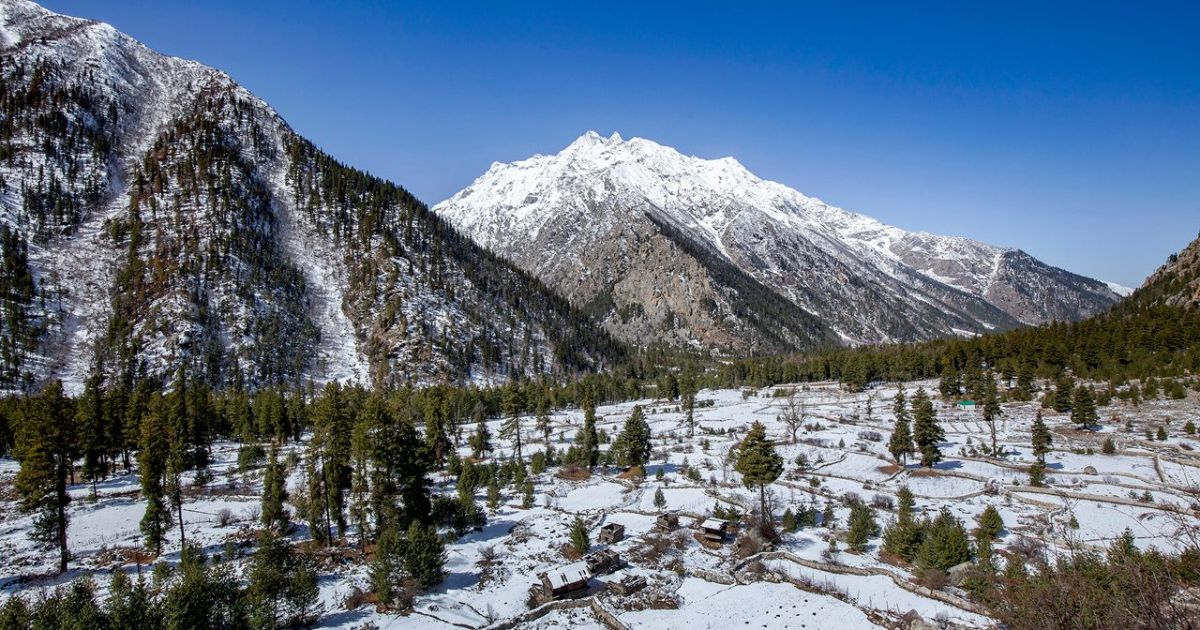
If you travel toward the Tibetan border in the Kinnaur district, you find the Sangla Valley (also known as the Baspa Valley). It is widely considered one of the most beautiful high-altitude valleys in the world, where the ruggedness of the Himalayas softens into orchards of world-famous Kinnauri apples.
The Baspa River and the Giant Peaks
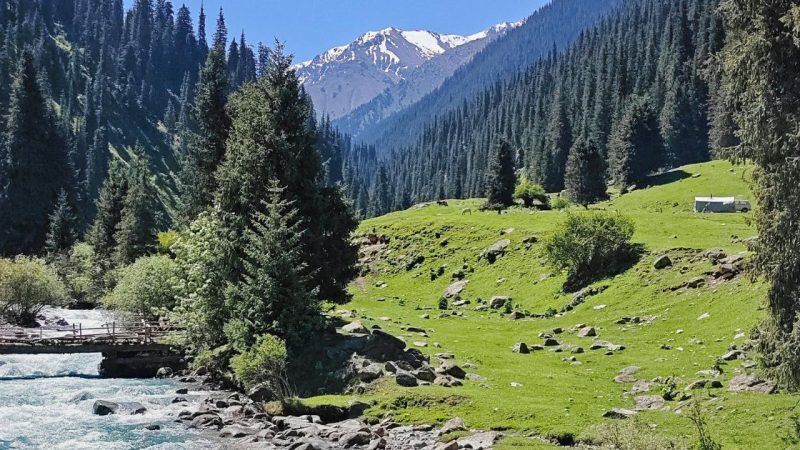
The valley is carved by the Baspa River, which meanders through wide, sun-drenched meadows. Towering above the greenery are the jagged, snow-dusted peaks of the Kinner Kailash range. The contrast here is striking: deep blue skies, white peaks, and the vibrant pink of buckwheat fields that bloom in the late summer.
The Last Village: Chitkul
A journey through the Sangla Valley inevitably leads to Chitkul, the last inhabited village on the Indo-Tibetan border.
- The End of the Road: It is a surreal feeling to stand at the point where the motorable road simply stops, leaving nothing but mountains and ancient trade routes ahead.
- The Architecture: The houses are built with intricate wood carvings and slate roofs, centered around a beautiful temple dedicated to the goddess Mathi.
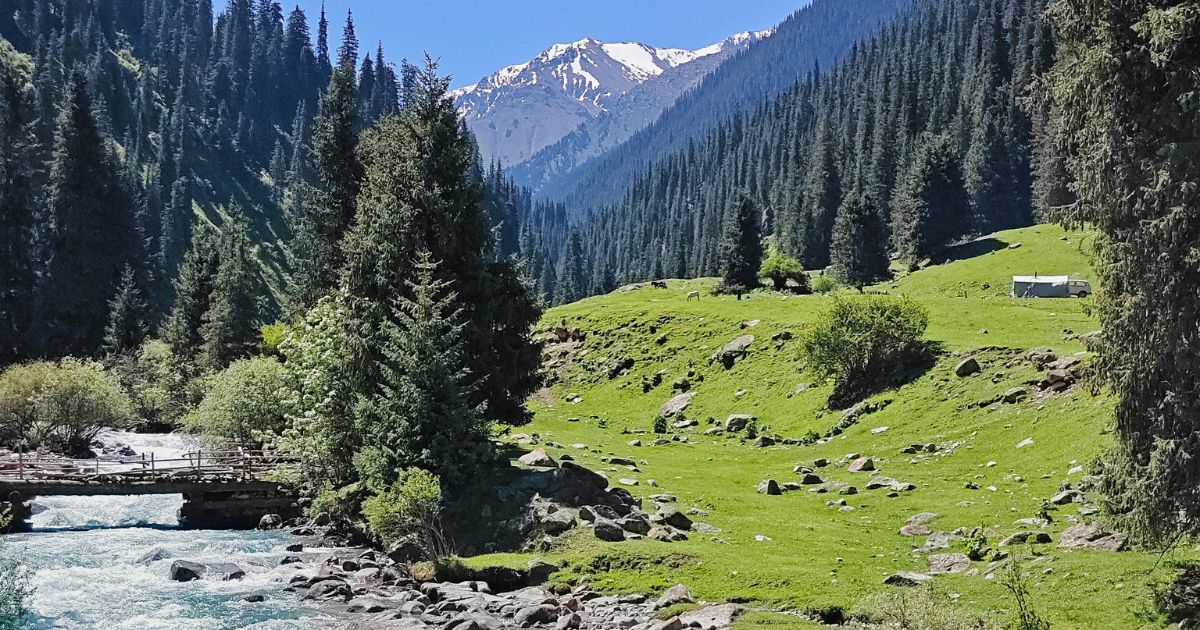
From scenic riverside walks to high-altitude adventures, explore the most breathtaking trekking routes in Sangla Valley.
Tradition and Timber
The culture in Sangla is a fascinating blend of Hinduism and Tibetan Buddhism.
- Kamru Fort: A towering, vertical structure made of stone and wood that looks out over the entire valley. It served as the seat of the erstwhile rulers of Bushahr and houses a shrine to the deity Kamakhya Devi.
- The Kinnauri Cap: You’ll notice almost everyone wearing the iconic green-velvet-trimmed Kinnauri cap—a symbol of local pride and hospitality.
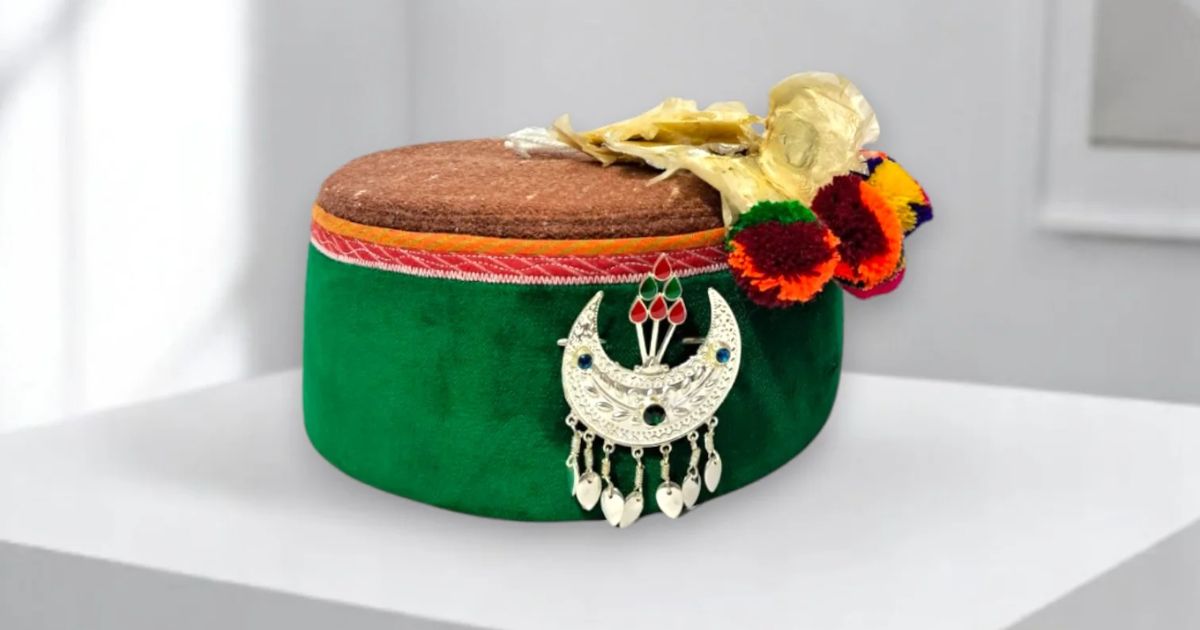
Discover the rich traditions, local lifestyle, and untold cultural stories of Himachal’s breathtaking Sangla Valley.
The Saffron and the Apple
The valley is incredibly fertile. Depending on the season, you might see:
- Apple Orchards: The valley is famous for its high-quality, crunchy apples that are exported globally.
- Cedar Forests: Massive deodar and pine trees line the slopes, filling the air with a sharp, refreshing scent.
- Trout Farming: The cold, oxygen-rich waters of the Baspa are ideal for trout, and you can often find fresh catches at local riverside camps.
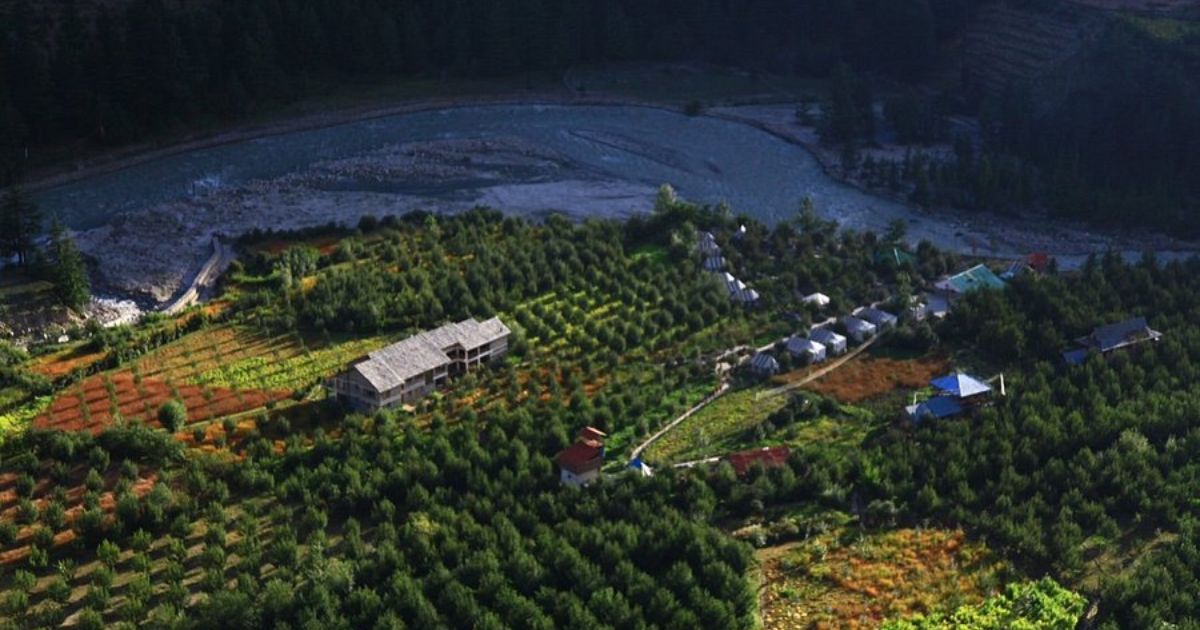
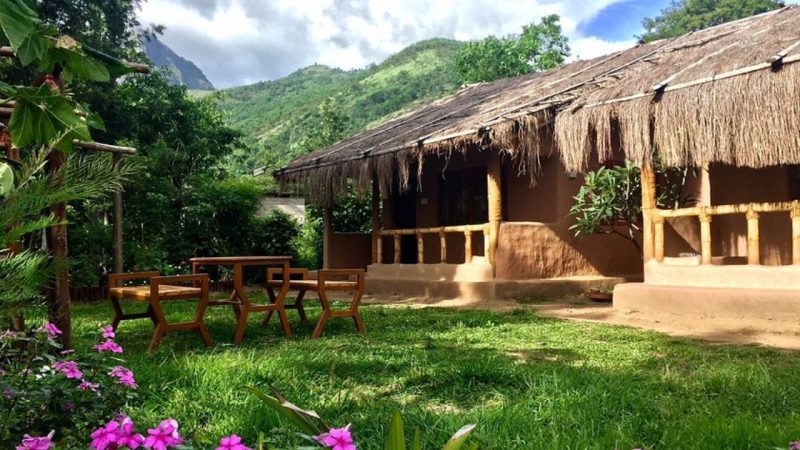
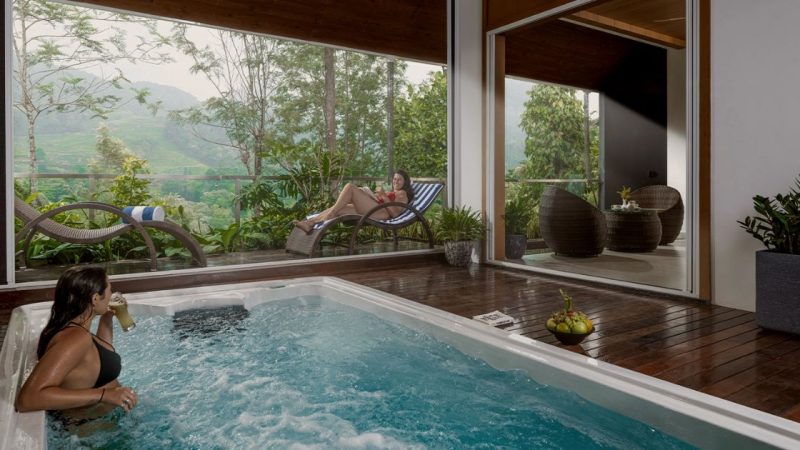
Where to Stay in Sangla Valley: Best Hotels & Camps Guide
Discover the best stays in Sangla Valley—from riverside camps in Batseri to cozy homestays and scenic retreats surrounded by the Himalayas.
Explore Stays →The Vibe
Sangla feels like a transition point between two worlds. It has the comfort of the lower Himalayas but the spiritual, windswept atmosphere of the Tibetan plateau. It’s a place for travelers who want to feel the edge of the world without losing the warmth of mountain hospitality.