
Devastating Cloudburst in Uttarkashi: A Tragic Natural Disaster
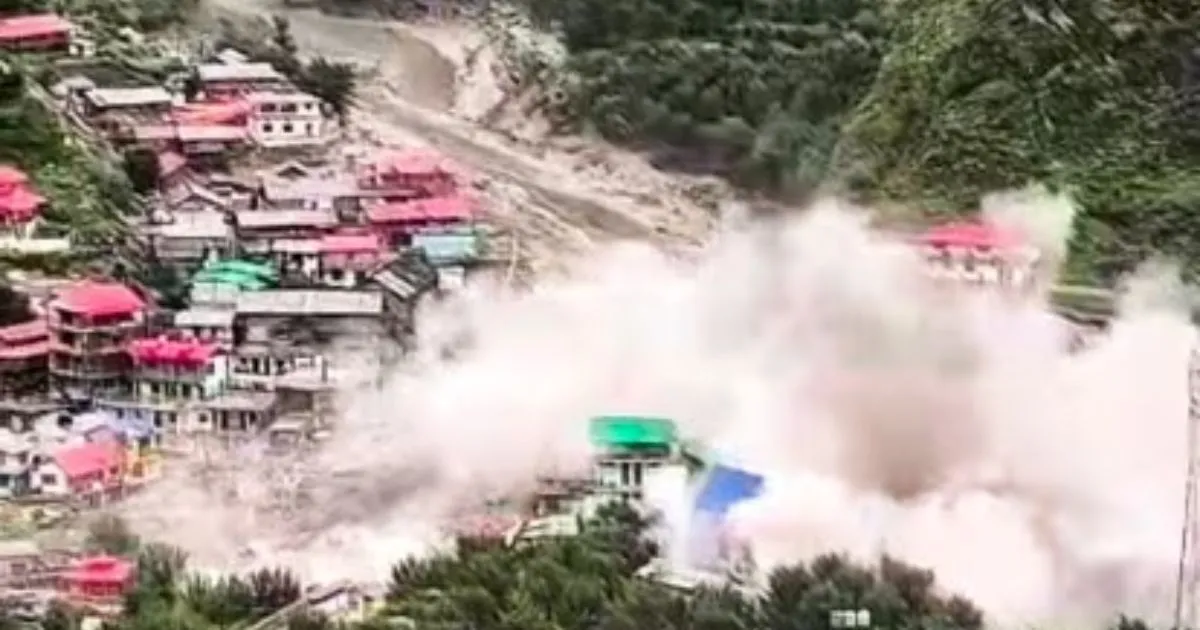
On August 5, 2025, a catastrophic cloudburst struck the Dharali village in Uttarkashi district, Uttarakhand, triggering flash floods and landslides that caused widespread destruction. This natural disaster, centered in the catchment area of the Kheer Ganga river, has left a trail of devastation, claiming lives, displacing families, and destroying infrastructure. As rescue operations continue, the incident underscores the vulnerability of Himalayan regions to extreme weather events and the urgent need for disaster preparedness.
Table of Contents
What Happened?
At approximately 1:45 PM on August 5, 2025, a cloudburst unleashed a torrent of water, mud, and debris in Dharali village, located near Harsil, about 4 km from an Indian Army camp and a key stop for pilgrims en route to Gangotri Dham. The sudden deluge, fueled by the overflowing Kheer Ganga river and its tributary, Kheer Gadh, swept away homes, shops, hotels, and homestays, leaving entire villages in ruins. According to initial reports, at least five people have lost their lives, with over 30 individuals feared missing or buried under debris. Local estimates suggest that 10-12 people could still be trapped, and 20-25 hotels and homestays may have been washed away.
Three hours later, another cloudburst was reported in Sukki, approximately 16 km from Dharali, further compounding the region’s woes. Visuals captured by tourists and shared on social media showed raging waters carrying debris, crushing trees, and engulfing settlements, with residents scrambling for safety amid scenes of chaos and panic.
The Impact
The cloudburst caused unprecedented destruction in Dharali, a high-altitude village near the revered Gangotri Dham and the winter seat of Ganga Ji at Mukhba. The flash floods washed away roads, bridges, and buildings, cutting off connectivity to Gangotri Dham and isolating the region. The overflowing Kheer Gadh drain intensified the damage, with eyewitnesses describing a “massive wave” of water and mud that overwhelmed the village. Local resident Rajesh Panwar told media outlets that the scale of destruction was unlike anything he had witnessed before, with screams filling the air as people fled for higher ground.
The disaster has disrupted the lives of residents and pilgrims alike. Uttarkashi, a key pilgrimage hub, is home to numerous guest houses, hotels, and restaurants catering to tourists. The loss of these establishments has not only affected livelihoods but also raised concerns about trapped laborers and visitors. The Uttarkashi District Magistrate, Prashant Arya, confirmed the deployment of multiple rescue teams to assess the damage and search for survivors.
Response and Rescue Efforts
The response to the disaster has been swift, with multiple agencies mobilizing to assist the affected areas. Teams from the State Disaster Response Force (SDRF), National Disaster Response Force (NDRF), Indian Army, Uttarkashi Police, and fire services are conducting search and rescue operations on a war footing. The Indian Army’s Ibex Brigade was among the first to reach the site, recovering at least one body from the debris. The Indo-Tibetan Border Police (ITBP) has dispatched two teams, totaling around 30 personnel, to aid in relief efforts. Union Home Minister Amit Shah assured Uttarakhand Chief Minister Pushkar Singh Dhami of full central government support, with four NDRF teams also en route to the site.
Chief Minister Dhami expressed profound grief over the tragedy, stating, “The news of heavy losses due to the cloudburst in Dharali is extremely sad and painful. I am constantly in touch with senior officials, and the situation is being closely monitored.” Prime Minister Narendra Modi and Defence Minister Rajnath Singh also extended condolences, emphasizing that the central and state governments are working together to save lives.
The Uttarkashi District Emergency Operation Centre has issued emergency contact numbers (01374222126, 01374222722, 9456556431) for those seeking assistance.
Understanding Cloudbursts
A cloudburst is a sudden, intense rainstorm that delivers more than 10 cm of rain per hour over a small area, typically around 10 square kilometers. Common in mountainous regions like the Himalayas, cloudbursts are triggered by orographic lifting, where moist air rises and cools as it travels up mountain slopes, leading to rapid cloud formation and heavy rainfall. The India Meteorological Department (IMD) notes that these events are difficult to predict due to their localized nature and short duration, making them particularly dangerous. Cloudbursts often lead to flash floods and landslides, as seen in Uttarkashi, where the steep terrain and monsoon dynamics amplify their impact.
The IMD had forecasted extremely heavy rainfall in Uttarakhand on August 5, with warnings of continued heavy rain in hilly areas until August 10. This monsoon season, the Himalayan states of Uttarakhand and Himachal Pradesh have faced relentless rainfall, with rivers like the Ganga in Haridwar and the Kali flowing above danger levels. Neighboring Himachal Pradesh has reported 103 deaths this season, including 17 due to cloudbursts and eight from flash floods, highlighting the region’s vulnerability.
Broader Context and Challenges
The Uttarkashi cloudburst is part of a broader pattern of monsoon-related disasters in the Himalayan region. In recent years, Uttarakhand and Himachal Pradesh have faced frequent cloudbursts, landslides, and flash floods, often exacerbated by climate change and unplanned development. For instance, a 2021 cloudburst in Chamoli, Uttarkashi, and Pithoragarh caused significant damage, while a 2020 cloudburst in Himachal Pradesh’s Kullu and Kinnaur districts led to similar destruction. These events underscore the need for better forecasting, early warning systems, and sustainable development practices in vulnerable areas.
The region’s complex topography, combined with monsoon dynamics, makes it prone to such disasters. However, human factors, such as deforestation, construction in floodplains, and inadequate infrastructure, often worsen the impact. The closure of 310 roads in Himachal Pradesh, including a national highway, due to rain-triggered blockages illustrates the scale of the challenge. In Uttarakhand, continuous rainfall has forced school closures in Dehradun and disrupted pilgrimage routes, further straining resources.
Moving Forward
The Uttarkashi cloudburst is a stark reminder of the Himalayan region’s fragility and the devastating consequences of extreme weather events. As rescue operations continue, the focus must shift to long-term solutions, including:
- Improved Forecasting: While cloudbursts are hard to predict, advancements in satellite and ground monitoring systems could enhance early warning capabilities.
- Sustainable Development: Regulating construction in flood-prone areas and preserving natural ecosystems can mitigate disaster risks.
- Community Preparedness: Educating residents and tourists about evacuation protocols and emergency contacts can save lives.
- International Cooperation: Sharing best practices and resources with neighboring countries can strengthen disaster management in shared river basins.