A Taste of the High Himalayas: The Culinary Heritage of Sangla Valley
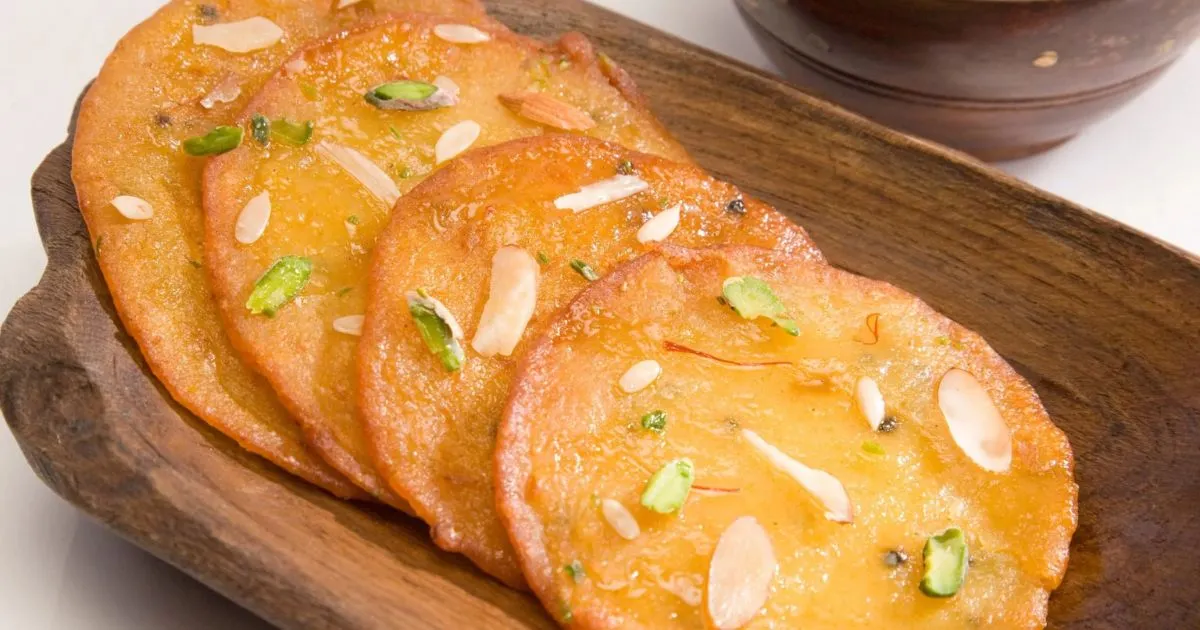
Tucked away in the Kinnaur district of Himachal Pradesh, the Sangla Valley (or Baspa Valley) is not just a visual masterpiece of apple orchards and jagged peaks—it is a culinary time capsule.
The food here is a direct response to the landscape: hearty, warming, and deeply resourceful. Influenced by both indigenous Kinnauri traditions and neighboring Tibetan culture, the local cuisine is a masterclass in using high-altitude grains like buckwheat and barley to create soul-satisfying meals.
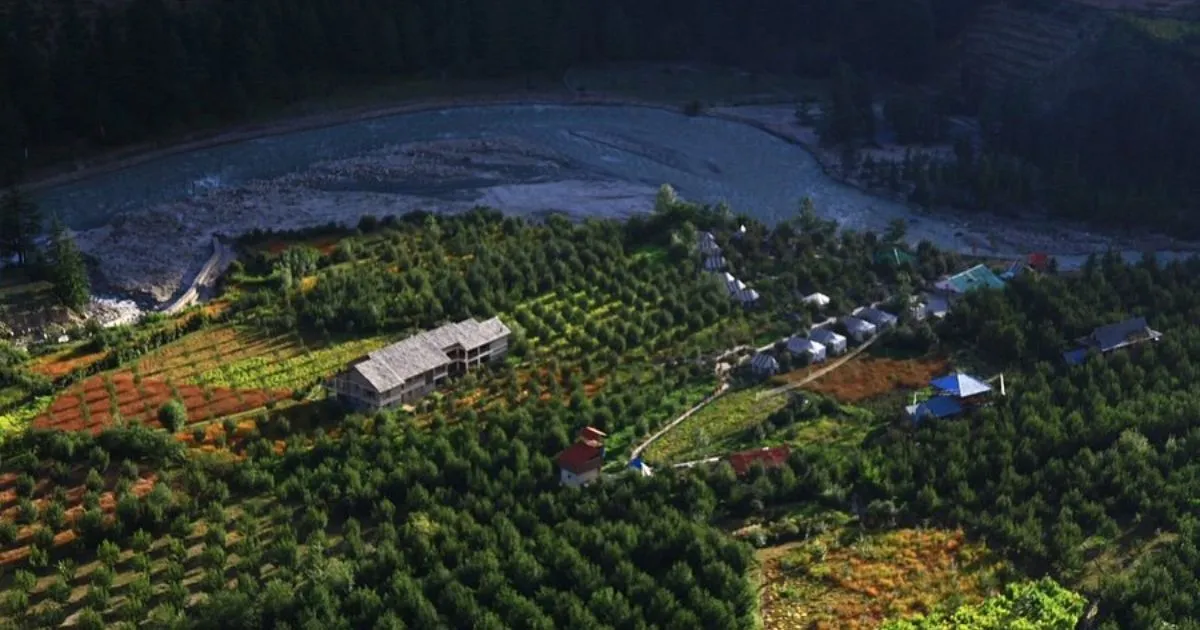
Where to Stay in Sangla Valley: Best Hotels & Camps Guide
Discover the best stays in Sangla Valley—from riverside camps in Batseri to cozy homestays and scenic retreats surrounded by the Himalayas.
Explore Stays →The Foundations: Buckwheat, Barley, and Ghee
In a region where the winters are long and the air is thin, nutrition is about endurance.
- Ogla and Phafra (Buckwheat): These are the two primary types of buckwheat grown in the valley. They are used to make Chilta, a fermented savory pancake that serves as a staple breakfast.
- Sidu: This is perhaps the most iconic Himachali dish. In Sangla, it is a steamed, fermented wheat bread traditionally stuffed with a rich paste of walnuts, poppy seeds, or even local apricot kernels. It is always served drenched in melted desi ghee.
- Aktori: A festive treat, this is a dense cake or pancake made from buckwheat leaves and flour, often enjoyed during local celebrations like the Birshu festival.
From the Earth: Rajma and Root Vegetables
The fertile soil of the Baspa Valley produces ingredients with concentrated flavors:
- Kinnauri Rajma: Unlike the larger beans found in the plains, the local rajma is small, deep red, and remarkably creamy. It is typically slow-cooked with ginger and garlic, resulting in a sweetness that comes only from mountain-grown legumes.
- Bhey (Lotus Stem): A unique addition to the table, lotus stems are thinly sliced and sautéed with gram flour and aromatic spices, providing a satisfying crunch.
- Tudkiya Bhath: A spicy, one-pot rice dish cooked with lentils, potatoes, and a splash of mountain yogurt, often finished with a squeeze of fresh lime.
The Tibetan Connection
The proximity to the border has woven Tibetan flavors into the very fabric of Sangla’s food stalls:
- Thukpa & Momos: In villages like Chitkul, the “last village of India,” a steaming bowl of Thukpa (noodle soup) is the ultimate antidote to the evening chill.
- Butter Tea (Cha-Tukh): This isn’t your average tea. Made with yak butter and salt, it is an acquired taste for many but serves as an essential energy booster for the locals.
The Sweetness of the Valley
No discussion of Sangla is complete without its world-famous apples. Beyond eating them fresh off the tree in September, the locals use them to create:
- Apple Chutney: A spicy-sweet condiment that accompanies almost every meal.
- Chuli (Wild Apricot) Oil: Extracted from apricot kernels, this fragrant oil is used both in cooking and as a traditional remedy for the skin.
Dining Tips for the Traveler
If you find yourself in Sangla, skip the multi-cuisine hotel menus and head to a local home-stay or a small dhaba in Batseri. Look for the “Hindustan Ka Akhri Dhaba“ in Chitkul for a plate of Rajma Chawal with a view of the Tibetan border.
The food of Sangla isn’t just about survival; it’s a celebration of the mountains’ bounty, served with the kind of hospitality that makes the high-altitude cold feel a little more like home.