Top 5 Must-Visit Landmarks in Sangla Valley
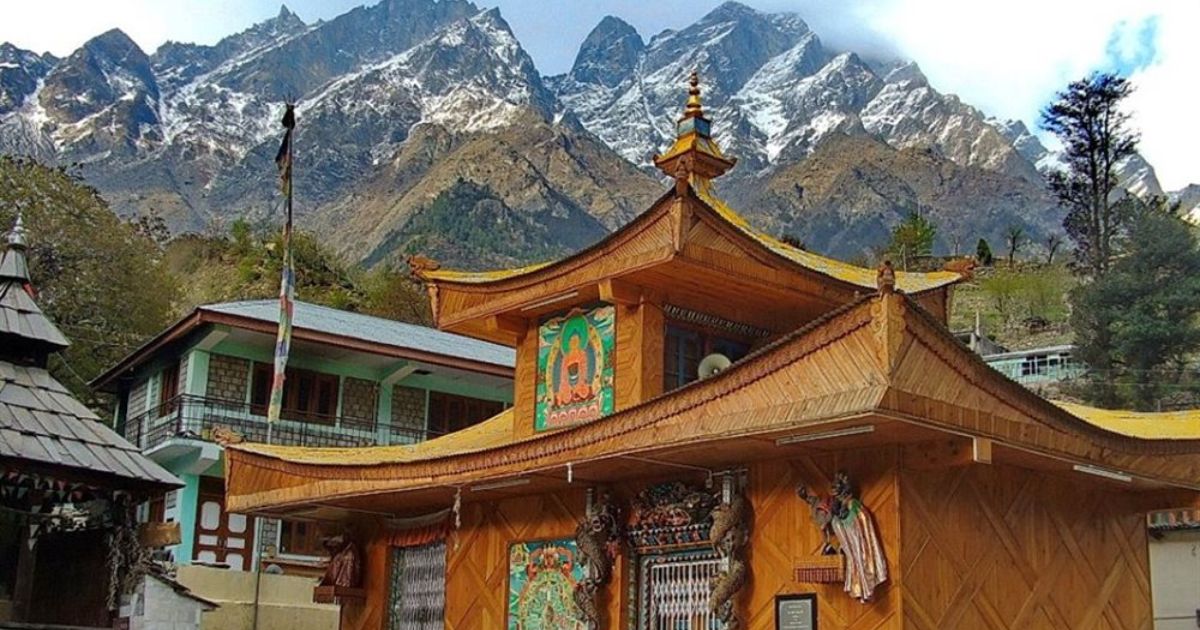
While Sangla (Baspa Valley) is famous for its panoramic views, its true character is hidden in its ancient forts, spiritual centers, and the quiet hamlets that sit between the river and the sky. If you are exploring the valley, these are the mechanical necessities for a complete itinerary.
1. Kamru Fort: The Sentinel of the Valley
Perched roughly 2 km above Sangla town, the Kamru Fort is a staggering vertical structure that served as the original seat of the Bushahr Dynasty.
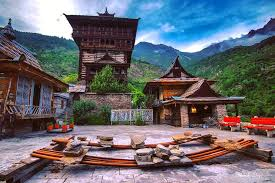
- The Architecture: Built as a towering tower-style fortress of stone and wood, it looks more like a medieval skyscraper than a standard fort.
- The Ritual: At the entrance, you are welcomed by a statue of Lord Buddha. To enter the main fort complex, visitors must wear a traditional Kinnauri cap and a saffron sash (usually provided at the gate).
- The Deity: The third floor houses the idol of Kamkhya Devi, which was reportedly brought from Guwahati, Assam, centuries ago.
2. Bering Nag Temple: The Spiritual Heart
Located right in the center of Sangla village, this temple is dedicated to the serpent god, Lord Jagas.
- Why it’s unique: The temple is a masterpiece of wood carving. Every inch of the wooden pillars and rafters is intricately detailed with traditional motifs.
- The Festival: If you visit during late August or September, you might catch the Fulaich Festival (Festival of Flowers), where the temple becomes the epicenter of local celebrations, music, and dance.
3. Rakchham: The Scenic Middle Ground
Often overlooked as travelers rush toward Chitkul, Rakchham is perhaps the most picturesque village in the valley.
- The Landscape: It sits in a wider part of the valley where the Baspa River slows down. The meadows here are emerald green in summer and turn a fiery orange in autumn.
- The Experience: It is the perfect place for “slow travel.” You can walk through saffron farms, watch locals weave Kinnauri shawls, or hike the moderate Rakchham-Chitkul trail, which follows the river through pine and birch forests.
4. Mathi Devi Temple (Chitkul)
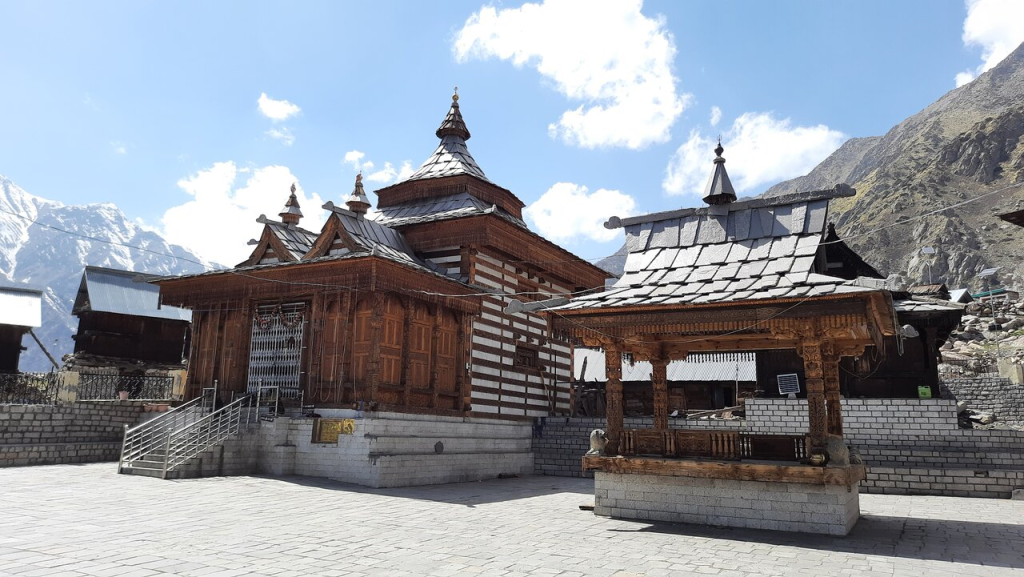
In the heart of Chitkul, the last village on the border, lies the Mathi Devi Temple.
- A 500-Year Legacy: The temple is built in the classic “Kath Kuni” style, utilizing interlocking wood and stone without the use of cement or nails.
- The Legend: It is believed that the goddess Mathi traveled from Vrindavan to Chitkul and decided to stay to protect the village. The local reverence for her is so deep that the entire village social structure revolves around the temple’s traditions.
5. Sangla Meadows (Full Day Hike)
If you want to see the Kinner Kailash range in all its glory, you have to leave the village floors.
- The View: Also known as Sangla Kanda, these high-altitude pastures offer a 360-degree view of the surrounding glaciers and peaks.
- The Lifestyle: During the summer months, you’ll find shepherds grazing their flocks here. It’s a steep hike, but the reward is a landscape that feels like a natural amphitheater at the top of the world.
Quick Travel Summary for 2026
| Site | Best For | Time Required |
| Kamru Fort | History & Architecture | 2 Hours |
| Bering Nag | Spirituality & Art | 1 Hour |
| Rakchham | Nature Walks & Saffron | Half Day |
| Mathi Devi | Ancient Traditions | 1 Hour |
| Sangla Meadows | Photography & Hiking | Full Day |
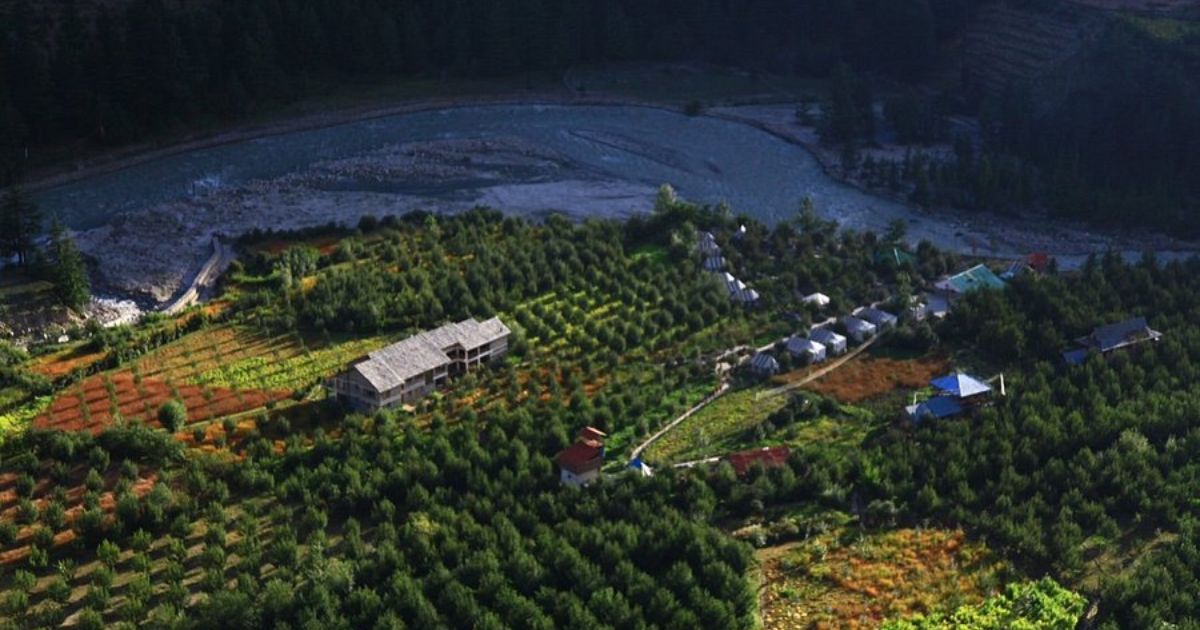
Where to Stay in Sangla Valley: Best Hotels & Camps Guide
Discover the best stays in Sangla Valley—from riverside camps in Batseri to cozy homestays and scenic retreats surrounded by the Himalayas.
Explore Stays →