The 330-Million-Year-Old Identity Crisis
For decades, a prized fossil was celebrated in the scientific community as the “world’s oldest octopus.” It was a cornerstone of cephalopod history—until this month. On April 7, 2026, advanced CT imaging results revealed a detail that had been missed for generations: the creature had hidden teeth.
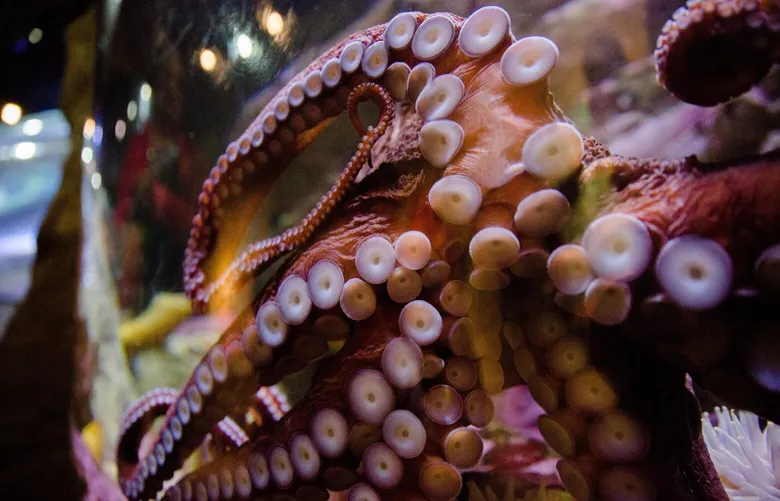
True octopuses are famous for being soft-bodied hunters with beaks, but they don’t have the specific dental structure found in this specimen. The new data proves the fossil is actually a relative of the nautilus, a shelled cousin of the octopus. This discovery effectively wipes the “oldest octopus” title off the books and leaves paleontologists scrambling to find the next legitimate claimant to the throne. It’s a humbling reminder that even after 300 million years, the Earth still has a few secrets—and a bit of a sense of humor—hidden in its rock layers.