The “Hubble Tension” Crisis: Astronomers Confirm the Universe is Expanding Too Fast
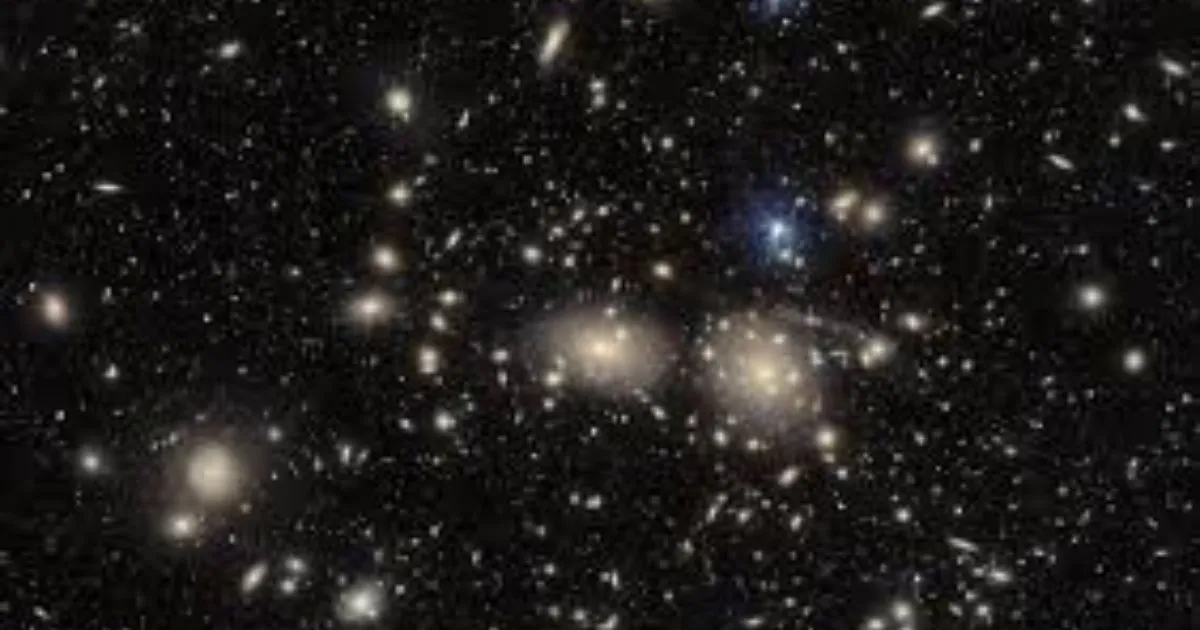
While much of the world is focused on the immediate future—new consoles and peace talks—astronomers are looking billions of years into the past and finding a massive problem. On April 12, 2026, an international collaboration of scientists released an ultra-precise measurement of the Universe’s expansion rate, and the results are unsettling: the Hubble Tension is officially “unignorable.”
What is the Hubble Tension?
The Hubble Tension is a fundamental disagreement in physics. There are two primary ways to measure how fast the Universe is growing (a value known as the Hubble Constant):
- The Early Universe Method: Predicting the expansion by looking at the Cosmic Microwave Background (light from shortly after the Big Bang).
- The Nearby Universe Method: Measuring the distance to “standard candles” like pulsating stars (Cepheids) and supernovae in our local cosmic neighborhood.
For years, the two numbers haven’t matched. Today’s report, utilizing data from the NOIRLab telescopes, has ruled out simple measurement errors. The nearby Universe is expanding significantly faster than early-Universe models say it should be.
Why This “New Physics” Matters
This isn’t just a math error; it suggests our current understanding of the cosmos is incomplete. If the models are wrong, it could mean:
- Dark Energy is Changing: Dark energy—the mysterious force pushing the Universe apart—might be getting stronger over time.
- New Subatomic Particles: There could be “dark radiation” or unknown particles in the early Universe that we haven’t discovered yet.
- Gravity is Different: Einstein’s Theory of General Relativity might need a “patch” or a total overhaul to explain how gravity works across vast cosmic distances.
The Global Scientific Reaction
“The tension now looks more real than ever,” stated John Blakeslee of NSF NOIRLab. The persistent gap between these two measurements is forcing physicists to consider “New Physics” that doesn’t fit into the Standard Model. Across the globe, research teams are pivoting their 2026 budgets toward investigating dark matter interactions and the nature of space-time itself.
Summary: A Turning Point for Science
The Verdict: The Hubble Tension has moved from a “curious discrepancy” to a “cosmological crisis.” In 2026, we are standing on the brink of a new era of physics where the rules we’ve relied on for a century may no longer apply to the whole picture.
Next Up: The Satellite Internet War Heats Up