SHOCKING: Your Garden Birds and Bees Are Actually “Day-Drinking” (And They’re Better At It Than You!)
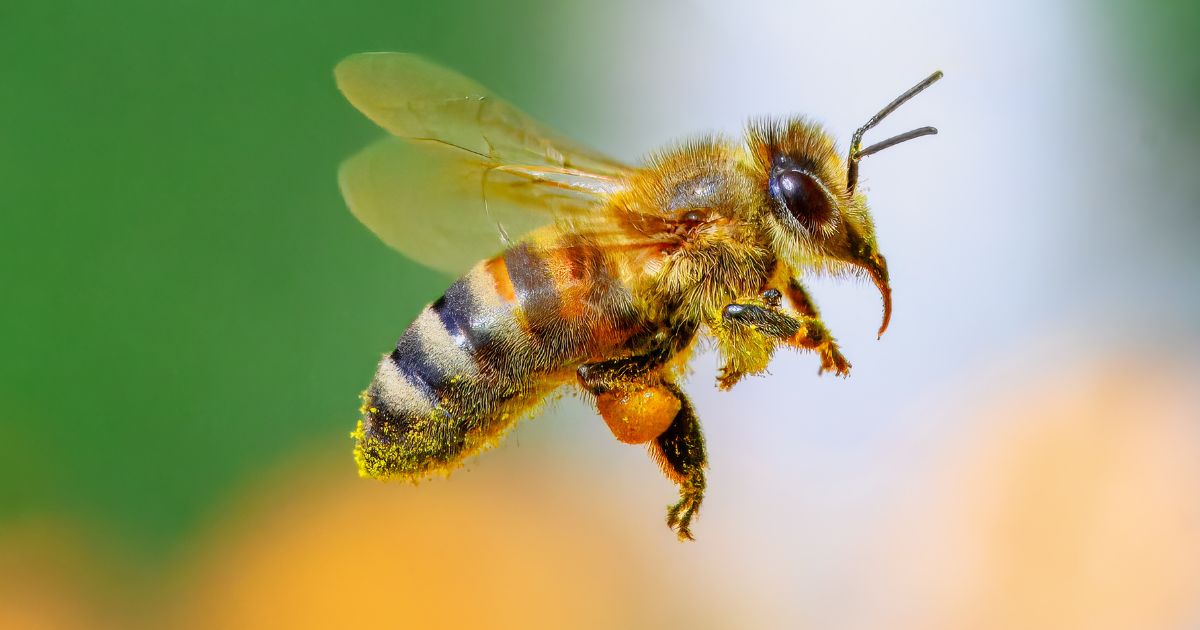
Forget everything you know about the “busy bee.” Recent groundbreaking research from the University of California, Berkeley (published March 25, 2026) has revealed that our planet’s most diligent pollinators—bees and hummingbirds—are essentially day-drinking. As it turns out, the “nectar” we assume is just pure sugar water is actually a natural cocktail.
The Floral Distillery
The process starts with yeast. These microscopic fungi settle into the sugary nectar of flowers and begin fermenting the sugars into ethanol (alcohol). In a study of 29 different plant species, researchers found alcohol in 26 of them.
- The Dosage: While the concentrations are low (usually under 1% alcohol), hummingbirds consume between 50% and 150% of their body weight in nectar every day.
- The Human Comparison: For an Anna’s hummingbird, this daily intake is the metabolic equivalent of a human drinking a full-sized beer or a glass of wine every single day.
The “Molecular Shredder”
The most bizarre part of this discovery is that despite their tiny size, these animals don’t show the typical signs of intoxication. You won’t see a hummingbird flying in “S-curves” or a bee forgetting the directions back to the hive.
- Metabolic Furnaces: Hummingbirds have the highest metabolic rate of any vertebrate. Their bodies act like tiny, high-heat furnaces that “burn” through fuel almost instantly.
- Rapid Processing: Scientists identified what they call a “molecular shredder”—a hyper-efficient suite of enzymes and detoxification pathways that metabolize ethanol before it can ever accumulate in the bloodstream. They are essentially processing the alcohol as a high-energy fuel source rather than a toxin.
The “Zero-Proof” Limit
However, even nature’s most seasoned drinkers have their limits. The Berkeley study found that while hummingbirds are happy to sip on 1% alcohol mixtures, they become visibly hesitant if the concentration hits 2%.
“They are somehow metering their intake,” says Professor Robert Dudley. “They know when the ‘proof’ is too high for a safe flight.”
This research suggests that alcohol isn’t just a byproduct of decay, but a consistent part of the evolutionary diet for millions of years. It seems that for hummingbirds and bees, life isn’t just about the flowers—it’s about finding the perfect, tiny, naturally fermented “buzz” to keep the engine running.


)