
Apoorva Mukhija Didn’t Play Safe—And That’s Why She Stole The Traitors

In the high-stakes, emotionally charged arena of The Traitors, a reality show that thrives on deception, strategy, and psychological warfare, one contestant emerged as a polarizing yet undeniable force: Apoorva Mukhija, better known as The Rebel Kid. At just 23 years old, Apoorva captivated audiences with her unapologetic authenticity, sharp intellect, and bold gameplay, making her a standout presence until the very end of the Indian adaptation of the BAFTA and Emmy Award-winning series. Despite her compelling performance, Apoorva has faced relentless criticism, much of it unfairly centered on her language and demeanor, conveniently ignoring her youth, resilience, and strategic brilliance.
A Standout from the Start
From the moment The Traitors premiered on June 12, 2025, on Amazon Prime Video, Apoorva Mukhija distinguished herself among a star-studded cast of 20 celebrities, including veterans like Ashish Vidyarthi and controversial figures like Uorfi Javed. Hosted by Karan Johar, the show placed contestants in Rajasthan’s Suryagarh Palace, tasking “innocents” with identifying secret “traitors” through intense physical and psychological challenges. Apoorva, a relatively lesser-known social media influencer compared to her peers, quickly proved she was no underdog. Her strategic gameplay, emotional transparency, and willingness to embrace conflict set her apart in a game designed to test wit, trust, and cunning. Apoorva’s impact was immediate.
In the first episode, she played a pivotal role in eliminating Raj Kundra, identified as a traitor, showcasing her ability to read the game and influence group dynamics. Her sharp instincts and fearless approach to confrontations—most notably her publicized feud with Uorfi Javed—kept her at the center of the show’s narrative. While some contestants faded into the background, Apoorva’s presence was magnetic, whether she was strategizing, clashing with peers, or delivering candid confessions in the video diary room. Her ability to survive until the final episodes, despite being a target of both in-game and online backlash, underscores her resilience and strategic prowess.
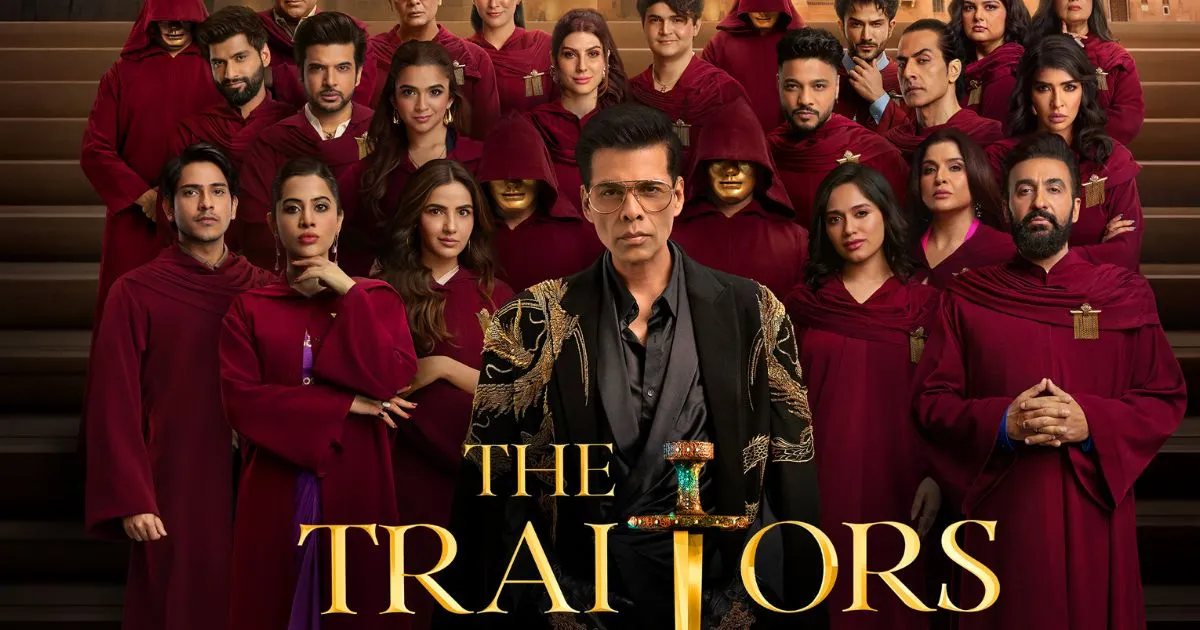
What made Apoorva a standout was not just her gameplay but her authenticity. In a show built on lies and betrayal, she remained unapologetically herself, embracing her “Rebel Kid” persona with a mix of vulnerability and defiance. Her emotional breakdown over missing her family, as recounted in her YouTube vlog, humanized her in a way that contrasted with the polished facades of other contestants. She admitted to lying in interviews to secure her spot on the show, a move that, while controversial, demonstrated her understanding of the entertainment industry’s cutthroat nature. This blend of raw honesty and calculated risk-taking made her a compelling figure, one who refused to conform to the expectations of a scripted reality TV archetype.
The Unfair Target of Criticism
Despite her standout performance, Apoorva has been unfairly targeted for her language and demeanor, with critics conveniently overlooking her youth and the context of her actions. At 23, she is significantly younger than many of her co-contestants, yet she is held to the same standards of decorum as seasoned actors and public figures. This double standard is evident in the backlash over her casual remark, “Ashish jaayega,” which actor Sudhanshu Pandey called out as disrespectful during an Instagram Live session. Pandey’s criticism, echoed by others, framed Apoorva’s tone as emblematic of a “Gen Z” disregard for elders, ignoring the high-pressure environment of The Traitors, where bluntness and strategy often collide.
Apoorva’s language, often labeled as “abusive” or “inappropriate,” is a product of her digital-native persona, shaped by the unfiltered world of social media where she built her career. Her involvement in the India’s Got Latent controversy, where she faced FIRs for using obscene language, further fueled this narrative. Yet, this criticism fails to acknowledge the cultural context of her generation, where expressive, sometimes provocative language is a form of authenticity, not malice.
To reduce Apoorva’s contributions to her choice of words is to dismiss her intellect and strategic acumen, which were evident throughout the show. Her ability to navigate alliances, confront adversaries like Uorfi Javed, and maintain her position until the end speaks to a level of smartness that transcends linguistic propriety.