Why Is the World Suddenly Hating India? The Alarming Rise of Anti-Indian Sentiment
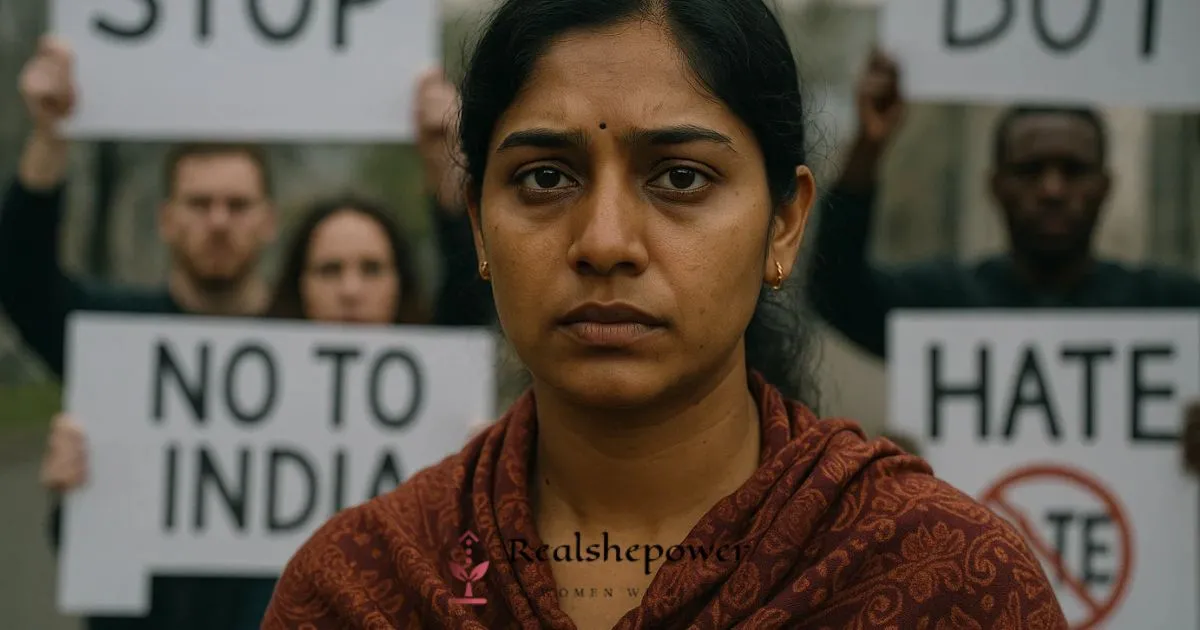
In recent years, a troubling surge in anti-Indian sentiment has emerged, manifesting both on social media platforms and in real-world incidents across the globe. From derogatory slurs and mocking memes to physical attacks and discriminatory policies, Indians and people of Indian origin are increasingly targeted with hostility. This phenomenon raises critical questions: Is this wave of hatred an organic reaction to cultural or economic tensions, or is it a deliberate, orchestrated campaign to undermine India and its citizens? Emerging evidence suggests that while organic factors like xenophobia and economic anxieties contribute, there is also a calculated effort—potentially amplified by actors in China and Pakistan—to dehumanize Indians and tarnish India’s global image.
Table of Contents
The Scope of Anti-Indian Sentiment
Anti-Indian sentiment, often termed Indophobia, encompasses prejudice, hatred, or discrimination directed at Indian people, their culture, or their nation. This hostility manifests in various forms: online, it appears as slurs like “Pajeet,” mocking stereotypes about Indian hygiene, food, or population size; offline, it surfaces in hate crimes, such as the 143% increase in attacks against South Asians in Canada between 2019 and 2022 or the 2007 mob attack on eight Indians in Mügeln, Germany.
Social media platforms like X, Instagram, and YouTube have become breeding grounds for such rhetoric, with posts violating platforms’ own hateful conduct policies often going unchecked. For instance, a 2025 report by the Center for the Study of Organized Hate documented 128 X posts targeting Indians, garnering 138.54 million views, many of which incited fear or used dehumanizing language.
The triggers for this hostility are diverse. In Western countries, particularly the United States and Canada, anti-Indian sentiment has been fueled by economic anxieties, with narratives like the “Great Replacement” conspiracy theory falsely claiming that Indian immigrants are displacing white workers. The appointment of Indian-origin technologist Sriram Krishnan as an adviser in the Trump administration and Vivek Ramaswamy’s comments on American “mediocrity” sparked a firestorm of racist posts on X, with far-right influencer Laura Loomer amplifying anti-Indian rhetoric by opposing H-1B visa reforms. In Canada, Indian international students face discriminatory comments online and rising offline racism, prompting India’s foreign ministry to issue a travel advisory in 2023.
Globally, anti-Indian sentiment often intertwines with anti-Hindu narratives, particularly in countries with historical tensions. In Pakistan, Hindus face digital hate and legal repression, with social media campaigns labeling Hindu activists as anti-Islamic or blasphemous, sometimes inciting real-world violence, like the 2021 attack on the Ganesh Temple in Rahim Yar Khan. In Bangladesh, political leaders have historically stoked anti-Hindu and anti-Indian sentiment to appeal to religious extremists, accusing Hindus of dual loyalty to India. These incidents highlight a broader pattern where India’s cultural and religious identity is weaponized to justify exclusion and violence.
Organic or Orchestrated?
The Roots of Hate The rise in anti-Indian sentiment can be partially attributed to organic factors rooted in socioeconomic and cultural dynamics. In Western nations, the visibility of Indian immigrants—particularly in high-profile roles like CEOs (e.g., Sundar Pichai, Satya Nadella) or political figures (e.g., Rishi Sunak)—has fueled resentment among certain groups. This resentment often stems from xenophobia and classism, with stereotypes about Indian poverty or hygiene amplified by viral social media content, such as videos of street food vendors that misrepresent India’s diversity as backwardness. Economic competition, particularly in STEM fields, exacerbates tensions, as some Americans perceive Indian H-1B visa holders as “stealing jobs” despite a lack of local talent in these sectors.
The “model minority” myth further complicates the narrative. Indian Americans, often praised for their academic and professional success, face a backlash when their achievements are framed as unfair or caste-driven by both white nationalists and progressive critics. This perception is compounded by internal divisions within the Indian diaspora, where casteism or conservative values alienate some Indian Americans from broader social justice coalitions, making them vulnerable to scapegoating.
However, there is compelling evidence suggesting that this wave of hate is not entirely organic but amplified by coordinated campaigns, particularly from actors in China and Pakistan. Posts on X by user @aravind, spanning January to June 2025, repeatedly assert that Chinese and Pakistani “fake account farms” are orchestrating anti-Indian narratives to sow division and tarnish India’s image. These claims align with reports of state-sponsored disinformation.
For instance, a 2005 report by Pakistan’s National Commission for Justice and Peace revealed that Pakistan Studies textbooks promote anti-Hindu and anti-Indian narratives, portraying Hindus as “backward and superstitious” to foster a siege mentality. Similarly, a Reddit user on r/China noted a surge in derogatory posts about India on Chinese platforms like Xiaohongshu, suggesting a deliberate effort to highlight India’s perceived shortcomings in contrast to China’s advancements.
China’s role is particularly notable given its geopolitical rivalry with India. As India emerges as a global power—evident in its economic growth, space achievements, and strategic partnerships like the Quad—China may perceive it as a long-term threat. Posts on X claim that China began dehumanizing Indians as early as the 2010s, using stereotypes like “toilet” or “dirty” to undermine India’s global reputation. This aligns with historical patterns of disinformation, such as Pakistan’s alleged planting of fake U.S. diplomatic cables in 2010 to portray India negatively. The use of AI-generated caricatures and misinformation, which lack guardrails against targeting Indians, further amplifies these narratives.
Why Target India? Geopolitical and Cultural Motives
The motives behind a potential orchestrated campaign against India are multifaceted, rooted in geopolitical strategy and cultural insecurities. For China, India represents a rising competitor in Asia. India’s population surpassing China’s in 2023, its growing technological prowess, and its alignment with Western powers through initiatives like the Quad threaten China’s regional dominance. By fostering anti-Indian sentiment, China could aim to weaken India’s soft power, discourage foreign investment, and isolate it diplomatically. Social media campaigns that exaggerate India’s challenges—poverty, hygiene, or overpopulation—serve to diminish its appeal as a global partner.
Pakistan’s motivations are tied to its historical rivalry with India, particularly over Kashmir and the legacy of Partition. The Pakistani military has been accused of driving anti-India propaganda, as seen in the 2010 fake cable leaks. Textbooks and media narratives that vilify Hindus and India reinforce a national identity defined in opposition to India, justifying military dominance and rallying domestic support. Social media amplifies this, with Pakistani accounts spreading derogatory content about Indian culture and Hindu practices, often under the guise of religious or national pride.
The dehumanization of Indians serves a broader purpose: to erode India’s global credibility and unity. By portraying Indians as “dirty” or “backward,” these campaigns aim to undermine India’s narrative of progress and diversity. This is particularly effective in Western contexts, where stereotypes can fuel immigration debates, and in Muslim-majority countries, where anti-Hindu sentiment can be leveraged to stoke religious tensions. The lack of robust content moderation on platforms like X and Meta allows such narratives to spread unchecked, with 125 of 128 hateful posts in a 2025 study remaining active despite violating platform policies.
The Real-World Impact and Response
The consequences of this hate are profound. Online vitriol translates into real-world violence, as seen in the 2021 Ganesh Temple attack in Pakistan or the rise in hate crimes against South Asians in Canada. Indian international students and professionals face psychological distress, with many resorting to digital detoxes or pseudonyms to avoid harassment. In the U.S., Indian Americans are organizing through groups like Indiaspora and the South Asian Bar Association to combat hate crimes and advocate for policy changes, such as recognizing Hinduphobia at state levels.
India’s government has also taken steps, such as revoking Overseas Citizen visas for diaspora critics and proposing visa bans for foreign nationals spreading violent hate. However, these measures risk escalating tensions without addressing the root causes. A more effective response would involve international cooperation to regulate disinformation, stronger platform moderation, and public education to counter stereotypes. Indian Americans must also bridge internal divides—addressing casteism and conservative values—to build broader coalitions against racism.
Conclusion: A Call for Vigilance and Unity
The rising hate against Indians is a complex interplay of organic prejudices and orchestrated campaigns. While economic anxieties and cultural stereotypes fuel grassroots hostility, there is substantial evidence—albeit inconclusive—that China and Pakistan amplify these narratives to undermine India’s global rise. This dual dynamic threatens not only the safety of Indians and their diaspora but also India’s aspirations as a global leader. Countering this requires a multifaceted approach: robust digital regulation, diplomatic efforts to expose disinformation, and internal unity to resist divisive rhetoric.
As India navigates its path to superpower status, it must confront this hate with resilience, leveraging its diversity and hard-earned progress to reclaim its narrative on the global stage. Only through collective action can India and its people rise above the vitriol and affirm their rightful place in a connected world.