The Dawn of a New Bengal: BJP’s Historic Triumph and the Triumph of Resilience Over Terror
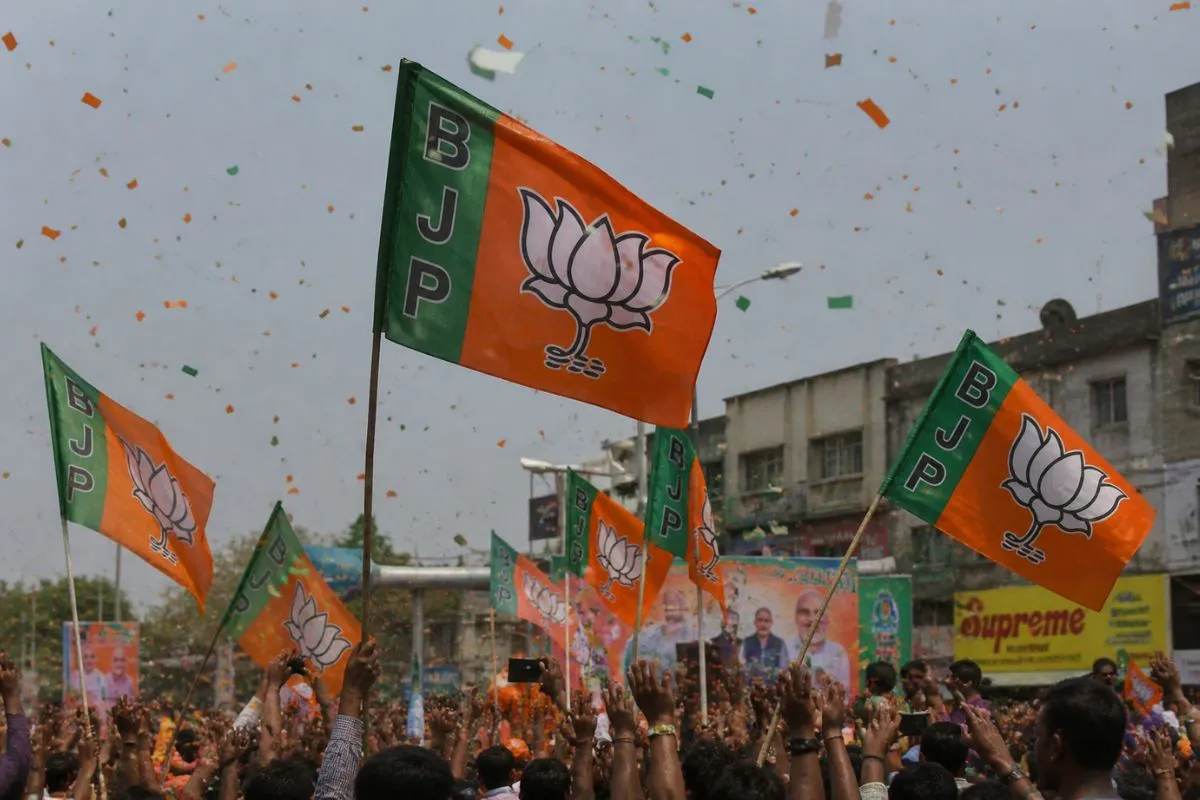
In a seismic shift that has rewritten the political map of India, the Bharatiya Janata Party (BJP) has secured a landslide victory in the 2026 West Bengal Assembly elections, surging past the 200-seat mark and ending the 15-year stranglehold of the Trinamool Congress (TMC). What makes this win not merely electoral but profoundly historic and why it matters more than almost any other recent political development—is the context in which it occurred: years of relentless persecution, ruthless killings of BJP karyakartas (workers), systematic intimidation, and horrific acts of molestation and rape targeting women associated with the opposition. This is not just a change of guard; it is the vindication of a people’s endurance against a regime of fear.
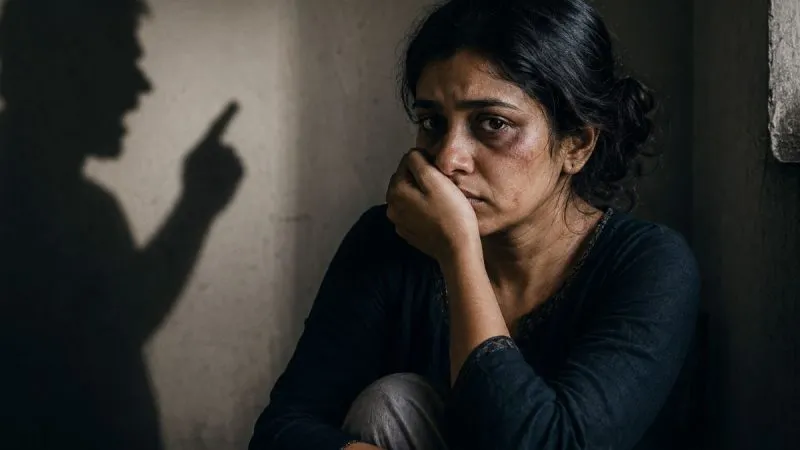
West Bengal, once the cradle of India’s intellectual and cultural renaissance, had descended into a textbook case of one-party dominance laced with violence. Mamata Banerjee’s TMC had transformed the state into a fiefdom where dissent was punished not through debate but through brute force. The 2021 post-poll violence remains etched in collective memory as a dark chapter: reports documented dozens of murders, widespread arson, and targeted sexual violence against BJP supporters and their families. BJP workers were hacked to death in broad daylight, homes were razed, and women faced unspeakable atrocities—molestation, gang-rapes, and threats that extended even to the families of candidates. These were not isolated incidents but a pattern designed to break the spine of opposition.
Yet, in the face of such terror, ordinary karyakartas—many of them from humble backgrounds, driven by ideology rather than power—refused to bow. They continued booth-level work, door-to-door campaigns, and grassroots mobilization under constant threat. Their sacrifice has now borne fruit in this emphatic mandate. The BJP’s victory, led ably by figures like Suvendu Adhikari, represents the ultimate rebuke to the politics of vendetta. When a party that endured targeted killings and sexual violence against its cadre wins over 200 seats, it signals something deeper than anti-incumbency: a moral and democratic resurgence.
The Anatomy of the Mandate
This is no ordinary win. From a mere 3 seats in 2016 to 77 in 2021, and now a commanding majority exceeding 200 in 2026, the BJP’s growth traces a remarkable arc of perseverance. Early trends and final tallies show the party breaching TMC strongholds, including Muslim-dominated areas, and humbling even high-profile TMC leaders. Mamata Banerjee’s own fortunes reflect the wave—her dominance shattered.
Voters rejected the TMC’s cocktail of appeasement politics, corruption scandals, industrial flight, and governance failure. Sandeshkhali became a national symbol of TMC’s excesses—where allegations of land grab, sexual exploitation by party strongmen, and administrative complicity galvanized public outrage. The state’s once-vibrant economy had stagnated; teachers’ recruitment scams, syndicate raj, and lawlessness eroded trust. Amid this, the BJP offered a vision of Asol Paribartan (real change): development, security, cultural pride, and integration with national progress under the NDA framework.
The win’s historic nature lies in its geography and demography. West Bengal, with its complex social fabric, linguistic pride, and history of Left-TMC continuum, was long considered impenetrable for the BJP. Breaking that barrier after years of being painted as “outsiders” demonstrates the power of sustained narrative-building, organizational strength, and delivery on promises like welfare schemes that reached beneficiaries directly, bypassing middlemen.
Why This Matters the Most
This victory resonates far beyond Kolkata or Delhi for several reasons:
1. Justice for the Martyrs:
Every BJP worker killed, every woman assaulted, every family displaced carried the hope that their suffering would seed change. This mandate honors them. It sends an unequivocal message: violence cannot extinguish democracy. The blood of karyakartas has irrigated the soil for a new Bengal. Impunity that characterized TMC rule must now yield to accountability. Investigations into past atrocities, fair justice delivery, and rehabilitation of victims are moral imperatives for the incoming government.
2. Restoration of Democratic Norms:
Under TMC, West Bengal exemplified “electoral autocracy” wins secured through muscle, money, and manipulation, followed by suppression. Institutions were politicized; police often acted as enforcers. A BJP government, aligned with constitutional values and national institutions, promises cleaner administration, empowered local governance, and an end to the culture of fear. Free and fair elections, already bolstered by central oversight, can now translate into everyday governance.
3. Economic and Cultural Revival:
Bengal, home to Tagore and Vivekananda, deserves better than decline. Decades of Left rule followed by TMC populism drove away industries, talent, and investment. The BJP’s emphasis on infrastructure, ease of doing business, skill development, and cultural heritage (without erasing Bengal’s syncretic ethos) offers a path to reclaiming its glory. From Sundarbans to Darjeeling, from industrial hubs to agrarian heartlands, targeted development can bridge divides.
4. National Implications:
West Bengal is pivotal—strategically located, demographically significant, and culturally influential. A BJP-led Bengal strengthens India’s federal unity, counters divisive regionalism, and integrates the state into the narrative of Viksit Bharat. It also signals to other opposition-ruled states that sustained performance and resilience can overcome incumbency backed by coercion. For national politics, it bolsters the NDA’s momentum heading into future cycles.
5. The Triumph of Women’s Agency and Social Justice:
The atrocities against women were among the most heinous. Sandeshkhali and similar episodes highlighted how power was abused along gender and caste lines. This verdict empowers women who voted against their tormentors. A new government must prioritize women’s safety, education, and economic independence—building on schemes like Lakshmir Bhandar but with transparency and without political patronage.
Challenges Ahead: No Time for Complacency
A historic win brings historic responsibilities. The new dispensation must heal wounds, not deepen them. Reconciliation with those who erred but seek redemption, swift delivery on development promises, and zero tolerance for any retaliatory violence are essential. Bureaucratic overhaul, police reforms, and tackling unemployment and migration require urgent focus. Cultural sensitivities matter in Bengal; inclusive governance that respects diversity while asserting national integrity will sustain this mandate.
The TMC’s rout should serve as a cautionary tale for all parties: power without accountability breeds decay. For BJP, the test lies in governance that matches the sacrifice of its workers.This victory is personal for millions who lived in fear—families of slain karyakartas, women who faced horror, young aspirants denied futures. It is proof that truth and tenacity outlast tyranny. As Bengal awakens to a new dawn, let it be defined not by revenge but by renaissance: safe streets, thriving industries, empowered citizens, and a state that once again leads India in thought, action, and harmony.
The ruthless killings and violations were not in vain. They forged a resolve that has delivered this epochal change. Jai Hind. Jai Bengal. The people have spoken—decisively, courageously, and irreversibly.