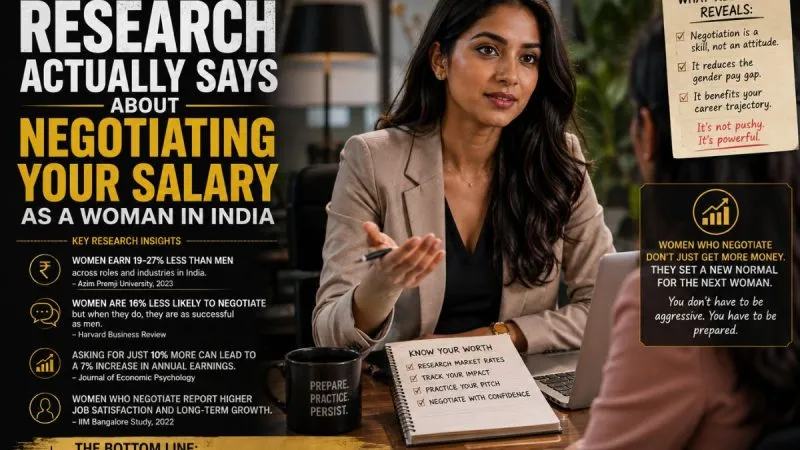
The Power of Professional Image: Why It Matters and How to Build It
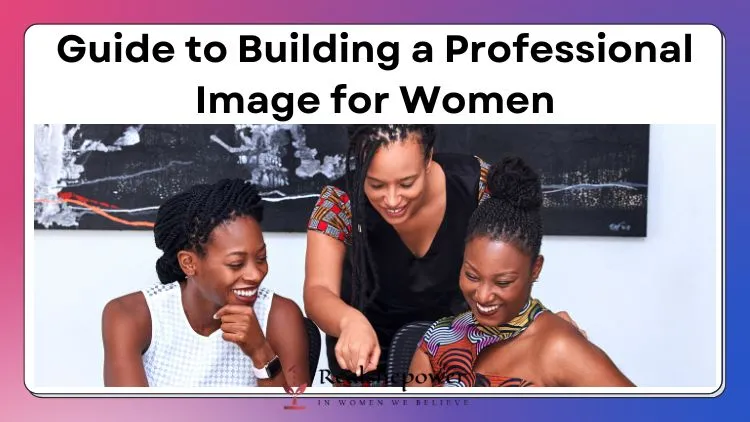
Ladies, have you ever walked into a room and felt like you didn’t belong? Or maybe you’ve walked into an interview and didn’t feel confident enough to nail it? It’s time to take control of your professional image and showcase the powerful, confident woman you truly are.
Building a professional image can be daunting, but it doesn’t have to be. With the right tools and mindset, you can build a powerful image that will not only benefit your career but also your personal life. Here’s why it matters and how to build it.
Table of Contents
Why a Professional Image Matters
Your professional image is the way others perceive you in the workplace. It’s the way you dress, speak, and carry yourself. It’s your reputation and how people remember you. Your professional image can open doors for you or close them. It can help you build relationships or hinder them. It can help you get that promotion or make you a less likely candidate.
First impressions are crucial, and studies have shown that people make judgments about others within the first seven seconds of meeting them. This means that you need to make sure that your image is on point from the moment you walk in the door.
How to Build a Professional Image
Now that you know why your professional image is so important, let’s dive into how to build it.
1. Dress the Part
Looking good and feeling confident can go a long way in your professional life. After all, your appearance is a big part of your professional image. But here’s the thing – you don’t have to break the bank to look like a million bucks. You just need to know how to dress for success.
First things first, you need to consider the type of job you have and the industry you’re in. Are you working in a creative field where bold and edgy styles are the norm, or are you in a more traditional industry where conservative attire is the way to go? Whatever the case may be, make sure you dress appropriately for your industry, company culture, and position.
Now, let’s talk about some tips on how to look professional without breaking the bank. First, invest in a few key pieces that can be mixed and matched to create different outfits. A classic blazer, tailored pants, and a crisp button-up shirt can go a long way. Don’t be afraid to shop at discount stores or even thrift shops to find high-quality pieces at a fraction of the cost.
Another tip is to accessorize wisely. A statement necklace or a bold scarf can instantly elevate a simple outfit. But don’t overdo it – remember that less is often more when it comes to accessories.
And finally, don’t be afraid to look to those in higher positions or ask HR for guidance on what to wear. Observing how your boss and colleagues dress can give you a good idea of what’s appropriate in your workplace. And if you’re still unsure, don’t hesitate to ask HR for some guidance – they’ll be more than happy to help.
So there you have it – some tips on how to look professional without breaking the bank. Remember, dressing for the job you want, not the job you have, can go a long way in helping you achieve your professional goals. So go ahead and rock that power outfit with confidence – you’ve got this!
2. Perfect Your Communication Skills
Effective communication is crucial to establishing a strong professional image, whether you’re networking with colleagues, pitching a new project, or collaborating with team members. And it’s not just about what you say, but also how you say it. Your communication skills can either elevate or undermine your reputation, so it’s essential to ensure that you’re communicating effectively.
When it comes to verbal communication, it’s important to speak clearly and concisely. Avoid using slang or jargon that could confuse your audience or make you appear unprofessional. Instead, use plain language that is easy to understand. Don’t ramble on or go off on tangents; stick to the point and get your message across succinctly.
And it’s not just your words that matter – your tone and body language can also have a significant impact on how others perceive you. Make sure you’re speaking confidently and clearly, and use appropriate gestures and facial expressions to convey your message.
When it comes to written communication, grammar and spelling are critical. Sloppy writing can make you appear careless or uneducated, so always proofread your emails, reports, and other documents carefully. And avoid using inappropriate language or slang that could offend your reader.
But good communication isn’t just about talking – it’s also about listening. Active listening involves paying attention to what the other person is saying, asking questions when needed, and responding appropriately. Don’t interrupt or talk over others; instead, wait until they’ve finished speaking before responding. This shows that you respect their opinion and are genuinely interested in what they have to say.
So next time you’re communicating with others, remember to be clear, concise, and professional – your reputation depends on it!
3. Develop Your Personal Brand
Your personal brand is like a fingerprint – it’s unique to you, sets you apart from the crowd, and makes you unforgettable. It’s the magic that makes people go “wow” when they think of you, and it’s a critical part of your professional toolkit. Your brand encompasses all the things that make you special: your work ethic, your leadership skills, your expertise in a particular area, your sense of humor, your style, your quirks. It’s a reflection of your values, your passions, and your goals.
Think of it this way: when you walk into a crowded room, how do you want people to perceive you? Do you want to be the person everyone ignores, or the one everyone gravitates towards? Your personal brand is what will make you the latter. It’s what will make people want to get to know you, work with you, and recommend you to others.
But how do you create a personal brand that’s truly remarkable? First, identify what sets you apart. Maybe you have a knack for solving complex problems, or you’re an expert in a particular area. Maybe you have a unique perspective on things, or you’re a natural leader. Whatever it is, embrace it, and use it to your advantage.
Next, make sure your brand aligns with your professional goals. If you want to be known as an expert in your field, for example, make sure you’re sharing your knowledge and insights through blog posts, social media, or speaking engagements. If you want to be seen as a creative innovator, make sure you’re taking risks and pushing boundaries in your work.
Finally, be consistent. Your personal brand isn’t just what you say – it’s what you do, how you act, and how you present yourself. Make sure everything you do is aligned with your brand, from your social media posts to your email signature to your business cards.
In short, your personal brand is what makes you stand out from the crowd. It’s the magic that makes people remember you and want to work with you. So embrace what makes you unique, align your brand with your goals, and be consistent in everything you do. And watch as your personal brand becomes a force to be reckoned with!
4. Showcase Your Skills and Expertise
Are you ready to make a splash in your industry? Are you ready to show the world what you’re made of? Then it’s time to showcase your skills and expertise like never before!
First things first, make sure your LinkedIn profile is up to date and ready to shine. This is your digital storefront, your online resume, and your virtual introduction all rolled into one. Make sure it’s clear, concise, and compelling, and that it showcases your unique value proposition.
But don’t stop there. To really stand out, you need to go beyond the digital realm and participate in industry events. Whether it’s a conference, a trade show, or a local meetup, these events are a prime opportunity to network, learn, and showcase your expertise.
And speaking of expertise, don’t be afraid to flex your knowledge muscles by writing articles, blog posts, or even a book. Share your insights, tips, and tricks with the world, and position yourself as a thought leader in your industry.
But why stop at the written word? You could also speak at conferences, webinars, or even podcasts to reach an even wider audience. This is your chance to shine, to inspire, and to share your passion with the world.
And if you really want to go above and beyond, why not create your own platform? Start a YouTube channel, a podcast, or a blog, and showcase your unique skills and expertise to the world. Whether it’s cooking, coding, or cosplay, there’s an audience out there waiting to learn from you.
So what are you waiting for? Get out there, showcase your skills and expertise, and let the world know what you’re made of. With a little creativity, a lot of passion, and a willingness to try new things, the sky’s the limit.
Here are some additional questions about building a professional image:
Q: What should I wear to work to build a professional image?
A: The appropriate dress code will vary depending on your industry and company culture. Research the dress code at your workplace and in your field to determine what’s appropriate. In general, it’s better to err on the side of being slightly overdressed than underdressed.
Q: How important is having a strong online presence for building a professional image?
A: Having a strong online presence is becoming increasingly important in today’s digital age. Your online presence can help potential employers and colleagues find and learn more about you. Make sure your online presence is consistent with your professional image and personal brand.
Q: How do I network effectively to build my professional image?
A: Effective networking involves being strategic about the events and people you’re connecting with. Attend events that are relevant to your industry and goals, and seek out mentors and colleagues who can provide guidance and support. Focus on building genuine connections and adding value to others, rather than just trying to promote yourself.
Q: How can I improve my body language to project a more professional image?
A: Improving your body language involves being mindful of your posture, eye contact, and facial expressions. Stand tall, make eye contact, and smile to project a confident, approachable image. Practice in front of a mirror or ask a trusted colleague or mentor for feedback.
Q: What should I do if I receive feedback that my professional image needs improvement?
A: Receiving feedback can be tough, but it’s important to take it as an opportunity to grow and improve. Listen to the feedback and ask for specific examples or suggestions for improvement. Be open-minded and willing to make changes to improve your professional image.
Final Thoughts
Remember ladies, building a powerful professional image is all about taking control of how others perceive you in the workplace. Dress appropriately, communicate effectively, develop your personal brand, and showcase your skills and expertise. These simple tips can make all the difference in your career and personal life. So go out there and rock that professional image like the boss you are!
You cannow write forRSP Magazineand be a part of the community. Share your stories and opinions with ushere.